Visit 7 North Dental Today Or Call: 602-230-0811

Can You Get Dental Implants With Diabetes? Risks, Healing & What to Expect

If you have diabetes and are missing one or more teeth, you may wonder whether dental implants are a safe option for you.
Yes. Many people with diabetes can receive dental implants, particularly when their diabetes is appropriately managed and their oral health is stable. However, diabetes can affect healing, inflammation, gum health, and bone health, so we take these factors into account when evaluating a patient for implant treatment.
At 7 North Dental in Phoenix, we believe dental implant treatment should be planned around the individual patient. We evaluate your oral health, available jawbone, missing teeth, medical history, and treatment goals to help determine whether implants are an appropriate option for you.
* Key takeaway: Having diabetes does not automatically prevent you from getting dental implants. Your blood glucose control, periodontal health, jawbone condition, overall health, and ability to maintain your implants all matter.
Can You Get Dental Implants If You Have Diabetes?
Yes. Many patients with diabetes can successfully receive dental implants. When we evaluate you for implants, we may consider:
- Blood glucose control and recent HbA1c
- Gum and periodontal health
- Jawbone volume and condition
- Existing dental infections or inflammation
- Medical history and medications
- Smoking or tobacco use
- Oral hygiene
- Number and location of missing teeth
- Previous dental treatment
- Your ability to maintain regular dental care
Diabetes becomes a greater concern when blood glucose is poorly controlled. Elevated blood glucose can affect inflammation, immune response, circulation, and tissue repair, which may influence healing after oral surgery.
For that reason, we do not determine implant candidacy based on a diabetes diagnosis alone. Instead, we look at your overall health and individual risk factors.
Can You Get Dental Implants With Uncontrolled Diabetes?
Possibly, but poorly controlled diabetes can make elective implant treatment less predictable.
When blood glucose is not well controlled, your body may have more difficulty responding to infection and repairing tissues. These concerns are especially relevant after implant placement because the implant needs to heal within the jawbone and become stable.
If we have concerns about your diabetes management, we may recommend addressing those concerns before proceeding with elective implant surgery. Depending on your situation, this may involve discussing your health with your physician or diabetes-care provider.
This does not necessarily mean you cannot have dental implants. It may simply mean that improving your overall health first can provide a more favorable environment for healing.
What HbA1c Is Safe for Dental Implants?
There is no single HbA1c value that automatically determines whether a patient can receive dental implants.
HbA1c is a blood test commonly used to estimate average blood glucose levels over the previous two to three months. We may consider your recent HbA1c when evaluating your readiness for implant treatment.
However, we look at more than one number. Your overall medical health, gum condition, bone health, medications, smoking status, oral hygiene, and planned procedure can all influence treatment decisions.
If your diabetes is poorly controlled, we may recommend discussing your health with your medical provider before elective implant surgery.
Our goal is to create the healthiest possible conditions for healing rather than relying on an arbitrary pass-or-fail number.
How Does Diabetes Affect Dental Implant Healing?
Healing is an important part of dental implant treatment.
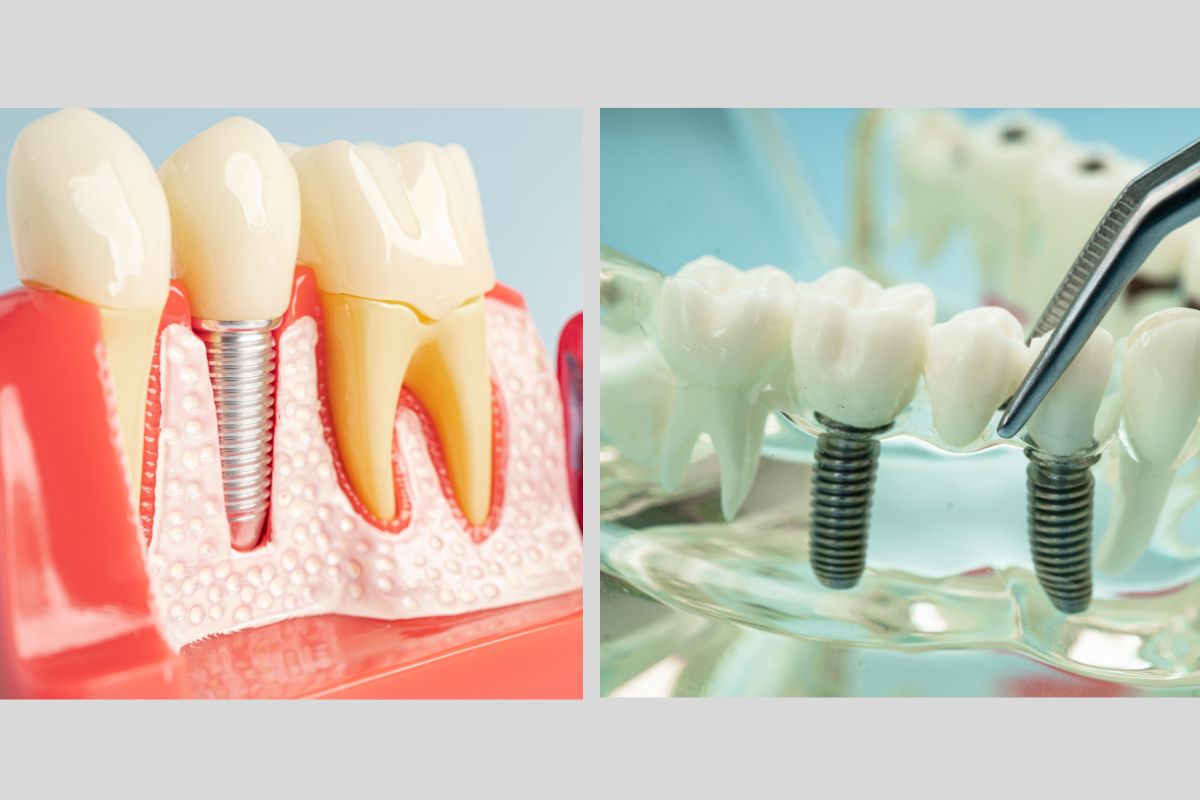
After we place an implant into the jawbone, the surrounding bone gradually forms a stable connection with the implant. This process is called osseointegration and is essential for long-term implant stability.
Poorly controlled diabetes may affect biological processes involved in tissue repair, inflammation, blood supply, and bone healing.
Potential concerns can include:
- Delayed wound healing
- Increased inflammation
- Greater susceptibility to infection
- Changes in bone metabolism
- Delayed osseointegration
- Bone loss around the implant
These concerns do not mean that patients with diabetes cannot heal successfully. Many people with appropriately managed diabetes can have favorable implant outcomes.
Your individual recovery can also depend on the number of implants, implant location, available bone, gum health, surgical complexity, and whether bone grafting is required.
At 7 North Dental, we use appropriate dental imaging as part of treatment planning to evaluate your oral structures and help determine whether dental implants are appropriate for you.
Does Diabetes Increase Dental Implant Failure Risk?
Diabetes may be associated with a higher risk of some dental implant complications, particularly when blood glucose is poorly controlled. However, implant outcomes vary among individuals, and many patients with well-managed diabetes can have successful implant treatment.
Dental implant outcomes can also be affected by:
- Smoking
- Periodontal disease
- Poor oral hygiene
- Infection
- Insufficient bone
- Excessive forces on the implant
- Implant positioning
- Inadequate maintenance
- Other medical conditions
This is why we look at your complete health profile rather than assuming that every patient with diabetes has the same level of risk.
Diabetes and Gum Disease: Why Periodontal Health Matters
Healthy gums and supporting bone are essential for long-term implant health.
Diabetes and periodontal disease are closely associated. People with diabetes may have a higher risk of developing gum disease, particularly when blood glucose is not well controlled.
Periodontal disease can cause inflammation and destroy the bone supporting natural teeth. Since dental implants also depend on healthy surrounding tissues, active gum disease should be identified and appropriately treated as part of implant planning.
At 7 North Dental, we provide gum disease treatment as part of our comprehensive dental services.
During your evaluation, we may look for:
- Gingivitis
- Periodontitis
- Gum inflammation or bleeding
- Plaque buildup
- Gum recession
- Bone loss
- Dental infection
Addressing these problems before implant placement can help create a healthier environment for treatment.
Can Diabetes Increase the Risk of Peri-Implantitis?
Diabetes, particularly when poorly controlled, may be associated with an increased risk of inflammation around dental implants.
Peri-implantitis is an inflammatory condition affecting the tissues around an implant. As it progresses, it can cause supporting bone loss and potentially compromise the implant.
Other factors associated with peri-implant problems include plaque buildup, previous periodontal disease, poor oral hygiene, smoking, and inadequate maintenance.
That is why our care does not end when your final restoration is placed.
Regular dental examinations allow us to monitor your implant, gums, bite, and supporting tissues. If we identify inflammation or other changes, we can evaluate them before they become more advanced.
Does Diabetes Increase Bone Loss Around Dental Implants?
Diabetes may influence bone metabolism and the tissues surrounding dental implants, although individual outcomes vary. Separately, tooth loss itself can lead to gradual loss of the supporting jawbone because the area no longer receives stimulation from a natural tooth root.
Before placing an implant, we evaluate the available bone and use dental imaging to help plan treatment.
If there is insufficient bone, bone grafting may be recommended before or as part of implant treatment.
At 7 North Dental, we evaluate bone health and implant readiness and can discuss whether additional treatment is appropriate for your situation.
Do You Need a Bone Graft Before Dental Implants?
Not everyone needs a bone graft.
Whether you need one depends on the amount and condition of your available jawbone and the planned implant position.
Bone loss can occur after tooth loss, periodontal disease, trauma, or other conditions. If we determine that additional bone support is needed, we can explain the recommended procedure, healing requirements, and how it fits into your overall treatment plan.
Who May Need to Delay Dental Implant Treatment?
Sometimes, implant treatment may need to be delayed or modified when factors could make healing less predictable. These may include:
- Poorly controlled diabetes
- Active periodontal disease
- Untreated dental infection
- Insufficient bone requiring additional treatment
- Certain uncontrolled medical conditions
- Tobacco use, particularly heavy smoking
- Difficulty maintaining oral hygiene or follow-up care
A delay does not necessarily mean you can never receive implants. In many situations, addressing the underlying concern first can help create better conditions for treatment.
Do Dental Implant Risks Differ Between Type 1 and Type 2 Diabetes?
The type of diabetes is relevant, but it does not determine implant candidacy by itself.
We may consider your current blood glucose control, duration of diabetes, diabetes-related health conditions, medications, gum health, bone condition, smoking status, and overall medical health.
Two people with the same type of diabetes can have very different implant risk profiles. That’s why we believe an individualized evaluation is more useful than relying on diabetes type alone.
How We Prepare Patients With Diabetes for Dental Implants
If you are considering implants, you can help us plan your treatment by:
- Providing an accurate medical history, including diabetes medications and recent health information.
- Sharing relevant blood glucose or HbA1c information when requested.
- Allowing us to evaluate your gums for periodontal disease or infection.
- Completing recommended dental imaging so we can assess your jawbone.
- Discussing smoking or tobacco use openly with our team.
- Following our pre- and postoperative instructions carefully.
- Planning for long-term implant maintenance after treatment.
We use advanced technology and individualized treatment planning to help patients understand their options and make informed decisions about their oral health.
What to Expect During Dental Implant Treatment at 7 North Dental
Your treatment will be personalized, but dental implant care generally involves several stages:
Consultation → Examination → Imaging → Treatment Planning → Implant Placement → Healing and Osseointegration → Final Restoration → Maintenance
During your consultation, we’ll discuss your missing teeth, oral health, medical history, and goals.
We use X-rays to evaluate whether your jawbone is suitable for implant placement and to help plan the procedure.
After implant placement, the implant needs time to integrate with the surrounding bone. Once adequate healing and stability are achieved, the implant can support a crown, bridge, or implant-supported denture, depending on your treatment plan.
We also offer sedation dentistry for patients who want additional comfort or experience dental anxiety.
How Can You Support Dental Implant Success With Diabetes?
Although no treatment can guarantee a particular outcome, you can take several steps to support your oral health and healing:
- Maintain excellent oral hygiene.
- Follow your diabetes-care plan from your medical provider.
- Avoid tobacco.
- Attend your recommended dental and implant maintenance visits.
- Address gum inflammation promptly.
- Follow our postoperative instructions.
- Contact us if you notice persistent swelling, bleeding, pain, drainage, or changes around the implant.
Long-term implant health depends on both professional care and daily maintenance.
Dental Implants With Diabetes in Phoenix
If you have diabetes and are considering dental implants, we encourage you to schedule an individualized consultation rather than trying to determine your candidacy from your diabetes diagnosis alone.
At 7 North Dental, our Phoenix dental team provides personalized care and comprehensive treatment options, including dental implants and gum disease treatment. We use modern dental technology to evaluate your oral health and develop a treatment plan around your individual needs.
We’ll evaluate your missing teeth, gums, jawbone, medical history, and treatment goals and explain your available options.
If you’re ready to explore dental implants, visit our dental practice in Phoenix to schedule your consultation. We’ll help you understand what treatment may be appropriate for your smile and your overall oral health.