Visit 7 North Dental Today Or Call: 602-230-0811

Bone Grafting and Dental Implants: What Phoenix Residents Should Know
Is bone grafting always required? Not always.
Many people in Phoenix who consider tooth replacement ask the same question before starting treatment. They want to know whether extra procedures must be completed first or if the process can move forward right away.
The answer depends on your jawbone, your oral health, and how long the tooth has been missing. At 7 North Dental, patients receive clear guidance so they can plan with confidence and understand each step before treatment begins.
Living in Phoenix often means spending time outdoors, staying active, and enjoying social gatherings. Missing teeth can make eating and smiling feel uncomfortable. That is why learning whether extra preparation is needed becomes part of smart planning for a long-term solution.
Meet the Dentists at 7 North Dental
When it comes to dental implants and bone grafting, experience and planning matter. At 7 North Dental in Phoenix, AZ, our dentists take a thoughtful, evidence-based approach to evaluating bone health and implant readiness, so patients always know what to expect.
Dr. Chadwick Brady, DMD
Dr. Brady combines a strong scientific background with a people-first philosophy. After earning his degree in Molecular, Cellular, and Developmental Biology from the University of Washington, a life-changing mission trip to Uganda inspired him to pursue dentistry. He later completed his Doctor of Dental Medicine at A.T. Still University, Arizona School of Dentistry and Oral Health. Dr. Brady focuses on long-term oral health, clear communication, and helping Phoenix patients make confident decisions about procedures like dental implants and bone grafting.
Dr. Chase Wedemeier, DDS
Dr. Wedemeier earned his Bachelor of Science in Human Physiology and Doctor of Dental Surgery from the University of Iowa. His hands-on experience as a dental assistant during college shaped his patient-centered approach to care. He is passionate about helping patients achieve healthy, functional smiles and ensuring they fully understand their treatment options before moving forward.
Dr. Mark Lamborn
With a global background that includes living in Mexico, Germany, and Holland, Dr. Lamborn brings a broad perspective to patient care. He studied Nutritional Science and Spanish Translation at the University of Nevada, Reno, and earned his Doctor of Dental Surgery from the University of California, San Francisco School of Dentistry. His diverse training supports a holistic approach to oral health and restorative dentistry.
Together, the dental team at 7 North Dental focuses on precision, education, and long-term success, especially when planning complex treatments like dental implants with or without bone grafting.
What Bone Support Means for Implant Success?
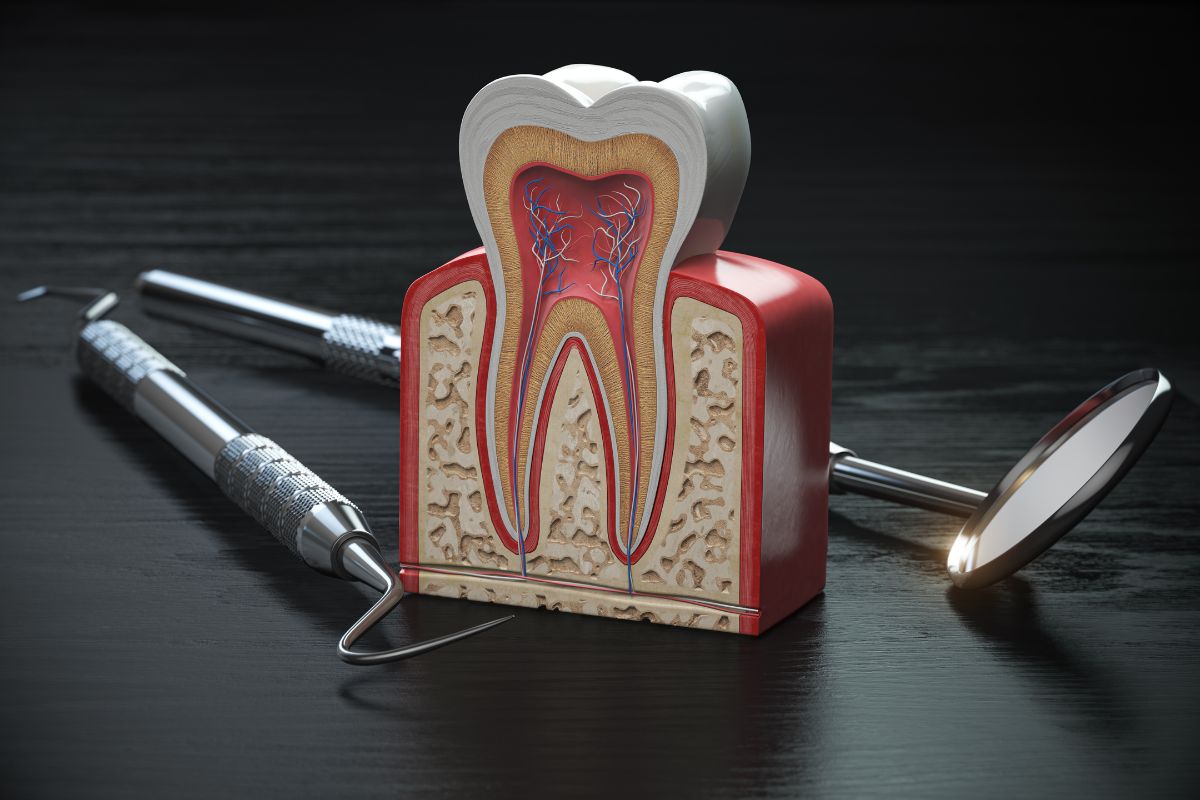
Every implant needs a strong base. The jawbone holds the post in place and helps it stay stable over time. When the bone shrinks or weakens, the implant may not have enough support.
Bone Changes Happen For Several Reasons:
- Tooth loss without replacement
- Gum disease
- Injury
- Natural aging
In hot, dry climates like Phoenix, dehydration can also affect oral health habits. Some people avoid regular dental visits because they feel fine, even when bone loss begins quietly.
When Bone Loss Becomes a Concern?
After tooth loss, bone can begin to shrink within months. The longer the area stays empty, the more bone disappears. That is why early evaluation matters.
For patients seeking dental implants in Phoenix, the dentist checks:
- Bone height
- Bone width
- Bone density
These details help determine whether bone reinforcement is part of the plan.
Is Bone Grafting Needed Every Time?
No. Many patients already have enough healthy bone. In those cases, implant placement can begin without extra steps.
Bone grafting becomes useful when:
- The bone feels too thin
- The bone appears too soft
- The implant area lacks volume
Instead of being mandatory, it works as support for long-term success.
Patients often assume they will need bone grafting automatically. That idea causes stress before the first visit. In reality, imaging and exams guide the decision.
How do dentists decide if Grafting Is Necessary?
A dental exam alone does not show what lies beneath the gums. Digital scans reveal the structure of the jaw. These scans allow precise planning without guesswork.
During planning, your dentist reviews:
- Bone condition
- Bite alignment
- Space for the implant post
If bone quality meets the requirement, treatment can proceed. If not, bone grafting becomes a preferred option to strengthen the site.
Common Situations That Lead to Bone Grafting
Some conditions raise the chance of needing bone grafting:
- Long-Term Tooth Loss
If a tooth went missing years ago, the bone likely shrank in that area.
- Advanced Gum Disease
Inflammation damages the bone that holds teeth.
- Trauma or Injury
Accidents can damage bone even when teeth remain.
- Sinus Proximity (Upper Jaw)
Back teeth near the sinus sometimes lack enough bone height.
In these cases, grafting prepares the site for stable placement.
If you wonder whether your jawbone can support dental implants, schedule an evaluation today. A scan can give you a clear answer and help you plan your next step with confidence.
Does Bone Grafting Delay the Implant Process?
Bone grafting adds healing time. However, it also improves success rates.
Healing time varies by:
- Graft size
- Personal healing response
- Overall health
Some grafts heal in a few months. Others need more time. Your dentist explains the timeline before treatment begins.
How Bone Grafting Helps Long-Term Results?
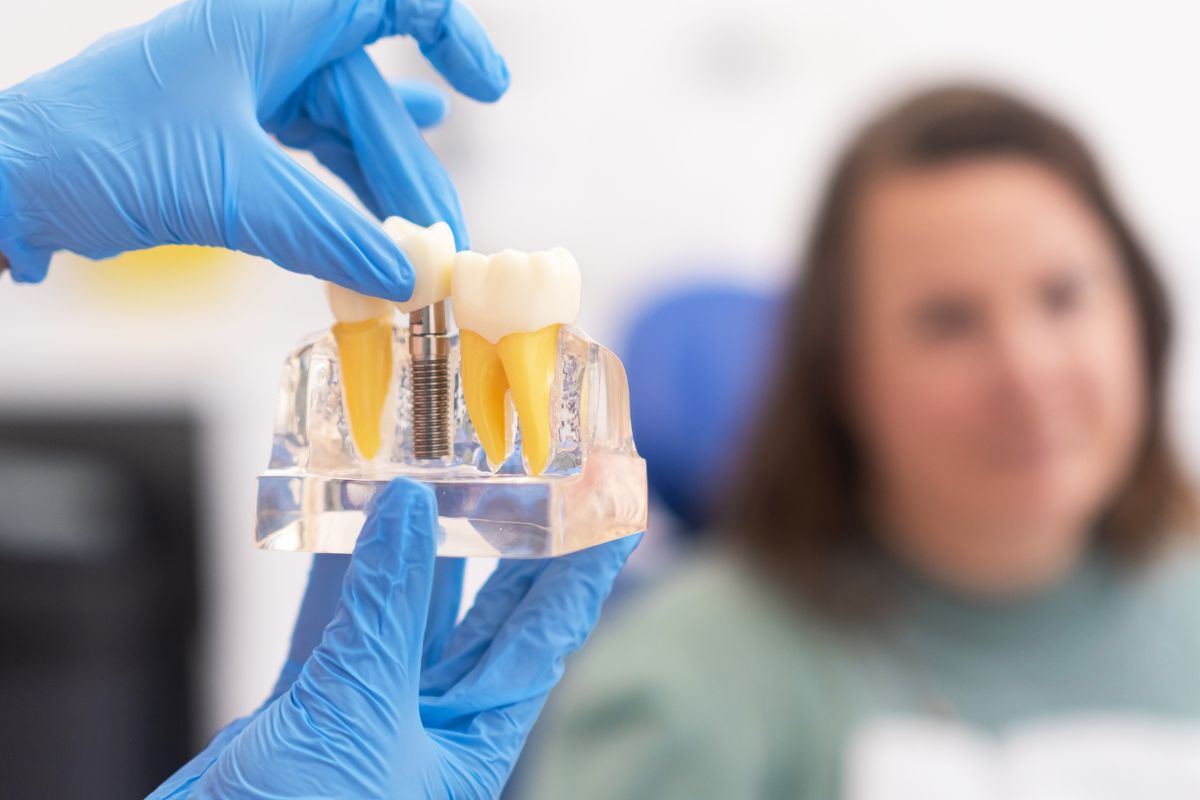
Bone grafting rebuilds missing structure. It creates space for an implant post to integrate with the jaw.
Benefits include:
- Improved stability
- Better bite strength
- Reduced risk of future failure
This step allows dental implants with a bone graft to perform like natural teeth over time.
Local Lifestyle Factors in Phoenix
Phoenix residents stay active year-round. Hiking Camelback Mountain, attending spring training games, or enjoying patio dining all depend on strong chewing and confident smiles.
Dry weather may increase dry mouth symptoms. Dry mouth increases the risk of cavities and gum irritation. Both affect bone health. Regular exams help detect bone changes early.
People who search “dental implants near me” often want quick answers. However, only an exam can determine whether bone grafting is part of the plan.
Understanding the Implant and Graft Relationship
An implant post anchors into bone. Without enough support, it cannot bond properly.
A bone graft for a dental implant fills empty areas and strengthens weak sections. This creates a surface that holds the implant firmly.
Patients often confuse grafting with implant placement. They serve different purposes:
- Grafting builds bone
- The implant replaces the tooth root
Both work together when bone quality needs improvement.
When Grafting Becomes the Preferred Choice?
Dentists recommend grafting when:
- Bone cannot support an implant safely
- Sinus position reduces space
- Jaw structure lacks density
This approach protects the final result and avoids complications later.
For those planning dental implants in Phoenix, grafting can prevent future setbacks and create a healthier foundation.
Are There Cases Where Grafting Is Avoided?
Yes. If bone volume meets requirements, grafting adds no benefit. In such cases, implant placement happens directly.
Your dentist avoids unnecessary steps. Treatment plans focus on safety and stability, not routine procedures.
How the Evaluation Process Works
The first visit includes:
- Oral exam
- Digital imaging
- Bite review
- Health history
These steps enable accurate planning for dental implants in Phoenix and help determine whether bone grafting will improve your outcome.
Planning with Confidence to Have a Healthy Smile
Bone grafting does not apply to every implant case. It becomes useful when bone support falls short. The goal remains simple: create a strong foundation that allows the implant to function like a natural tooth. Each patient’s jaw structure and history guide the decision.
At 7 North Dental, treatment focuses on education and long-term results. If you want to restore your smile with an implant tooth or improve chewing comfort, schedule a consultation today. Let Dr. Brady guide you through your options and help you move forward with clarity.
FAQs
Q. Is bone grafting painful?
A:Most patients feel mild soreness after grafting. Dentists use numbing medication to reduce discomfort. Healing improves within days.
Q. How long does a bone graft take to heal?
A: Healing can take 3-6 months, depending on the size and condition of your wound. Our dentist monitors progress before placing the implant.
Q. Can implants fail without grafting?
A: Yes, if bone support is weak. Grafting in the bone strengthens the area and improves the long-term stability of the implant tooth.
Q. Does everyone with missing teeth need grafting?
A: No. Some patients already have enough bone for implants. Only an exam confirms this.