Visit 7 North Dental Today Or Call: 602-230-0811

Single Tooth Implant vs Multiple Implants: Which Option Is Best for You?
Have you lost one tooth or several teeth and wondered which replacement option makes the most sense? Many people delay treatment because they are unsure whether a single implant or multiple implants will meet their needs. Understanding the differences can help you make a confident decision.
At 7 North Dental, Dr. Brady frequently helps patients compare their options for replacing missing teeth. Whether you have lost a tooth due to injury, decay, or gum disease, modern implant dentistry offers reliable solutions that restore appearance and function.
According to the American Academy of Implant Dentistry, more than 3 million Americans currently have dental implants, and approximately 500,000 new patients receive implants each year. Clinical research has also shown that dental implants can achieve success rates above 95% when placed in appropriate candidates and maintained properly.
For people considering dental implants in Phoenix, knowing how each option works is the first step toward making an informed choice. This guide explains the differences between single and multiple implants, who may benefit from each, and what factors influence treatment planning.
What Is a Single Tooth Implant?
A single tooth implant replaces one missing tooth without affecting neighboring teeth.
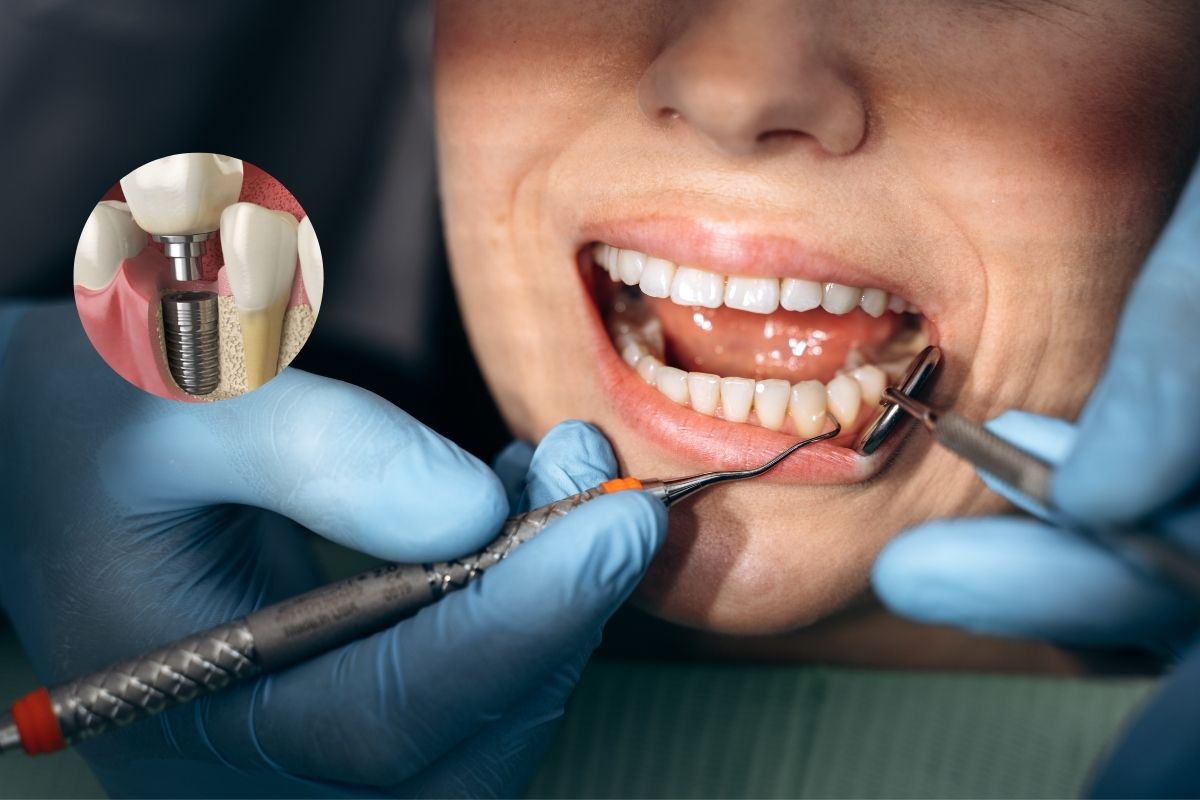
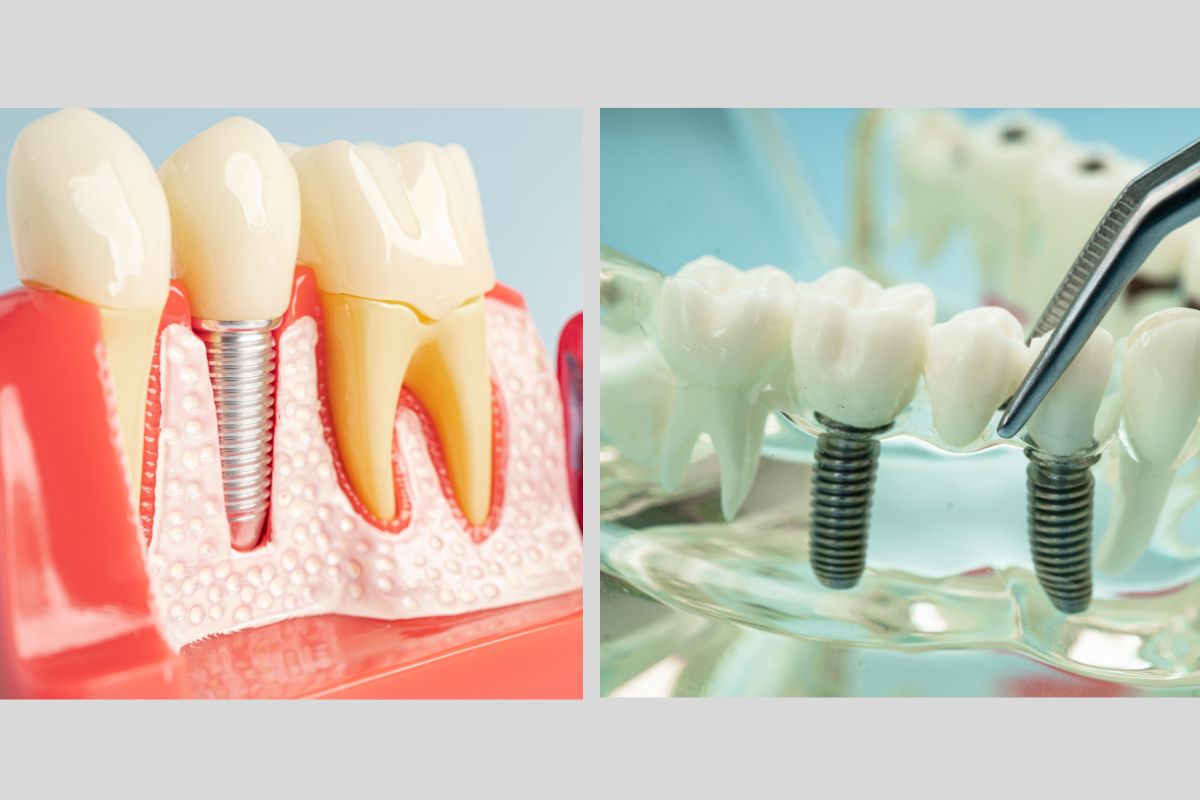
The treatment typically includes three components: a titanium implant post, an abutment, and a custom dental crown. The implant is placed into the jawbone during dental implant surgery, where it functions like a natural tooth root. Once healing is complete, the final restoration is attached.
This form of missing tooth replacement is often recommended when the surrounding teeth are healthy and do not require additional restoration.
What Are Multiple Dental Implants?
Multiple dental implants are used when two or more teeth are missing.
Instead of replacing every tooth individually, implants can support bridges, partial restorations, or even complete arches. Depending on the number and location of missing teeth, a dentist may recommend an implant-supported restoration that restores several teeth using fewer implant posts.
In some cases, patients with extensive tooth loss may qualify for full mouth dental implants or implant-supported dentures, providing a stable alternative to traditional removable appliances.
Single Tooth Implant vs Multiple Implants: What Is the Difference?
The primary difference is the number of teeth being replaced and the type of restoration used.
| Feature | Single Tooth Implant | Multiple Implants |
|---|---|---|
| Teeth Replaced | One tooth | Several teeth |
| Restoration Type | Individual crown | Bridge, partial, or full arch restoration |
| Number of Implants | One implant | Two or more implants |
| Jawbone Support | Localized area | Multiple areas of support |
| Treatment Complexity | Generally simpler | More comprehensive planning |
| Long-Term Function | Replaces one tooth independently | Restores larger portions of the smile |
Both options are considered effective tooth replacement options when planned properly.
Which Patients Are Candidates for a Single Tooth Implant?
A single implant is often ideal for patients who:
- Have one missing tooth
- Have healthy neighboring teeth
- Want a permanent tooth replacement
- Have adequate jawbone support
- Maintain healthy gums
For example, a patient who loses a front tooth during a sports injury may benefit from a single implant because it restores appearance without involving adjacent teeth.
Many patients choose this option because it closely mimics the function and appearance of a natural tooth.
When Are Multiple Implants the Better Choice?
Multiple implants may be recommended when several teeth are missing in the same area or throughout the mouth.
Common Situations Include:
Multiple Adjacent Missing Teeth
Instead of placing an implant for every missing tooth, a dentist may use strategically positioned implants to support a bridge.
Significant Tooth Loss
Patients missing many teeth may benefit from implant-retained dentures that provide greater stability during speaking and eating.
Full Arch Restoration
For individuals with extensive tooth loss, full mouth dental implants can restore an entire upper or lower arch with a fixed solution.
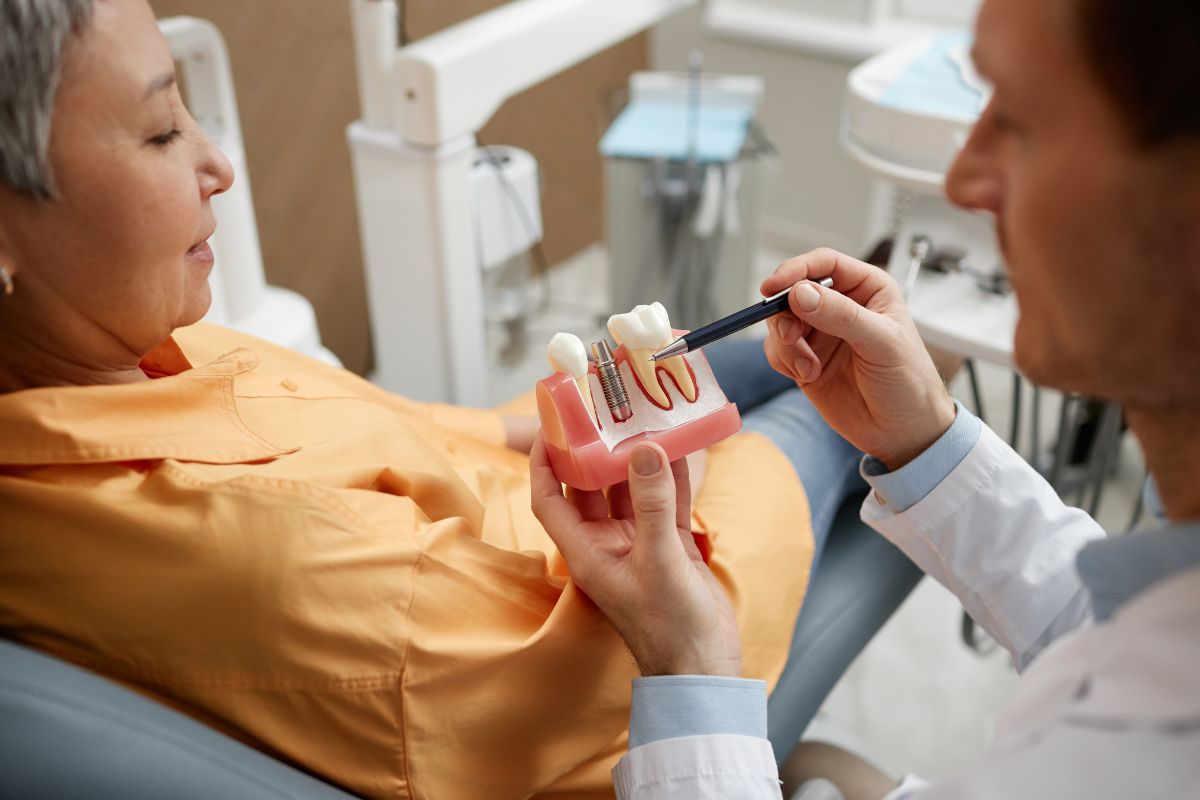
At 7 North Dental, Dr. Brady evaluates factors such as bone volume, oral health, bite alignment, and long-term goals before recommending a treatment approach.
Which Option Lasts Longer?
Both options can provide long-lasting results when properly maintained.
The longevity of an implant depends on several factors:
- Oral hygiene habits
- Gum health
- Bone support
- Regular dental visits
- Lifestyle factors such as smoking
Whether you receive one implant or several, consistent maintenance is essential. Routine oral exams allow dental practitioners to monitor the health of implants and surrounding tissues.
This is one reason many patients undergoing dental treatment receive personalized maintenance recommendations after their procedure.
What Factors Influence the Right Choice?
No single solution works for everyone.
Several factors help determine whether a single implant or multiple implants are appropriate:
Number of Missing Teeth
The extent of tooth loss is often the most important factor.
Bone Health
Adequate jawbone support helps ensure implant stability. Some patients may require bone grafting before treatment.
Budget and Long-Term Goals
Different treatment plans involve varying levels of complexity. A thorough consultation helps patients understand their options.
Overall Oral Health
Healthy gums and controlled oral conditions improve treatment outcomes.
Many patients seeking dental implants in Phoenix are surprised to learn that treatment recommendations often focus on preserving long-term oral function rather than simply replacing missing teeth.
Are Implants Better Than Other Tooth Replacement Options?
Implants offer several advantages compared to traditional alternatives.
Unlike removable appliances, implants integrate with the jawbone and help maintain bone structure. They also avoid placing additional stress on neighboring teeth.
Depending on oral health, some individuals may still benefit from bridges or dentures as part of a broader dental treatment plan.
A professional evaluation remains the most reliable way to determine which option fits your situation.
Why Is a Professional Evaluation Important?
Online research can provide useful information, but it cannot replace a clinical examination.
Dentists assess:
- Bone density
- Gum condition
- Bite alignment
- Existing restorations
- Medical history
During implant treatment, these details influence every stage of planning and placement. A personalized assessment helps identify the most predictable path forward.
Patients from Phoenix, Glendale, Paradise Valley, and nearby communities often discover that the right solution depends on factors they were not aware of before their consultation.
Before moving forward with any dental treatment, it is important to understand both the benefits and limitations of each option. If you are considering implant treatment and want guidance based on your specific needs, visit our dental practice in Phoenix for a comprehensive evaluation.
Restore Your Smile With Guidance You Can Trust
Choosing between a single implant and multiple implants depends on your oral health, the number of missing teeth, and your long-term goals. At 7 North Dental, Dr. Brady takes the time to explain every option and help patients understand which solution fits their situation. If you are exploring dental implants in Phoenix, our team is here to provide clear answers and personalized recommendations. Book an appointment today to learn more about your options for restoring a healthy, confident smile.
Frequently Asked Questions
1. Can one implant support more than one tooth?
Yes. In some situations, two implants can support a dental bridge that replaces several missing teeth. The exact approach depends on the location of the missing teeth, the condition of the jawbone, and overall oral health. A consultation helps determine whether this option is appropriate for your needs.
2. How long does implant treatment usually take?
The timeline varies from patient to patient. Factors such as healing, bone quality, and the need for additional procedures can affect treatment duration. A dental examination and imaging study can provide a more accurate timeline and help you understand what to expect during the process.
3. Are implant-supported dentures more stable than traditional dentures?
Many patients find implant-supported dentures more secure because they attach to implants anchored in the jawbone. This added stability can improve chewing comfort and reduce movement. A dental evaluation can determine whether implant-retained options are suitable for your oral health and goals.
4. What happens if I wait too long to replace a missing tooth?
Delaying treatment may allow neighboring teeth to shift and can contribute to changes in the jawbone over time. Early evaluation helps identify the most appropriate replacement option before additional complications develop. A dentist can assess whether treatment should begin now or can safely be postponed.
5. How do dentists decide between a single implant and multiple implants?
The decision depends on the number of missing teeth, jawbone support, gum health, bite function, and long-term goals. Comprehensive imaging and examination allow dentists to create a personalized treatment plan that supports both function and appearance while protecting overall oral health.