Visit 7 North Dental Today Or Call: 602-230-0811

Deep Cleaning Before Dental Implants: What You Should Know
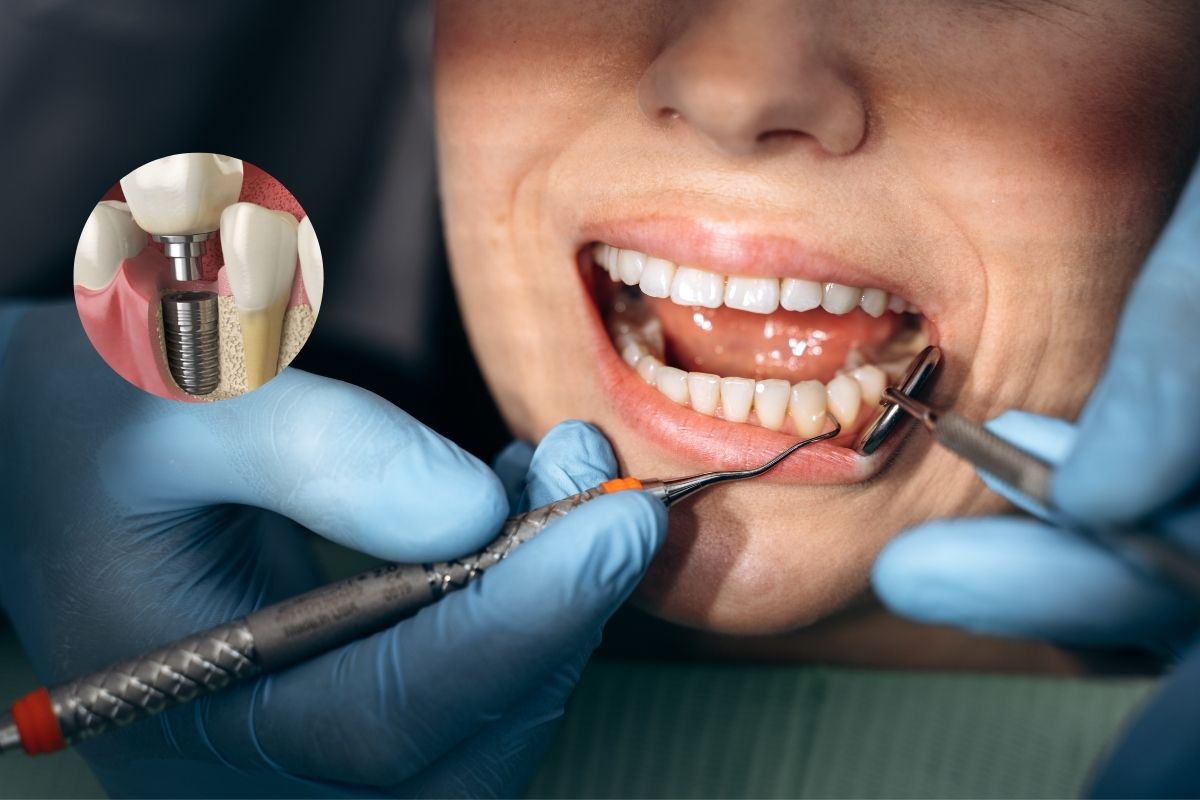
Missing teeth can make everyday activities like eating, speaking, and smiling feel different than they once did. If you are considering dental implants in Phoenix, it is important to understand that successful treatment begins with more than replacing a missing tooth. The health of your gums and supporting bone plays a major role in the outcome. At 7 North Dental, every treatment plan starts with a complete evaluation of your oral health before moving forward. In some cases, deep cleaning is recommended first to reduce gum inflammation and create a healthier environment for healing.
Taking this step may improve comfort during recovery and support long-term success. Knowing why this treatment is sometimes necessary can help you feel prepared and confident about restoring your smile.
Why Gum Health Comes First
Many people focus on replacing missing teeth but overlook the importance of healthy gums. Your gums protect the tissues and bone that support your smile. When bacteria remain below the gumline, they can cause inflammation that gradually damages these supporting structures.
If gum disease is present before dental implants are placed, healing may become more challenging. That is why your dentist will examine your gums carefully before recommending any restorative procedure.
During your initial evaluation, your oral health may be checked for:
- Bleeding gums
- Swelling or redness
- Deep periodontal pockets
- Plaque and tartar buildup
- Gum recession
- Early signs of bone loss
Treating these concerns first helps create a healthier foundation for long-term oral health.
What Is Deep Cleaning?
Unlike a routine preventive cleaning, deep cleaning targets bacteria and hardened deposits below the gumline. It is commonly recommended for patients with signs of periodontal disease.
This treatment generally includes two important steps:
- Scaling
Scaling removes plaque, tartar, and bacteria from beneath the gums and around the roots of the teeth.
- Root Planing
Root planing smooths the tooth roots, making it more difficult for bacteria to collect while encouraging the gums to heal and reattach naturally.
The goal of deep cleaning is not simply to clean the teeth. It is to reduce infection, control inflammation, and create healthier gum tissue before additional dental procedures are performed.
Does Everyone Need Deep Cleaning Before Implant Treatment?
Not every patient requires deep cleaning before receiving dental implants. The decision depends entirely on the condition of your gums and supporting tissues.
You may benefit from this treatment if you have:
- Bleeding while brushing or flossing
- Persistent bad breath
- Moderate or advanced gum disease
- Heavy tartar deposits
- Loose teeth caused by periodontal disease
- Gum pockets around several teeth
Patients with healthy gums often move directly into treatment planning after their examination.
Every mouth is different, which is why the dentist develops recommendations based on your individual oral health rather than following the same process for everyone.
Why Deep Cleaning May Improve Long-Term Implant Success
Although replacing a missing tooth is the primary goal, reducing harmful bacteria beforehand may help create healthier conditions throughout the mouth.
Some of the potential benefits include:
Healthier Gum Tissue
Inflamed gums are more sensitive and may require additional healing time. Deep cleaning helps reduce inflammation before surgery begins.
Lower Bacterial Levels
Removing bacteria below the gumline creates a cleaner environment during the healing process and supports healthier surrounding tissues.
Better Assessment of Gum Health
Inflamed gums can hide the true condition of your mouth. Once healing occurs, your dentist can evaluate your gums more accurately and determine whether additional treatment is needed.
Stronger Long-Term Support
Healthy gums play an important role in protecting the bone and surrounding tissues that help support dental implants over time.
What Happens After Deep Cleaning?
Healing begins immediately after the procedure, although every patient responds differently.
Most people notice gradual improvement over the following weeks as inflammation decreases and the gums begin to recover.
During follow-up visits, your dental team will evaluate:
- Gum healing
- Reduced bleeding
- Pocket depth improvement
- Overall oral hygiene
- Readiness for the next phase of treatment
These follow-up appointments help determine whether your mouth is prepared for implant placement.
At 7 North Dental, Dr. Brady carefully monitors healing before moving forward with the next step of treatment. This thoughtful approach helps ensure that your gums are healthy enough to support long-lasting results.
How Gum Disease Can Affect Your Future Smile
When gum disease is left untreated, bacteria continue to damage the tissues that support your teeth. Over time, this can lead to additional bone loss and create a less stable foundation for future restorations.
Patients researching dental implants in Phoenix are often surprised to learn that treating gum disease first may improve the overall outlook of their treatment. Addressing inflammation early allows your mouth to recover before more advanced procedures begin.
For many people, deep cleaning becomes an important first step toward rebuilding both oral health and confidence.
How to Prepare for Implant Treatment
Whether or not deep cleaning is recommended, preparing your mouth before treatment can make a meaningful difference in your overall oral health. Healthy daily habits support healing and help reduce the risk of future gum problems.
Here are a few simple ways to prepare:
- Brush your teeth twice a day using a soft-bristled toothbrush.
- Floss daily to remove plaque between the teeth.
- Attend all recommended periodontal maintenance visits.
- Eat a balanced diet that supports healthy gums.
- Drink plenty of water throughout the day.
- Avoid tobacco products, as they can interfere with healing.
- Follow every instruction provided by your dentist before and after treatment.
These habits do more than prepare your mouth for treatment. They also help protect your smile for years to come.
Why a Healthy Foundation Leads to Long-Term Success
Replacing missing teeth is about more than restoring appearance. Lasting results begin with healthy gums, stable bone, and careful planning.
Patients searching for dental implants in Phoenix often focus on the final restoration. However, preparing the mouth beforehand can be just as important. Addressing gum inflammation first helps create a healthier environment before dental implants are placed.
At our practice, every patient receives a comprehensive evaluation before treatment begins. Dr Brady believes that understanding your oral health today can help protect your smile well into the future.
Before beginning treatment, visit our dental office for a complete evaluation. Identifying and treating gum disease early allows your dental team to build a healthier foundation before moving to the next stage of care.
Rebuild Your Smile with Confidence
Healthy gums are one of the most important parts of successful tooth replacement. While not every patient requires deep cleaning, treating gum disease before dental implants may improve healing, reduce future complications, and create stronger support for your new smile.
If you are considering dental implants in Phoenix, now is the time to learn whether your gums are ready for treatment. 7 North Dental is committed to helping patients throughout Phoenix and nearby communities understand every step of the process. Book an appointment today to receive a comprehensive evaluation and begin your journey toward a healthier, more confident smile.
Frequently Asked Questions
1. How do I know if I need deep cleaning before implant treatment?
A comprehensive examination allows the dental team to evaluate your gums, measure periodontal pockets, and identify signs of gum disease. If infection or inflammation is present, treating it first can help create healthier conditions before implant placement.
2. Can I receive dental implants if I have gum disease?
Active gum disease is usually treated before implant surgery. Controlling the infection first helps protect the surrounding bone and gums while improving the environment for long-term healing.
3. How long does it take to recover after deep cleaning?
Most patients notice improvement within a few days, while complete gum healing may take several weeks. Your provider will monitor your progress before determining the appropriate time to continue treatment.
4. Is deep cleaning different from a regular dental cleaning?
Yes, a routine cleaning focuses on plaque above the gumline, while deep cleaning removes bacteria and hardened deposits beneath the gums to manage periodontal disease and encourage healthier tissue.
5. What happens if gum disease is not treated before implant placement?
Untreated gum disease may continue damaging the supporting tissues and bone. Addressing these concerns first helps reduce the chance of complications and supports healthier long-term results.
6. How can I keep my gums healthy after treatment?
Brushing twice daily, flossing every day, attending regular professional cleanings, and following your provider’s recommendations help maintain healthy gums and protect your restored smile for years to come.