Visit 7 North Dental Today Or Call: 602-230-0811

What is The Failure Rate For Dental Implants?
Dental implants are a revolution to dental science as they restore knocked-out or missing teeth. These dental prosthetics are a proper replacement for your natural teeth. But sometimes they fail due to certain reasons. If you are having an implant, then you should know the rate and the reasons for implant failure. In this blog, we will dive into these facts that help you gather ideas about the failure rate and process of maintaining your implants.
Consequences Of Failing Dental Implants
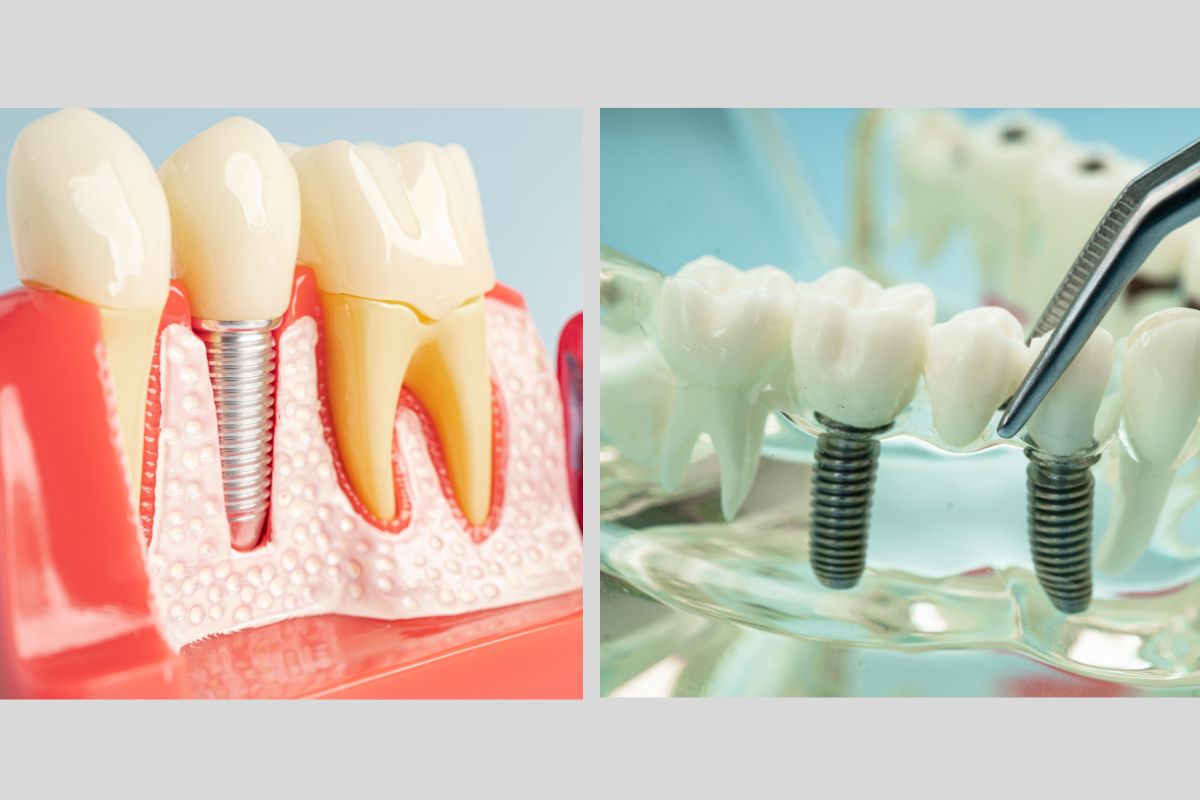
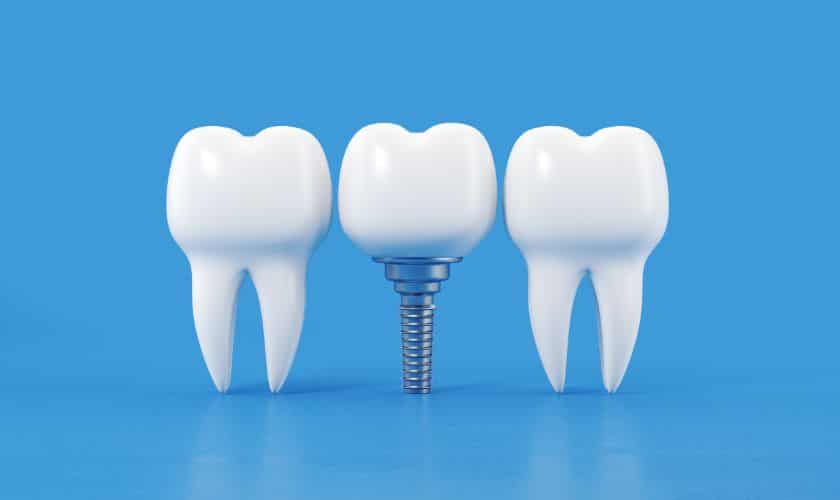
Dental implants consist of three parts, an implant, an abutment, and a crown. It consists of a screw that fixes with the jaw bone. Dentists make an incision in the gums and drill the jawbone to make a passage for the implant screw. After proper insertion of the screw of the implant, it’s left for 2 to 3 months. During this time, the jaw bone gets fixed to the screw through a process known as osseointegration to form a hard base.
In some cases, the implant is unable to fuse properly with the jawbone. In such situations, the implants can fall off. The other consequences are microbial infection. These infections are known as peri-implantitis which has symptoms similar to gum disease.
Average Failure Rate
There are multiple studies and research articles that put the success rate of dental implants from 90% to 98%. The failure rate stands at 2% to 10%. If you are holding an implant then you shouldn’t be one from the failure rate. Various reasons can lead to an implant failure.
One of the most prevailing reasons for implant failure is the failure of host tissue in establishing osseointegration. There are many reasons for this failure which include:
- Occlusal or parafunctional forces
- Premature loading
- Ill-directed stress
- Microbial infection
The long-term failure rate of dental implants is 5 to 10%.
Occlusal Or Parafunctional Forces
Occlusion is focused on the relationship between the top teeth and bottom teeth. Parafunctional activity is an unnatural activity that a body part isn’t built to perform. If you have a habit of chewing nails, chewing pencils, teeth grinding, or mouth breathing then you are performing a parafunctional activity which includes occlusal forces.
Having any of these issues increases the risk of implant failure. So during your dental visit, you need to be honest with your dentist regarding the habits that you have. Prevention is another key to the success of tooth prosthetics. If you can remove all your bad habits then this will be effective for the longevity of your implants.
Premature Loading
If your dentist puts the crown on the implant before 2 months of the initial process, then this can lead to premature loading. Premature loading is the completion of the implant process before proper osseointegration. Osseointegration is the process where the jawbone forms around the dental implant. This process takes a period of 2 to 3 months. If you are pushing the final process within this interval then it can lead to an implant failure.
The only way to prevent an implant failure due to premature loading is patience. Keep patience in the process so that you can get an amazing smile. Successful implants survive for 15 to 20 years. So, the process takes time to fix firmly with the jaw bone.
Ill Directed Stress
Ill-directed stress is the regular stress that we exert on the tooth during chewing. In other words, the more pressure you exert, the more the implant gets affected. It depends upon the place where the implant is located and the strength of the adjacent teeth.
Teeth movement during chewing and the force play an important role in the success of the dental implant. Some teeth are way stronger than the other teeth because they carry more burden during chewing. The location plays a main factor because the biting force is uneven in all the teeth.
Microbial Infection
Microbial infection is a nightmare for people with dental implants. If all the processes are completed properly, but the implant fails, then you are having a microbial infection. Suppose you recently had dental surgery, then your teeth are prone to infection.
Microbial infections loosen the joint of the jawbone with the implant causing it to drop off from the socket. To prevent this mishap, you should maintain proper dental hygiene.
Dental implants are a successful step in restorative dentistry, but this can fail due to improper techniques and habits. If you are having it then you must take a dentist’s appointment regularly so that there is no chance of implant failure. A failure results in the removal of the implant, which leaves the space in an open state. This can reduce your confidence and self-esteem. So, take care of your dental implants and follow the detailed checklist to maintain your dental hygiene. Find the route to a confident and radiant smile with a healthy implant as your companion.