Visit 7 North Dental Today Or Call: 602-230-0811

Why You Should Consider Implant-Supported Bridges as Your Next Restorative Option?
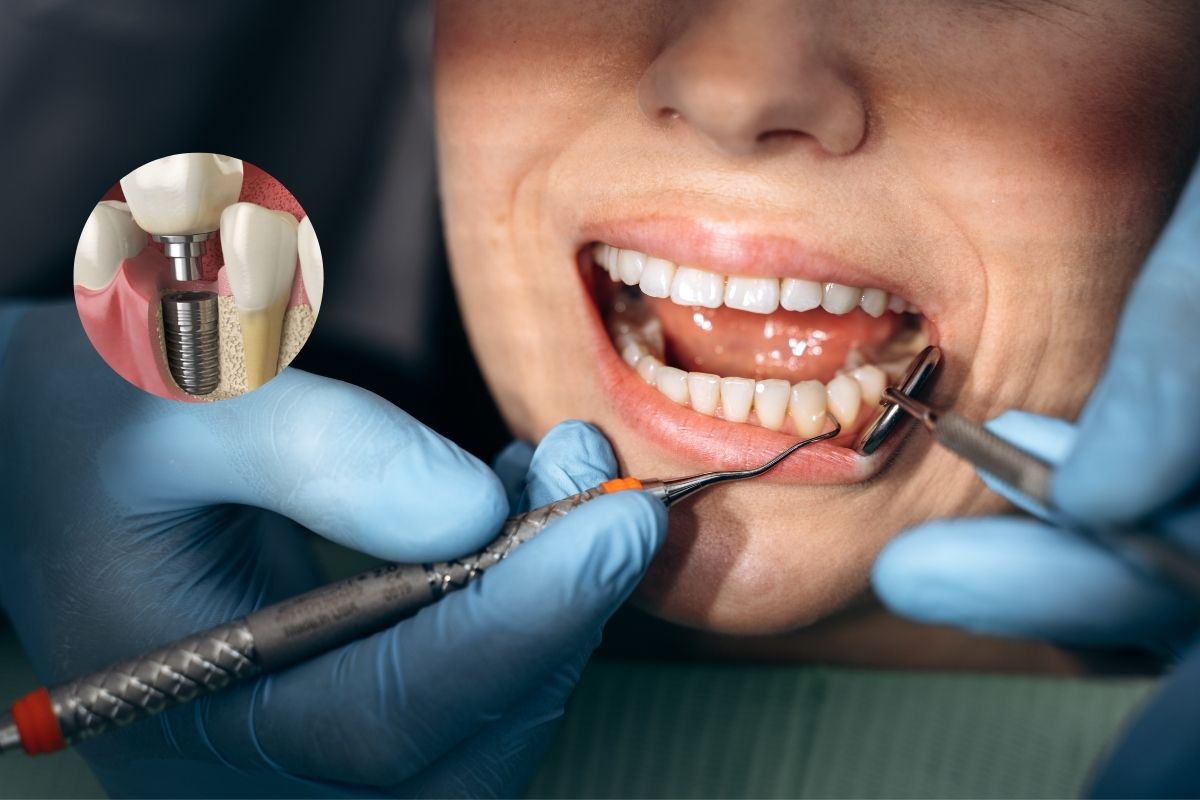
If you’re looking for a long-term, natural-looking way to replace multiple missing teeth, implant-supported bridges are worth serious consideration. Unlike traditional bridges, implant-supported bridges are securely anchored to dental implants, offering superior stability, durability, and comfort. This restorative option not only restores your smile’s appearance but also helps preserve jawbone health and improves chewing efficiency.
At 7 North Dental, we guide you through every step of choosing implants with bridge support—so you can feel confident knowing you’re investing in a solution designed to look, feel, and function like natural teeth.
How Implant-Supported Bridges Work
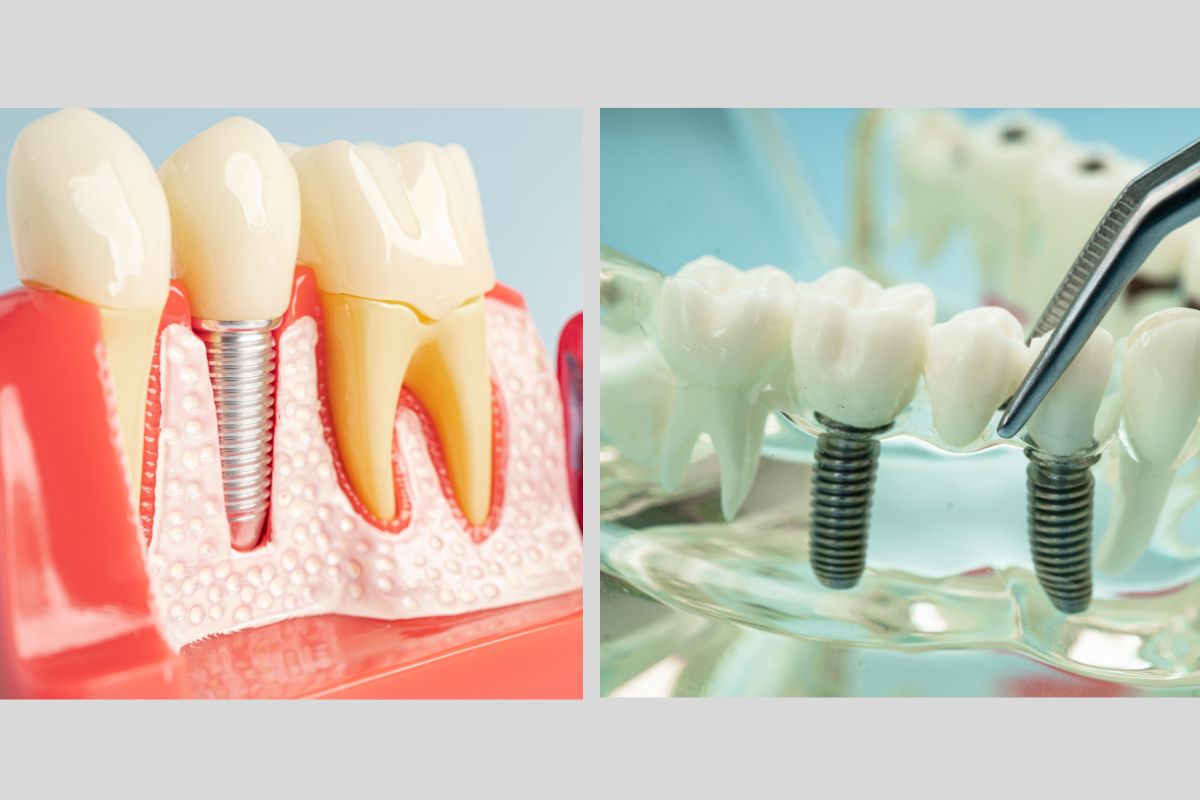
When multiple teeth are missing, a conventional bridge may lack stability, and removable dentures often fail to provide a secure or comfortable fit. Implant-supported dental bridges solve this problem by anchoring the restoration directly to the jawbone using dental implants, creating a strong and dependable foundation. Instead of relying on neighboring teeth or gum support, a tooth implant-supported bridge is fixed firmly in place, allowing it to function much like natural teeth.
Because the implants integrate with the jawbone, this treatment helps prevent bone loss and supports your facial structure over time—something traditional restorative options cannot achieve. The result is a restoration that looks natural, feels comfortable, and allows you to chew and speak with confidence.
What are the Benefits of Choosing an Implant-Supported Bridge Over Dentures
Implant-supported bridges offer clear advantages over traditional dentures, especially when it comes to stability, comfort, and long-term oral health. The table below highlights why many patients prefer implant-supported dental bridges as a permanent solution for missing teeth.
| Benefit | Implant-Supported Bridge | Traditional Dentures |
|---|---|---|
| Stability | Implants with bridge support are firmly anchored into the jawbone using dental implants, offering exceptional stability with no slipping or movement. | Rest on gums and may shift while eating or speaking. |
| Durability | An implant-supported bridge is a long-term solution that can last for decades with proper care. | Often require adjustments, relining, or replacement over time. |
| Comfort | Feels secure and natural, closely mimicking real teeth without irritation. | Can cause sore spots, pressure points, and general discomfort. |
| Bone Preservation | Dental implants stimulate the jawbone, helping prevent bone loss and maintaining facial structure. | Do not stimulate bone, leading to bone loss and facial sagging over time. |
| Aesthetics | Implant-supported dental bridges blend seamlessly with natural teeth for a healthy, confident smile. | Do not stimulate bone growth, as this can lead to bone loss and facial sagging over time. |
These advantages make implant-supported bridges an ideal choice for patients seeking both functional strength and aesthetic appeal in their dental restoration. If you are in the Phoenix area and want to learn more about dental bridges on implants, schedule a consultation with our dentist at 7 North Dental.
Financing Options for Implant-Supported Bridges
Dental implants are a long-term investment in the future of your smile. At 7 North Dental, we offer various financing options for this procedure so that you can access the treatment. We have our in-house payment plans and third-party financing through healthcare credit providers. With our help, we will find an option that suits your budget. The long-term benefits of implant-supported bridges will be yours through our help. Our team is committed to making the transformative procedure affordable without quality compromise.
Combining Implant-Supported Bridges with Other Dental Procedures
Wondering what dental procedures you can undergo after getting implant-supported dental bridges? Here’s a short list of what services you can avail post the procedure. In addition, you can always ask your dentist to know what the major pros and cons are, along with their limitations.
- Teeth Whitening: Brightening your natural teeth before or after implant-supported bridge placement helps create a uniform, radiant smile that blends perfectly with the restoration.
- Crowns or Veneers: In some cases, crowns or veneers are used alongside a dental bridge on implants to strengthen surrounding teeth or improve aesthetics, allowing your entire smile to appear balanced and cohesive.
- Gum Treatments: Healthy gums are essential for successful dental implants. Periodontal treatments may be recommended prior to placing a tooth implant-supported bridge to ensure proper healing, stability, and long-term success.
By reviewing all available options with your dentist, you can develop a comprehensive treatment plan that supports both oral health and cosmetic outcomes—maximizing the performance and longevity of your implant-supported restoration.
Get Your Dental Implant-Supported Bridge Today
Choosing an implant-supported bridge is a smart, long-term decision for patients seeking a reliable, natural-looking solution for missing teeth. By anchoring implant-supported dental bridges directly to dental implants, this treatment offers unmatched stability, comfort, and durability compared to traditional bridges or dentures. Beyond restoring your smile’s appearance, implants with bridge support play a critical role in preserving jawbone health, maintaining facial structure, and improving everyday functions like chewing and speaking.
Whether combined with whitening, gum treatments, or additional restorations, a tooth implant-supported bridge can be tailored to meet both functional and aesthetic needs. At 7 North Dental, every treatment plan is designed with precision and long-term oral health in mind—ensuring that your dental bridge on implants not only looks natural but also performs like real teeth for years to come.
FAQs
Q. How long does the implant-supported bridge procedure take?
A: The procedure usually takes months. Healing is facilitated in stages, and it progresses to include an initial consultation where implants are inserted to culminate in affixing the final bridge upon effective healing.
Q. Are implant-supported bridges painful?
A: You will always feel comfortable during the surgery process since anesthesia is deployed. After surgery, expect minimal pain that can be managed with prescribed drugs.
Q. How do I care for my implant-supported bridge?
A: Regular brushing and flossing are maintenance routines for implants. You must ensure regular dental check-ups so your implant-supported bridge will last longer.
Q. Is everybody a good candidate?
A: The perfect candidate for this must have good oral health, enough jawbone density, and be a non-smoker. Consulting with an implantologist may help you decide if this bridge is terrible.
Q. Is a bridge considered restorative?
A: Dental bridges are a key restorative solution for replacing missing teeth, helping restore both function and appearance. They enhance your smile’s aesthetics, improve chewing and speech, and support overall oral health—allowing you to smile and eat with confidence again.
Q. Why would a dentist recommend a bridge over an implant?
A: Both dental bridges and implants are reliable tooth replacement options, but a dental bridge may be preferred in certain situations. Factors such as the number and location of missing teeth, jawbone strength, and overall oral health often guide a dentist’s recommendation.