Visit 7 North Dental Today Or Call: 602-230-0811

Bridge or an Implant: Which is Ideal During Invisalign Treatment?
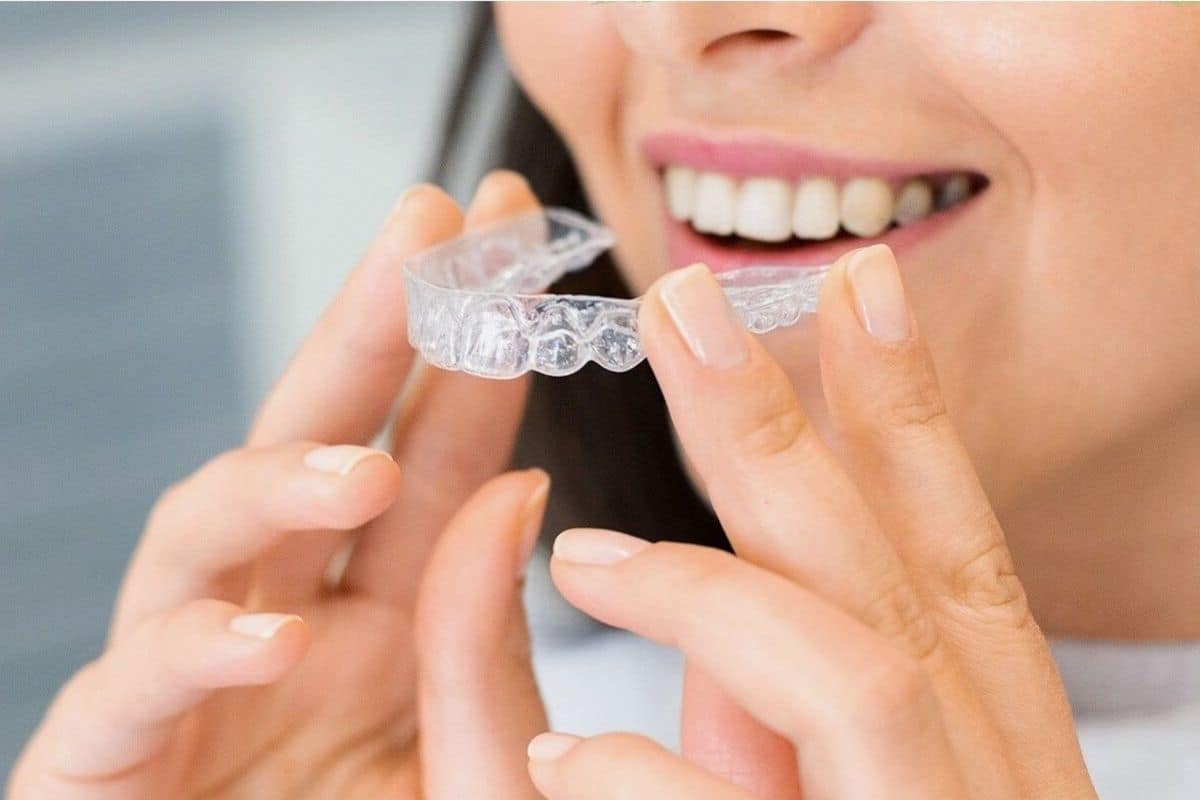
Undergoing Invisalign treatment and having concerns about missing teeth? Will a dental implant or a bridge be an ideal choice for your missing teeth?
Both options can restore your smile, but they interact very differently with Invisalign treatment.
At 7 North Dental, patients often ask which restorative option works best with Invisalign aligners for teeth. The right choice depends on your bite, bone health, and long-term goals. Below, we break down how implants and bridges work with Invisalign, and what Phoenix patients should consider.
Understanding Dental Implants and Bridges?
Before understanding how they fit into an Invisalign treatment plan, it’s important to know how each restoration works.
Dental Implants
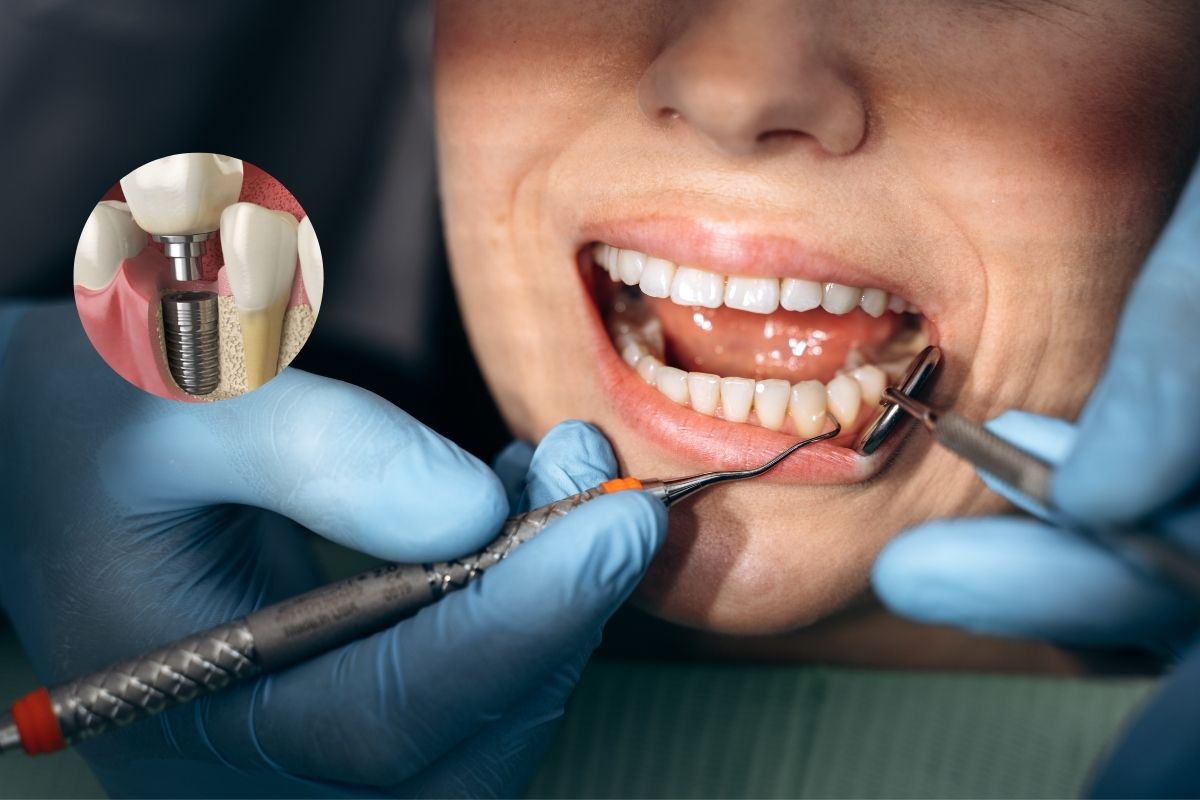
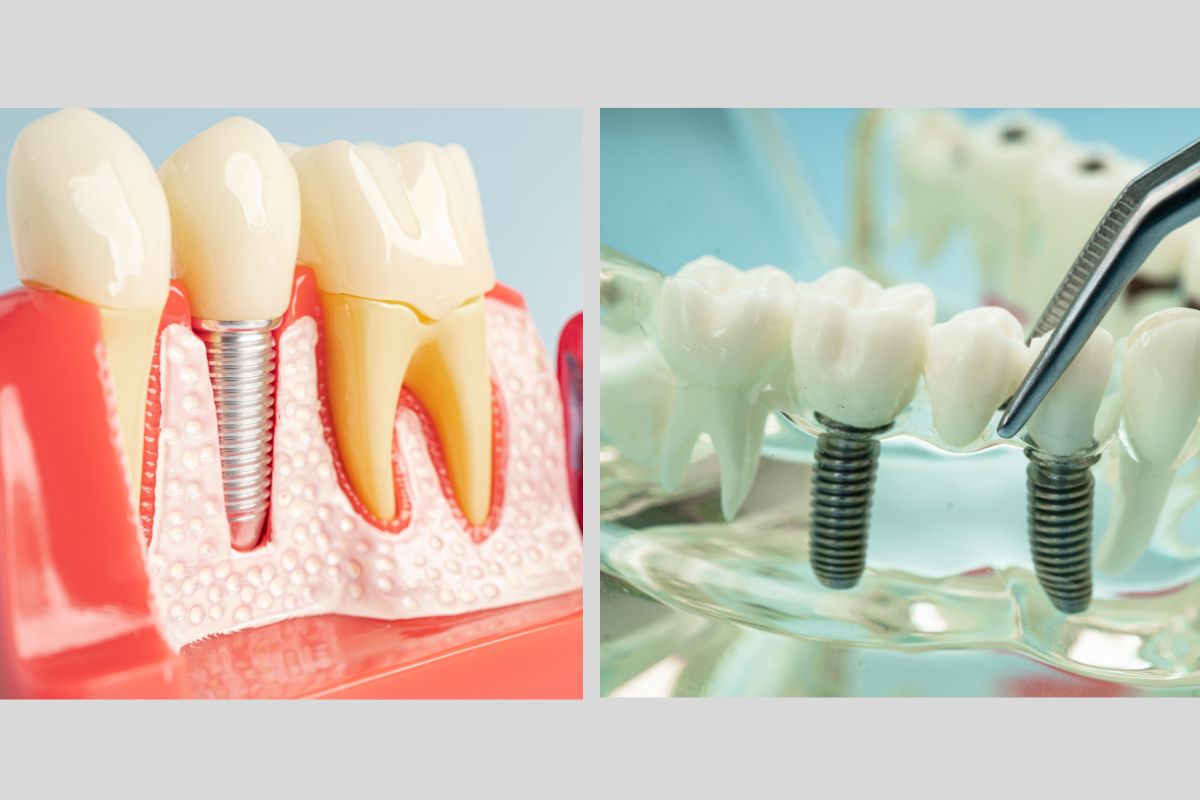
A dental implant is a titanium post placed into the jawbone to replace a missing tooth root. Once healed, a crown is attached, creating a permanent, natural-looking tooth.
- Acts as a standalone tooth
- Does not rely on surrounding teeth
- Long-lasting with proper care
Implants are widely considered the most stable solution when combined with Invisalign.
Dental Bridges
A dental bridge replaces missing teeth by anchoring artificial teeth to neighboring natural teeth.
- Non-surgical option
- Relies on adjacent teeth for support
- Requires reshaping of healthy teeth
- Typically lasts 10–15 years
While effective, bridges can limit tooth movement during Invisalign treatment.
Why Restoring a Missing Tooth Matters During Invisalign Treatment
Invisalign aligners work by gradually shifting teeth into precise positions. When teeth are missing, your Phoenix dentist must carefully plan how to manage spacing and alignment.
Choosing the right restoration ensures:
- Predictable tooth movement
- Stable bite alignment
- Better long-term results
This is why restorative choices are a key part of your overall Invisalign treatment plan. To know more about the treatment, consult a dentist.
Dental Implants and Invisalign: How They Work Together
Dental implants are often the preferred option during Invisalign treatment.
Because implants are fused to the jawbone, they do not move when Invisalign aligners shift surrounding teeth. This allows your dentist to align your natural teeth accurately around the implant without interference.
Benefits of implants with Invisalign:
- Do not disrupt tooth movement
- Provide long-term stability
- Ideal for patients missing one or more teeth
- Excellent for pre- or post-Invisalign placement
For many patients seeking Invisalign in Phoenix, implants offer the most flexibility and predictability.
Dental Bridges and Invisalign: What to Know
Dental bridges can complicate Invisalign teeth alignment because the teeth supporting the bridge are locked together and cannot move independently.
Potential challenges include:
- Limited orthodontic movement
- Reduced the effectiveness of aligners
- Need for modified treatment strategies
In some cases, a dentist in Phoenix may recommend completing Invisalign treatment before placing a bridge, depending on how much movement is needed.
Key Factors When Choosing Between Implants and Bridges
Oral Health and Bone Density
Implants require sufficient jawbone density. If bone loss is present, grafting may be needed. Bridges do not rely on bone health, making them an option when implants are not feasible.
Durability and Longevity
- Dental implants: Often last a lifetime
- Dental bridges: Usually need replacement every 10–15 years
For patients looking for a long-term solution alongside Invisalign dental care, implants are often the better investment.
Comfort and Aesthetics
Implants feel and function like natural teeth and preserve surrounding tooth structure. Bridges require altering adjacent teeth, which some patients prefer to avoid.
How Implants or Bridges Affect Invisalign Results
Implants During Invisalign
- Remain stationary
- Allow precise movement of surrounding teeth
- Do not interfere with aligner effectiveness
Bridges During Invisalign
- Restrict independent tooth movement
- May limit alignment options
- Require careful planning or delayed placement
Your Phoenix dentist will evaluate which option best supports your orthodontic goals.
Making the Right Choice in Phoenix
Choosing between implants and bridges during Invisalign treatment isn’t just about aesthetics—it’s about long-term oral health and treatment success.
Implants often provide the most flexibility and stability during Invisalign, while bridges may be appropriate in specific situations based on health or budget.
Invisalign and Restorative Dentistry at 7 North Dental
At 7 North Dental, we take a comprehensive approach to smile transformation. Our experienced Phoenix dentist team carefully coordinates Invisalign treatment plans with restorative solutions like implants or bridges to ensure optimal results.
If you’re considering Invisalign in Phoenix and need guidance on replacing missing teeth, schedule a consultation today. We’ll help you choose the solution that supports both your orthodontic treatment and long-term smile health.
FAQs
Q. Can I get Invisalign if I already have dental implants?
A: Yes. Invisalign can be planned around existing implants. Implants don’t move, but surrounding teeth can be aligned safely.
Q. Should Invisalign be done before or after dental implants?
A: In most cases, Invisalign is done before implant placement to create ideal spacing. Your dentist decides based on your bite.
Q. Can Invisalign work if I have a dental bridge?
A: Sometimes. Bridges limit tooth movement because supporting teeth are connected. Invisalign may still work with adjusted planning.
Q. Can Invisalign close gaps from missing teeth?
A: Yes. Invisalign aligners can close or properly shape gaps before placing an implant or bridge.
Q. Will Invisalign aligners fit over crowns, bridges, or implants?
A: Yes. Aligners are custom-made to fit over existing dental work without damaging it.
Q. Do missing teeth reduce Invisalign effectiveness?
A: No. Missing teeth don’t disqualify you. Invisalign treatment plans are customized to manage spacing and alignment accurately.