Visit 7 North Dental Today Or Call: 602-230-0811

What Happens After Dental Implant Surgery? A Detailed Recovery Guide
Dental implants are one of the most predictable and long-lasting solutions for replacing missing teeth. However, the success of implant treatment depends heavily on proper healing during the weeks and months after surgery.
Most patients want to know how long recovery takes, when discomfort improves, and when they can return to normal eating habits. Understanding the recovery timeline helps reduce uncertainty and allows patients to protect their results during every phase of healing.
At 7 North Dental, Dr. Chadwick Brady and Dr. Chase Wedemeier use detailed diagnostics, modern imaging, and personalized treatment planning to help patients heal safely and comfortably after implant placement. If you are exploring tooth replacement options, scheduling a consultation allows our team to evaluate your bone health, gum condition, and long-term implant readiness.
According to the U.S. National Institutes of Health, dental implants consistently demonstrate long-term success rates above 95% when healing protocols and oral hygiene are properly maintained. That makes recovery care just as important as the implant procedure itself.
What Happens Immediately After the Implant Surgery?
Most patients experience mild swelling, tenderness, and minor bleeding during the first few days after surgery. These symptoms are temporary and typically improve steadily as the body begins repairing the surgical area.
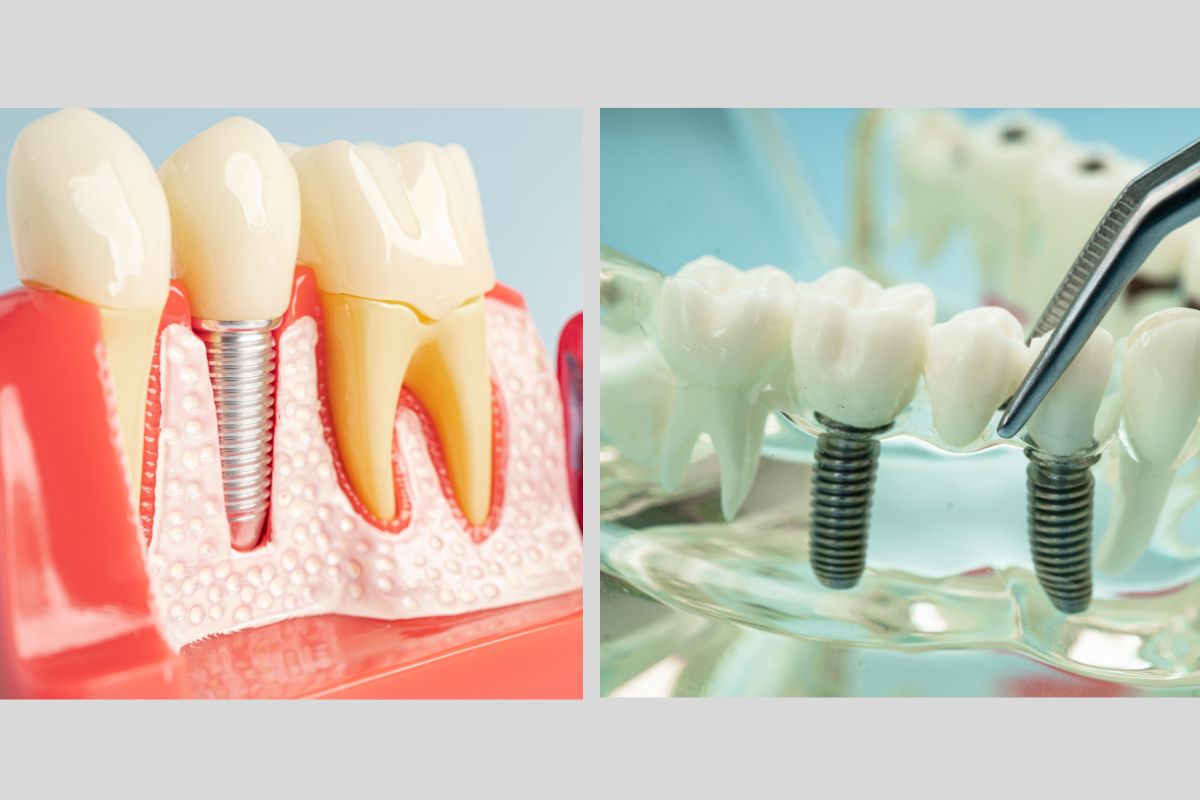
The implant is placed directly into the jawbone, where it gradually fuses with surrounding bone through a biological process called osseointegration. During the first 72 hours, blood clot formation and tissue stabilization become critical to long-term implant success.
Common Symptoms During the First Few Days
Swelling around the cheeks and gums is normal after implant placement. Some patients also notice jaw tightness, mild bruising, or temporary difficulty chewing while the surgical area remains sensitive.
Why Rest and Hydration Matter
The dry desert climate can increase dehydration and oral dryness after surgery. Patients recovering locally are usually advised to stay hydrated and avoid prolonged outdoor heat exposure during the earliest healing phase.
Week One: Protecting the Implant Site
The first week focuses on minimizing pressure around the implant and protecting the developing blood clot. Most discomfort begins improving after the third day, though the area still requires careful management.
Foods That Support Early Healing
Soft foods reduce unnecessary force around the implant while allowing the gums to recover naturally. Scrambled eggs, yogurt, oatmeal, protein shakes, soups, and mashed vegetables are commonly recommended during this stage because they provide nutrition without irritating the surgical site.
Habits Patients Should Avoid
Crunchy foods, smoking, drinking through straws, and vigorous rinsing can interfere with healing during the first week. Even seemingly harmless foods like tortilla chips or crusty artisan bread can place excessive pressure on newly treated areas.
Why Oral Hygiene Still Matters
Keeping the mouth clean remains essential after surgery, but brushing should be gentle around the implant site. Controlled hygiene helps reduce bacteria without disturbing healing tissues or causing inflammation around the implant.
Week Two: Gum Tissue Begins Stabilizing
Most visible swelling and bruising improve significantly by the second week. Gum tissue starts sealing around the implant, reducing irritation and helping the surgical area feel more stable.
What Healthy Healing Looks Like
Patients typically notice reduced soreness, healthier gum color, and less sensitivity while eating soft foods. Mild tenderness may still remain, but symptoms should continue improving steadily rather than worsening.
Signs That Require Immediate Attention
Persistent throbbing pain, fever, worsening swelling, or discharge near the implant site should never be ignored. Early treatment of complications helps protect bone integration and lowers the risk of implant failure.
Why Healing Timelines Differ
Every patient heals differently, depending on bone quality, gum health, medical history, and whether additional procedures were performed. Patients researching dental implants in Phoenix often compare recovery experiences online, but personalized healing varies considerably between cases.
Weeks Three Through Four: Bone Integration Strengthens
Although the mouth may begin feeling normal during this stage, the implant is still actively bonding with the jawbone beneath the gums. This internal healing phase determines the long-term stability of the implant.
What Osseointegration Actually Means
Osseointegration occurs when bone cells attach directly to the titanium implant surface. This creates the strong foundation necessary for the implant to function like a natural tooth root during chewing and speaking.
Why Patients Should Still Be Careful
Many patients feel ready to resume normal eating habits too early during this phase. However, excessive pressure before complete integration can interfere with bone attachment and delay overall healing.
Returning to Daily Activities
Most people can return to work, moderate exercise, and regular routines within a few weeks. Patients who enjoy hiking trails near Camelback Mountain or spending weekends outdoors should still avoid activities that place heavy strain on the jaw.
Months Two Through Three: Functional Healing Continues
Most implant sites feel significantly better during this stage, but deep bone healing is still occurring beneath the surface. Follow-up evaluations become important for monitoring implant stability and tissue response.
When Chewing Comfort Improves
Many patients gradually return to broader food choices after several weeks of successful healing. Dentists evaluate bite pressure carefully before recommending harder or more demanding foods.
Why Follow-Up Visits Matter
Routine evaluations allow dentists to monitor gum health, bite alignment, and implant integration using imaging and clinical exams. These visits help identify small concerns before they become larger complications.
Dry Mouth and Implant Recovery
The local climate can contribute to chronic dry mouth, especially in patients who already experience dehydration or mouth breathing. Reduced saliva levels increase bacterial accumulation, making hydration and oral hygiene especially important during implant recovery.
Months Four Through Six: Final Restoration Phase
Once the implant fully integrates with the jawbone, the final restoration phase begins. This stage restores full chewing function and creates the appearance of a natural tooth.
What Happens Before the Crown Is Placed
Dentists confirm implant stability, healthy gum contours, and proper bite alignment before attaching the permanent crown. This ensures the restoration functions comfortably and distributes pressure evenly.
What Patients Usually Notice After Completion
Patients often report improved chewing confidence, speech clarity, and overall comfort after the final crown placement. Unlike removable appliances, implants remain stable during meals and daily activities.
Returning to Favorite Foods
After complete healing, many patients comfortably return to foods they previously avoided because of missing teeth. Enjoying local favorites, including Sonoran-style dishes or wood-fired meals from neighborhood restaurants, becomes far more predictable and comfortable.
Factors That Can Impact Implant Recovery
Certain medical and lifestyle factors may increase healing time or affect implant success. Identifying these risks early helps dentists create safer and more predictable treatment plans.
Common Risk Factors
Smoking, uncontrolled diabetes, gum disease, teeth grinding, and poor oral hygiene can interfere with healing after implant surgery. Bone loss and chronic inflammation may also affect implant stability during recovery.
Why Personalized Treatment Planning Matters
At 7 North Dental, digital imaging and comprehensive evaluations help identify risk factors before treatment begins. This allows implant planning to be tailored around each patient’s anatomy, bone structure, and long-term oral health needs.
Conditions that Demand Professional Care
Mild soreness and swelling are normal after implant surgery, but worsening symptoms should always be evaluated promptly. Early intervention often prevents more serious complications.
Symptoms That Require Attention
- Persistent bleeding
- Severe pain
- Fever
- Implant mobility,
- Swallowing difficulty
- Discharge near the implant site should be assessed immediately.
Delaying treatment may compromise the healing process and affect implant success.
Personalized Implant Care Matters During Recovery
Dental implant recovery involves far more than waiting for soreness to disappear. Continuous monitoring allows dentists to evaluate healing progress, bone integration, and gum stability throughout each stage of recovery.
At 7 North Dental, patients receive personalized implant care supported by advanced diagnostics, modern technology, and evidence-based treatment planning.
If you are considering dental implants in Phoenix, scheduling a comprehensive evaluation is the best way to understand your treatment options, bone health, and expected healing timeline.
Frequently Asked Questions
1. How painful is dental implant recovery?
Most patients describe recovery as manageable soreness rather than severe pain. Discomfort usually improves substantially within several days after the procedure.
2. How long does swelling last after implant surgery?
Swelling generally peaks within the first 48 hours and gradually improves afterward. Significant swelling beyond one week should be evaluated by a professional.
3. Can I exercise after getting dental implants?
Light activity is usually acceptable after several days, depending on healing progress. Intense physical activity should be postponed until your dentist approves recovery.
4. When can I eat normally again?
Patients gradually reintroduce firmer foods as healing improves and implant stability increases. Your dentist determines when normal chewing pressure becomes safe.
5. What happens if an implant does not heal correctly?
Failed integration may cause pain, mobility issues, or inflammation around the implant. Early evaluation improves the chances of correcting complications successfully.
6. Is dry mouth bad for implant healing?
Dry mouth increases bacterial buildup and irritation around healing tissue. Staying hydrated helps support healthier healing conditions after surgery.
7. Why are follow-up appointments important after implants?
Follow-up visits allow dentists to monitor bone integration and gum health carefully. Early detection of complications improves long-term implant success rates.