Visit 7 North Dental Today Or Call: 602-230-0811

Avoiding Harmful Habits That Can Damage Dental Implants
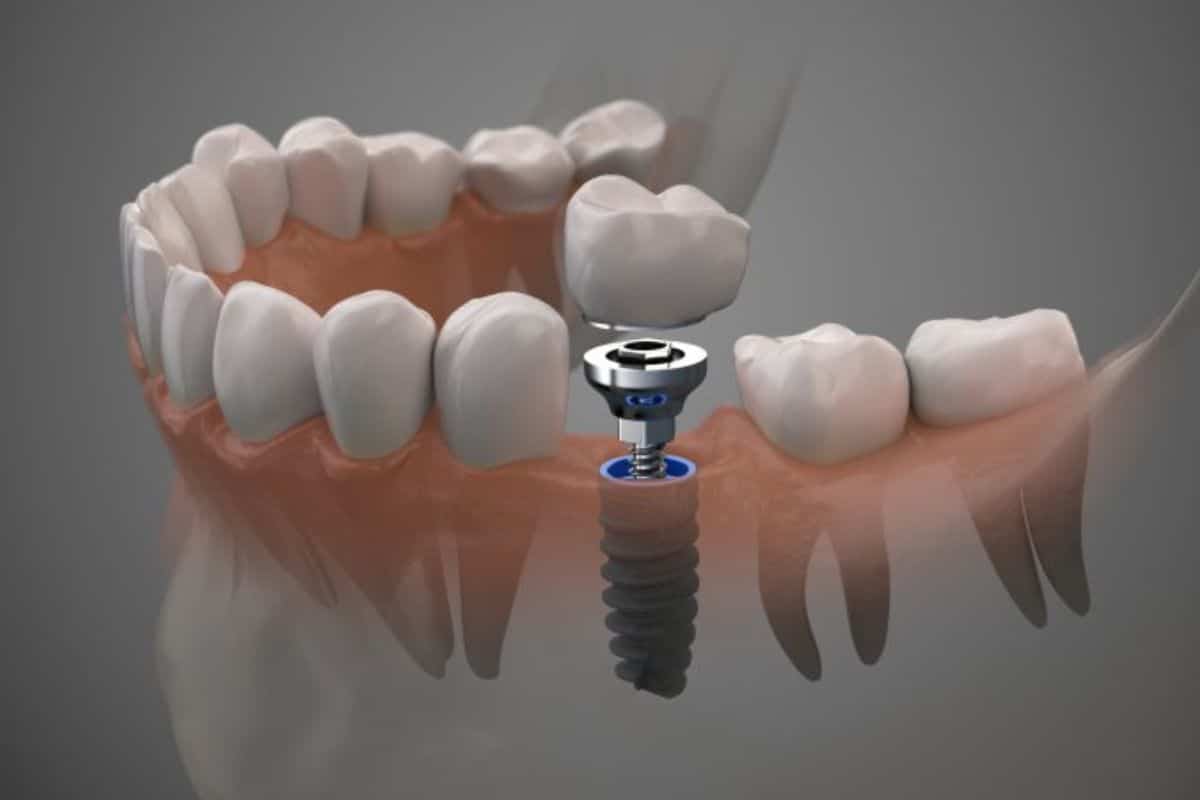
Dental implants are a long-lasting solution for missing teeth. However, bad habits can undermine their durability and health. To ensure your implants last a lifetime, avoiding harmful behaviors that could cause damage is crucial. Let’s explore some common lifestyle choices that you should stop immediately to protect your dental implants.
Common Lifestyle Habits to Avoid for Protecting Dental Implants
1. Teeth Grinding (Bruxism): A Silent Destroyer
Grinding your teeth, also known as bruxism, can severely damage dental prosthetics. The excessive pressure from grinding can cause the implant to shift or fail. It may also wear down the crown, shortening its lifespan. If you grind your teeth at night, discuss with your dentist how to get a custom mouthguard. Protecting your implants from excessive force is crucial for their longevity.
2. Smoking: A Major Risk for Dental Implant Failure
Smoking is one of the worst habits that hamper dental implant success. It slows down healing and increases the risk of implant failure. Smoking reduces blood flow to the gums, making it harder for your implants to integrate with the jawbone. Additionally, smoking heightens the risk of infection and gum disease, both of which can damage your implants. Quitting smoking not only improves your overall health but also boosts your chances of implant success.
3. Nail Biting: A Habit That Wears Down Implants
Nail biting is a behavior that many people overlook, but it can harm your implants. Constant pressure from biting on hard surfaces, like nails, can cause the implant to loosen or crack the crown. Biting nails can also lead to jaw tension and discomfort. Discontinuing this practice will help protect your implants and prevent unnecessary wear and tear on your teeth.
4. Using Teeth as Tools: A Recipe for Disaster
Using your teeth to open packages or bottles may seem convenient, but it’s a dangerous habit. Your dental implants are strong, but they’re not designed to withstand such force. Using them as tools can crack or chip the crown, leading to costly repairs or replacements. Always use the proper tools for the job and avoid putting unnecessary strain on your implants.
5. Chewing on Hard Objects: An Easy Way to Damage Implants
Chewing on ice, pens, or other hard objects can easily damage dental implants. These actions stress your teeth unnecessarily, leading to cracks or fractures. While dental implants are strong, they’re not unbreakable. Stick to soft foods, especially during the initial healing phase. Your dentist often advises avoiding chewing on hard items to protect your implants from harm.
6. Poor Oral Hygiene: A Risk to Implant Longevity
Improper oral hygiene maintenance can be disastrous for dental implants. Just like natural teeth, implants need daily care to stay healthy. Poor brushing and flossing techiques can lead to gum disease, which weakens the surrounding tissues and bone. This increases the risk of implant failure over time. Commit to a regular oral care routine that includes brushing twice a day, flossing, and visiting your dentist for checkups.
7. Skipping Regular Dental Visits: Neglect Hurts
Routine consultations are essential to monitor the health of your dental implants in Phoenix, AZ. Skipping checkups can result in undetected issues like gum disease or implant loosening. Your dentist uses these appointments to ensure your implants function properly and address any concerns early on. Besides, regular cleanings also help remove plaque buildup, which can affect the health of your gums and surrounding teeth.
8. Alcohol Consumption: Slows Healing and Weakens Implants
Excessive alcohol consumption is another lifestyle choice that negatively affects the effectiveness of implants. Alcohol interferes with the body’s ability to heal and can slow down the recovery process after implant surgery. Over time, alcohol abuse can also contribute to gum disease, which increases the risk of implant failure. Remember, limiting alcohol intake can support healthier gums and a stronger implant foundation.
Your dental implants are an investment in your smile, and keeping them in top shape requires avoiding harmful actions. From teeth grinding to nail biting, even small daily habits can affect your implants’ longevity.
Implants can last a lifetime by practicing good oral hygiene, attending regular dental checkups, quitting smoking, and avoiding hard objects. Embrace these actions now to safeguard your smile and fully enjoy the benefits of your prosthetic teeth. Don’t let certain behaviors stand between you and a healthy, confident smile—protect your investment and keep your implants in top condition for years to come!