Visit 7 North Dental Today Or Call: 602-230-0811

Dental Implants vs. Bridges: Benefits Compared
People must frequently choose between dental implants and bridges when replacing lost teeth. Knowing the distinct benefits of each option will enable you to choose the one that best meets your demands for oral health. We’ll examine the benefits of dental bridges and implants in this post, illuminating the advantages of these well-liked tooth replacement options.
1. Dental Implants: A Permanent and Natural Solution
Restorative dentistry has been transformed by dental implants, which provide a durable and aesthetically pleasing replacement for lost teeth.
Osseointegration for Stability
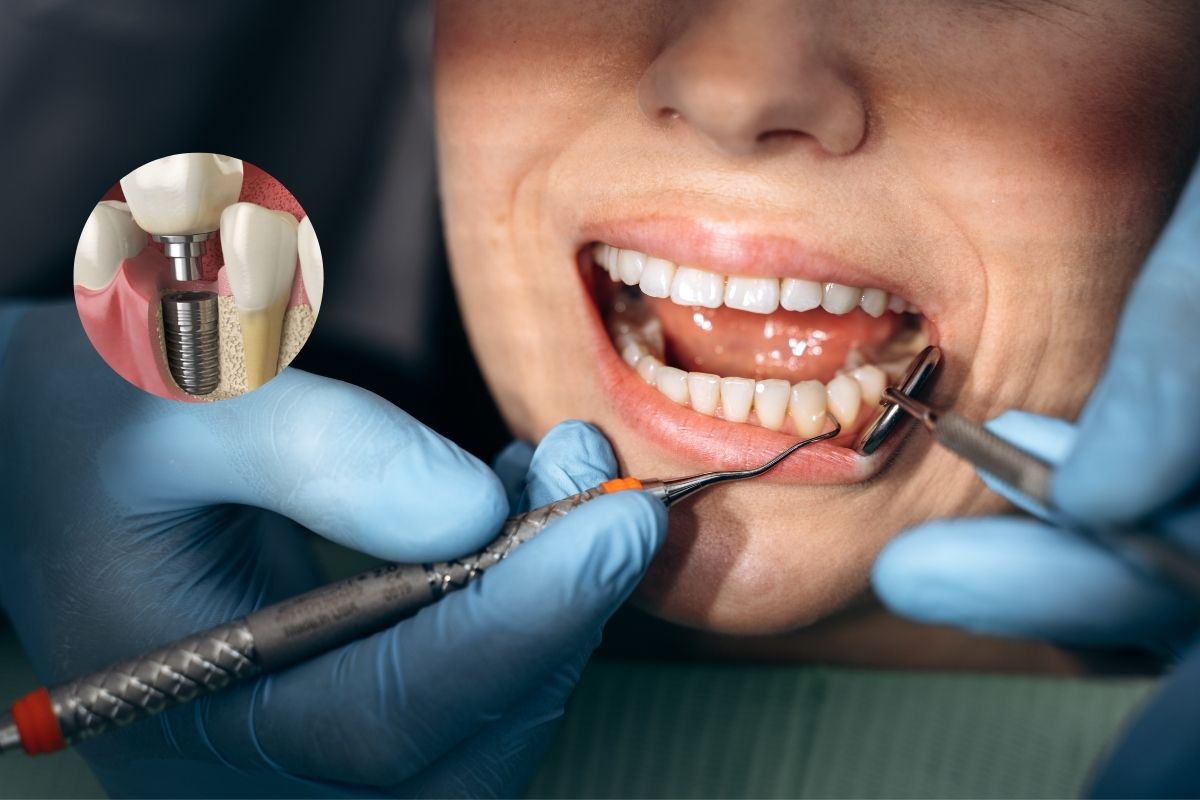
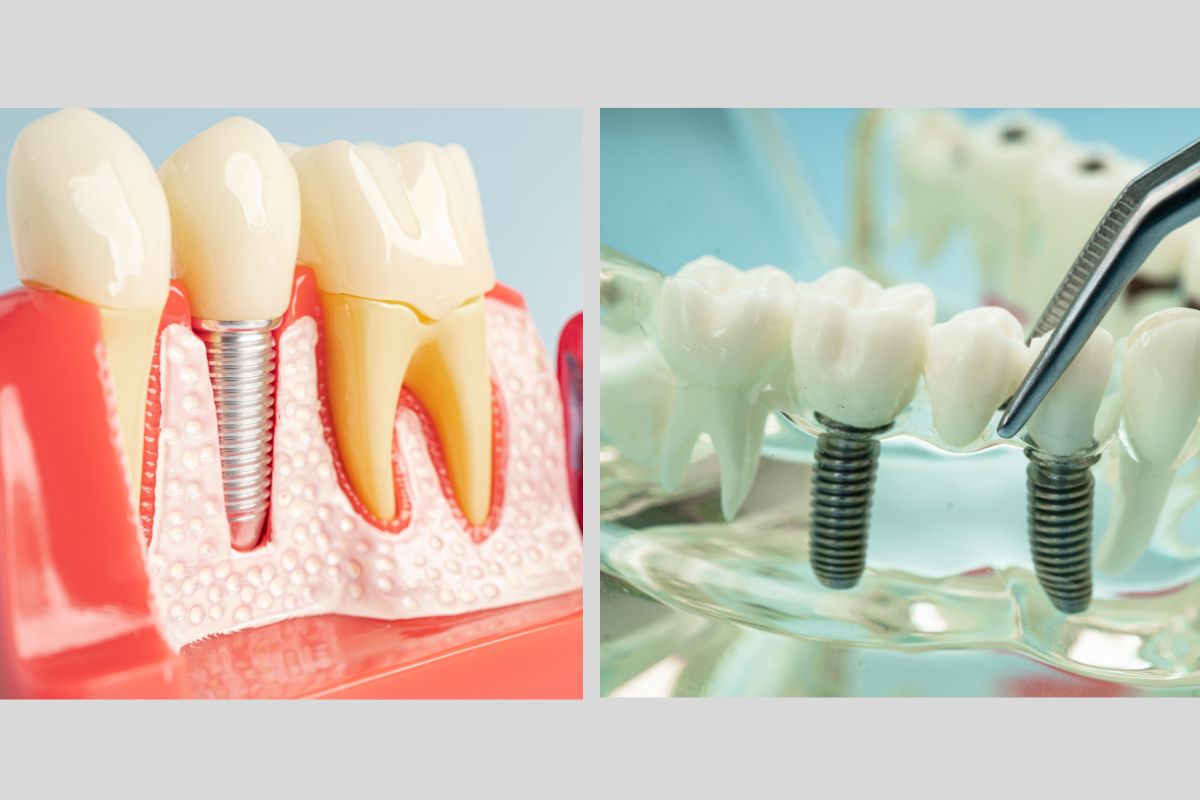
The osseointegration process of dental implants is one of its main advantages. The implant, which is usually composed of titanium, merges with the jawbone to provide the replacement tooth a strong base. This integration prevents bone loss that is frequently linked to tooth loss and guarantees the longevity of the implant by stimulating the surrounding bone.
Lifelike Aesthetics
The look of implants is intended to resemble that of real teeth. To create a seamless and natural-looking smile, the crown that is put on the implant is built to order to match the colour, shape, and size of your natural teeth. This aesthetic benefit is especially helpful for people who are worried about how tooth replacements would look.
Preservation of Adjacent Teeth
Dental implants don’t need the support of neighbouring teeth like bridges do. Given that they are not need to be modified or utilised as anchors, this independence guarantees the preservation of neighbouring, healthy teeth. Because of this, implants are a cautious choice that enhances oral health in general.
2. Bridges: Traditional and Effective
For many years, dental bridges have been a dependable solution for replacing lost teeth. They have a number of benefits that make people like using them.
Quick and Non-Invasive Procedure
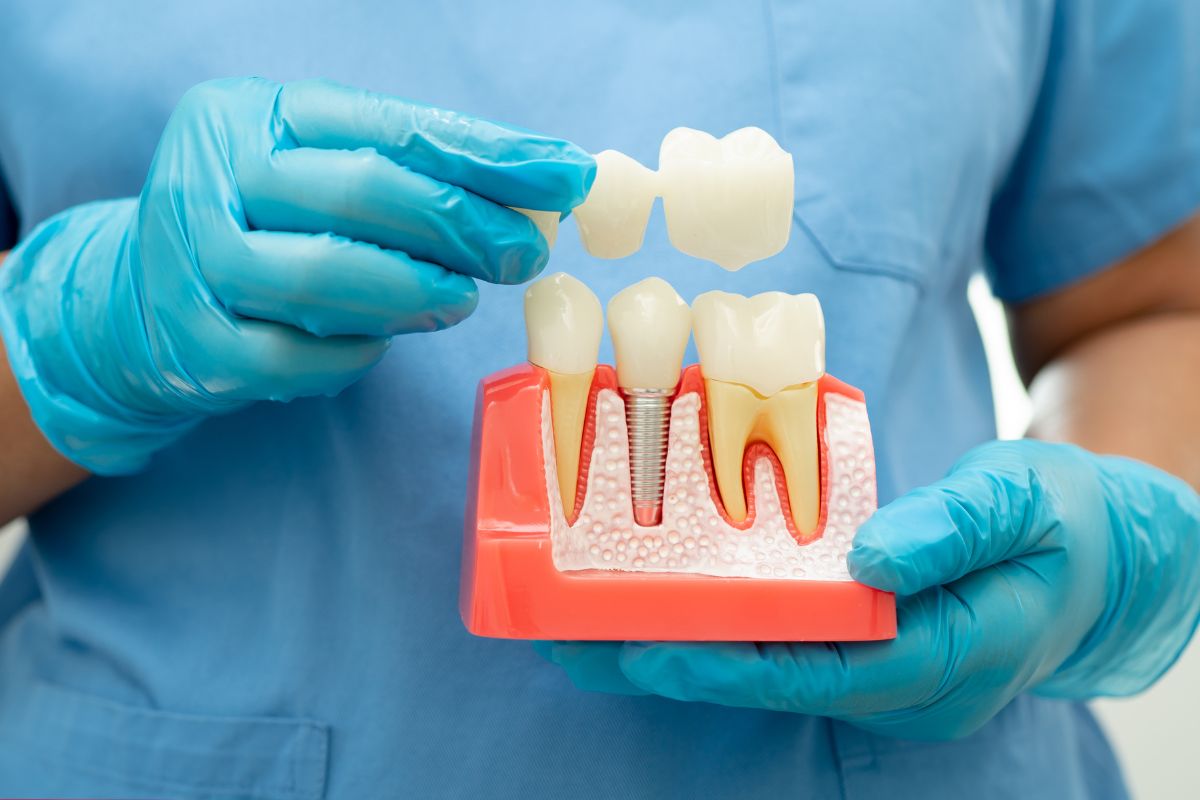
Compared to dental implant surgery, getting a dental bridge usually involves less downtime and is quicker. Bridges are fastened to neighbouring teeth, or abutments, that are ready to sustain the construction of the bridge. This short process may be appealing to people looking for a fast way to replace lost teeth.
Cost-Effective Option
Cost plays a big role in the decision-making process for certain patients. When considering options, dental bridges may be less expensive than dental implants. Even if the initial outlay can be smaller, it’s important to account for the long-term expenditures of anticipated maintenance and replacements.
Effective for Multiple Missing Teeth
For people who have several nearby missing teeth, bridges are a workable option. A bridge can successfully replace several missing teeth at once by using anchoring to nearby teeth on both sides of the gap. In situations when there has been significant tooth loss, this can be helpful in restoring both appearance and functioning.
3. Making the Right Choice for You
The decision between dental bridges and implants is influenced by a number of variables, such as personal preferences, financial constraints, and oral health. You may make an informed choice depending on your situation by speaking with a licenced dentist.
Individualized Treatment Plans
A dentist will examine you thoroughly and identify the best course of treatment for you. When developing a customised treatment plan, variables including the state of your jawbone, any missing teeth, and your general dental health will be taken into account.
Long-Term Considerations
Although dental bridges and implants have advantages, it’s important to think about each option’s long-term effects. For some people, especially those looking for a permanent solution, dental implants may be a more sustainable option due to its potential for lifetime usage.
Maintenance and Care
To ensure the lifespan of dental implants and bridges, it is essential to comprehend their maintenance needs. While bridges may require extra care to clean beneath the artificial tooth and preserve the health of supporting teeth, implants usually just require regular oral hygiene procedures comparable to those for natural teeth.
Conclusion
In conclusion, the right choice between dental implants and bridges depends on your unique dental needs, goals, and preferences. Each option offers its own benefits. After a thorough consultation, your dentist can help determine the best solution for your oral health, smile goals, and lifestyle.
Whether you choose the long-term durability of dental implants or the convenience of a dental bridge, both options are designed to restore your smile. The goal is to improve oral function and enhance your overall quality of life. Visit 7 North Dental to explore your tooth replacement options and take the next step toward a healthier, more confident smile.