Visit 7 North Dental Today Or Call: 602-230-0811

Chipped or Stained Teeth? Compare Dental Bonding and Veneers

A chipped front tooth or stubborn discoloration can make a small imperfection feel surprisingly noticeable. Fortunately, modern cosmetic dentistry offers several ways to improve these concerns without making your smile look artificial. Two options patients frequently ask us about are dental bonding and veneers.
Both treatments can improve chipped, discolored, uneven, or misshapen teeth. However, they accomplish those improvements differently. Bonding uses tooth-colored composite resin that is applied and sculpted directly on the tooth, while a veneer covers the visible front surface of a tooth to change its appearance.
At 7 North Dental, we help Phoenix patients understand these differences before recommending treatment. Dr. Chadwick Brady and Dr. Chase Wedemeier consider the condition of your teeth, the cosmetic changes you want, your bite, and your long-term expectations when helping you determine which approach fits your smile.
Dental Bonding vs. Veneers: What Is the Main Difference?
The primary difference is how each treatment changes the tooth.
Dental bonding involves applying tooth-colored composite resin directly to the affected area. We carefully select a shade, shape the material, harden it with a curing light, and polish it to blend with the surrounding tooth. It can be particularly useful when the cosmetic concern is limited to a specific area.
Veneers are thin coverings placed over the front surfaces of teeth. They can alter several visual characteristics simultaneously, including color, shape, proportion, and the appearance of certain chips or minor spacing concerns.
Neither approach is automatically better. The appropriate choice depends on what needs to be corrected and how extensive the desired change is.
How Does Dental Bonding Work for Chipped Teeth?
Small chips are among the most common reasons patients consider bonding.
Suppose a healthy front tooth has lost a small portion of its edge. Composite resin can be added to rebuild that missing area. We shape the material to reproduce the tooth’s natural contours and then polish it so the transition between tooth and resin appears smooth.
At our practice, cosmetic bonding in Phoenix can also be considered for cracks, minor gaps, discoloration, and certain small irregularities in tooth shape.
One advantage of bonding is its conservative nature. Only limited tooth preparation may be necessary, depending on the individual situation. Treatment can also be relatively quick. At 7 North Dental, bonding is typically completed in approximately 30 to 60 minutes per tooth, depending on the complexity involved.
Can Veneers Fix Chipped Teeth?
Yes. Veneers can be an excellent option when a chipped tooth requires a broader cosmetic change rather than simply rebuilding one small area.
For example, a patient may have a chipped front tooth that is also unevenly shaped or noticeably different in color from neighboring teeth. A veneer can address multiple visual concerns by covering the visible surface of the tooth.
Veneers may also be considered when several teeth across the smile have chips, uneven proportions, discoloration, minor spacing, or other cosmetic imperfections.
At 7 North Dental, veneers are used for concerns including stained or discolored teeth, small gaps, chipped teeth, crooked or misshapen teeth, and certain older dental work that needs cosmetic improvement.
Which Is Better for Discolored Teeth?
This depends largely on the nature and extent of the discoloration.
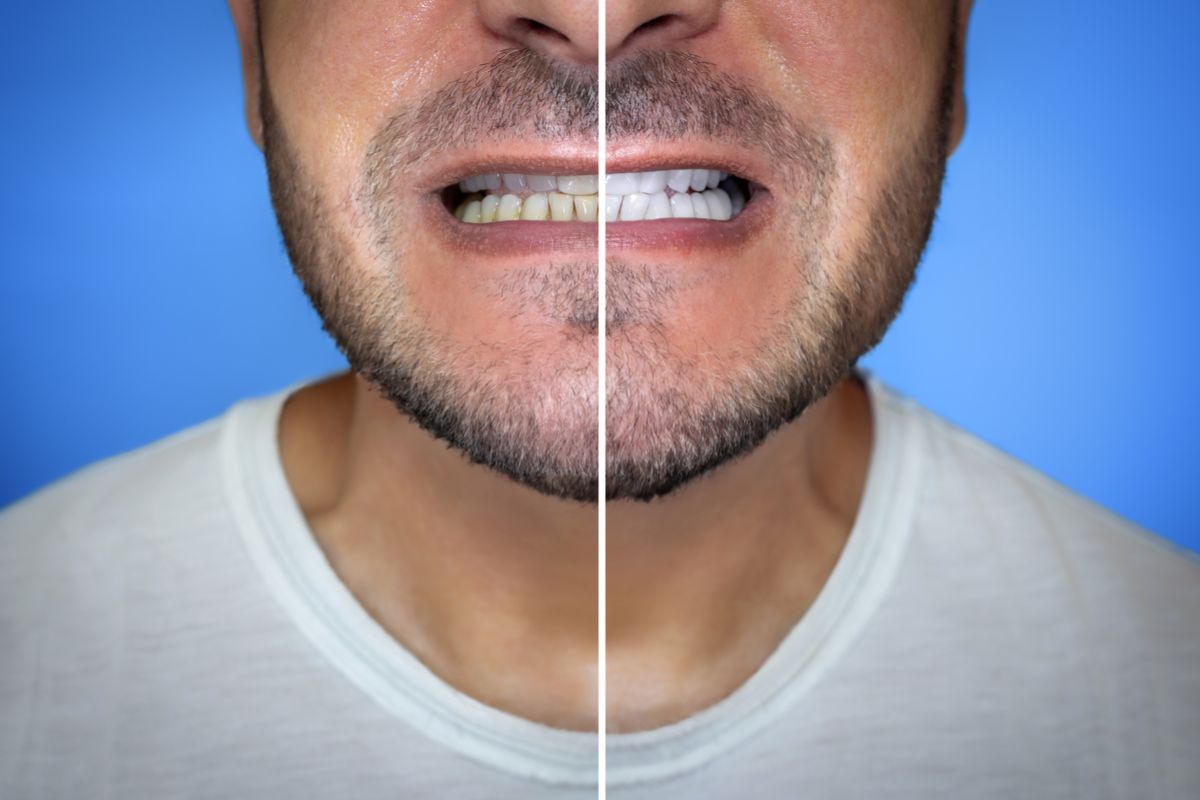
Bonding can mask a localized area of discoloration by covering it with carefully selected composite resin. It can be useful when only one tooth or a small portion of a tooth needs improvement.
Veneers can be considered when discoloration affects a larger visible surface or when patients want to change color along with tooth shape, proportion, or symmetry.
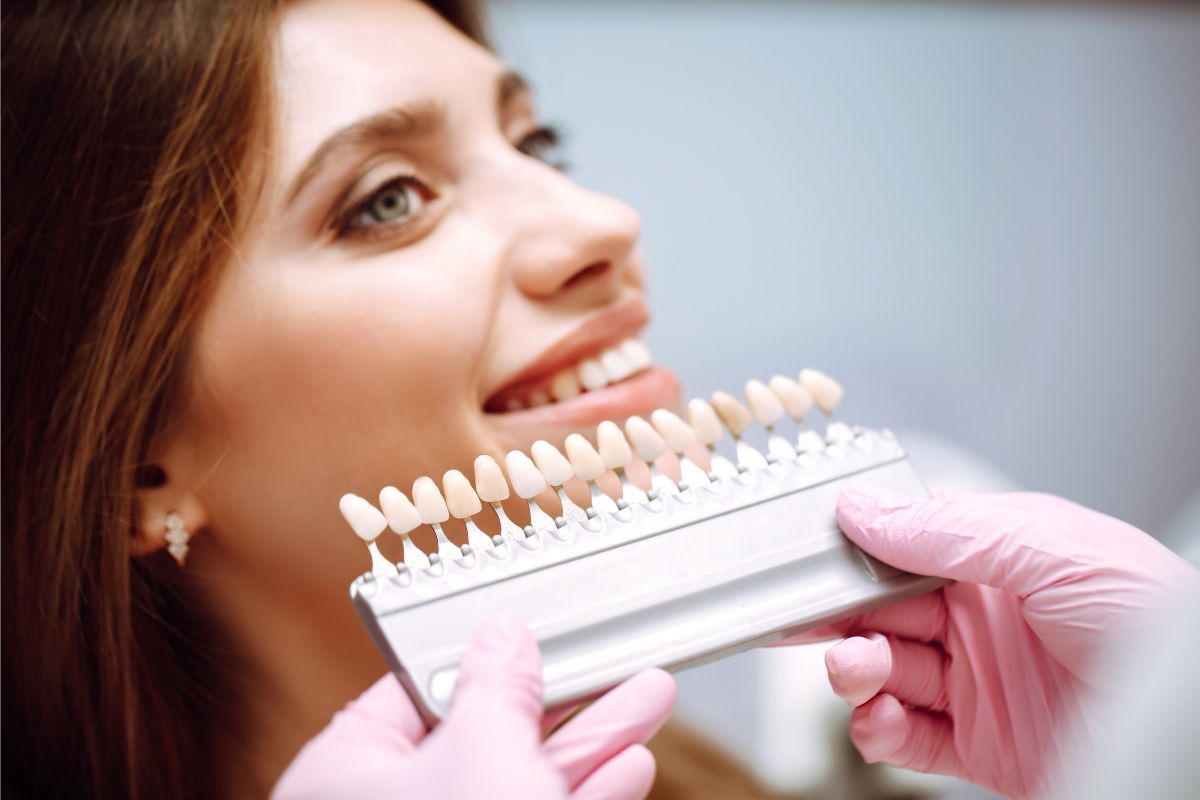
Shade planning is particularly important. Cosmetic treatment should complement neighboring teeth rather than create a noticeable mismatch. During your consultation, we evaluate the teeth individually and as part of your complete smile.
How Do Bonding and Veneers Compare in Appearance?
Both can produce natural-looking improvements when properly planned.
With bonding, composite resin is selected to coordinate with the surrounding enamel. Because the material is shaped directly on the tooth, we can refine contours, edges, and proportions during treatment.
Veneers are designed specifically for the teeth being treated and can provide precise control over color, shape, size, and symmetry. They can therefore be useful when a patient wants coordinated changes involving several cosmetic characteristics.
The goal should not simply be noticeably whiter or more uniform teeth. We generally want the treated teeth to complement your facial features and surrounding natural teeth.
Which Treatment Preserves More Natural Tooth Structure?
Patients increasingly ask us how much their teeth need to be altered before cosmetic treatment. It is an important question.
Bonding is generally a conservative procedure. At 7 North Dental, the tooth surface is gently prepared before the resin is applied, shaped, cured, and polished. In many situations, significant enamel removal is unnecessary.
Veneer treatment may require preparation of the tooth so the restoration can fit appropriately and create natural proportions. The exact amount depends on your teeth and treatment plan.
For patients researching cosmetic bonding in Phoenix, preserving natural tooth structure may therefore be an important factor to discuss during a cosmetic consultation.
How Long Do Dental Bonding and Veneers Last?
Both treatments require proper care, and neither should be considered permanent for every patient.
According to our treatment guidance at 7 North Dental, dental bonding typically lasts approximately 3 to 10 years. Longevity varies based on oral hygiene, diet, bite pressure, habits, and where the bonded material is located.
Veneers are also designed to provide lasting cosmetic improvement. Their lifespan varies according to the material, bite, oral habits, home care, and regular dental maintenance.
Regardless of which option you choose, avoid using your teeth to open packages or bite non-food objects. Patients who clench or grind their teeth should also discuss this habit with their dentist because repeated bite forces can affect cosmetic dental work.
Is Bonding or Veneers Faster?
Bonding generally has the simpler treatment timeline.
At 7 North Dental, bonding can often be completed in one appointment. After selecting the appropriate shade, we prepare the tooth, apply and shape the resin, harden it with a specialized light, and complete the final polishing.
Veneers generally involve additional planning because the restoration must be designed to fit the individual tooth or teeth. Our veneers page notes that patients can achieve their new smile within a few office visits.
For someone who has a small chip and wants a focused cosmetic repair, treatment time can therefore be one consideration. Patients seeking changes involving several teeth may prioritize the broader cosmetic possibilities veneers provide.
Who May Be a Candidate for Dental Bonding?
Bonding may be considered when a patient has:
- Small chips or cracks
- Localized discoloration
- Minor spaces between teeth
- Slightly irregular tooth shapes
- Minor cosmetic misalignment
- A desire for conservative cosmetic improvement
However, we still need to examine the tooth before recommending treatment. A tooth that looks cosmetically chipped could have another underlying problem that needs attention first.
During an evaluation for cosmetic bonding in Phoenix, we assess the tooth itself as well as how your upper and lower teeth come together. This helps us determine whether bonding can provide a predictable result for your particular concern.
Who May Benefit From Veneers?
Veneers can be considered when patients want to address one or several visible concerns, particularly across front teeth.
Possible concerns include persistent discoloration, chips, misshapen teeth, minor gaps, or teeth whose proportions interfere with overall smile symmetry. Because veneers cover the visible front surface, they offer considerable flexibility when changing multiple aesthetic characteristics at once.
This does not mean every patient seeking a more noticeable transformation automatically needs veneers. Treatment should remain proportional to the actual concern and the patient’s goals.
Can You Combine Bonding and Veneers?
In some situations, different teeth may have different cosmetic needs.
One tooth might require only a small amount of composite to repair an edge, while another could benefit from broader coverage. Rather than assuming every visible tooth requires identical treatment, we evaluate how each tooth contributes to the overall smile.
A carefully planned cosmetic approach is about creating consistency. Material, shade, shape, tooth proportions, bite forces, and existing dental work all need to be considered together.
How Do We Decide Which Option Is Right for You?
When patients ask us whether bonding or veneers are “better,” we encourage them to think about the decision differently. The question should be: Which treatment is better suited to my teeth and goals?
During an evaluation, we consider:
- The size and location of a chip
- Whether discoloration is localized or widespread
- The number of teeth involved
- Existing enamel and overall tooth health
- Tooth shape and proportions
- Bite forces and grinding habits
- Desired longevity
- How extensive a cosmetic change you want
For a small isolated imperfection, bonding may provide the focused change you are looking for. For broader concerns involving color, shape, proportions, or several teeth, veneers may offer the type of coverage needed.
Both can have an important place in cosmetic dentistry.
Choosing Between Bonding and Veneers in Phoenix, AZ
Living in Phoenix does not change the fundamental principles of cosmetic dentistry, but having ongoing care nearby makes consultations, routine examinations, maintenance, and any future touch-ups more convenient.
At 7 North Dental, our office at 7150 N 7th St in Phoenix provides both bonding and veneers, allowing us to evaluate your smile without approaching the consultation with only one cosmetic option available.
If you are considering cosmetic bonding in Phoenix or want to know whether veneers would better accomplish your goals, an in-person examination provides the clearest answer. We can evaluate your tooth structure, discuss the changes you want, and explain what you can realistically expect from each option.
Create a Smile That Still Looks Like You
Choosing between dental bonding and veneers should not be about selecting the treatment that sounds more impressive. It should be about finding the appropriate level of treatment for your individual smile.
Bonding can provide a conservative and efficient way to correct many localized chips, stains, gaps, and shape concerns. Veneers can address broader cosmetic changes involving color, proportions, shape, and multiple visible imperfections. Both can produce attractive, natural-looking results when selected for the right reasons.
If chipped or discolored teeth are keeping you from feeling comfortable with your smile, schedule a consultation with 7 North Dental in Phoenix, AZ. We can examine your teeth, understand what you would like to change, and help you make an informed decision between bonding and veneers.
Frequently Asked Questions
1. Is bonding or a veneer better for one chipped front tooth?
For a small isolated chip, bonding can efficiently rebuild the missing area while preserving natural tooth structure. A veneer may be considered when the tooth also has significant discoloration, uneven proportions, or other cosmetic concerns requiring broader coverage.
2. Does dental bonding stain more easily than veneers?
Composite bonding can gradually absorb pigments from coffee, tea, wine, tobacco, and other staining substances. Veneer materials may offer greater stain resistance. Regular cleaning and sensible dietary habits help maintain the appearance of either cosmetic treatment longer.
3. Can bonding fix severely discolored teeth?
Bonding can mask certain areas of discoloration using tooth-colored composite resin. Whether it can adequately cover deeper or widespread discoloration depends on the individual tooth. Your dentist can assess color, enamel condition, and desired final shade.
4. Can I get a veneer on only one front tooth?
Yes, a veneer may be placed on a single tooth when clinically appropriate. Careful shade, shape, and translucency planning are especially important because the restoration needs to blend naturally with the untreated teeth immediately surrounding it.
5. Can bonded teeth be repaired if the material chips?
In many cases, chipped or worn composite bonding can be evaluated and repaired or replaced. The appropriate solution depends on how much material is damaged, the underlying tooth condition, and whether bite forces contributed to the problem.
6. Do veneers or bonding require special daily care?
Neither usually requires complicated daily maintenance. Brush thoroughly, floss between teeth, attend routine dental examinations, and avoid using treated teeth as tools. Patients who grind their teeth should discuss protecting their cosmetic dental work with their dentist.
7. How do I know whether bonding or veneers will look more natural?
Both treatments can look natural when appropriately planned. The result depends on shade matching, tooth proportions, material selection, surrounding teeth, and treatment technique. A cosmetic evaluation helps determine which approach can achieve your desired appearance.