Visit 7 North Dental Today Or Call: 602-230-0811

Cosmetic Bonding Candidacy: Are You a Good Candidate?
Not every cosmetic dental concern calls for veneers or a complete smile makeover. Sometimes, a small chip, a worn edge, or a slight gap between your teeth is all that’s standing between you and a smile you feel confident sharing.
That’s where cosmetic bonding can make a big difference.
Also known as dental bonding or composite bonding, this treatment is one of the quickest and most affordable ways to improve the appearance of your teeth. In many cases, it can be completed in a single office visit with little to no removal of your natural tooth structure.
While bonding is an excellent option for many people, it isn’t the right solution for everyone. The best way to know if you’re a good candidate is through a professional evaluation, but understanding what makes someone a suitable candidate can help you decide whether it’s worth exploring.
If you’re considering cosmetic bonding in Phoenix, here’s what you should know before scheduling your consultation.
What Is Cosmetic Bonding?
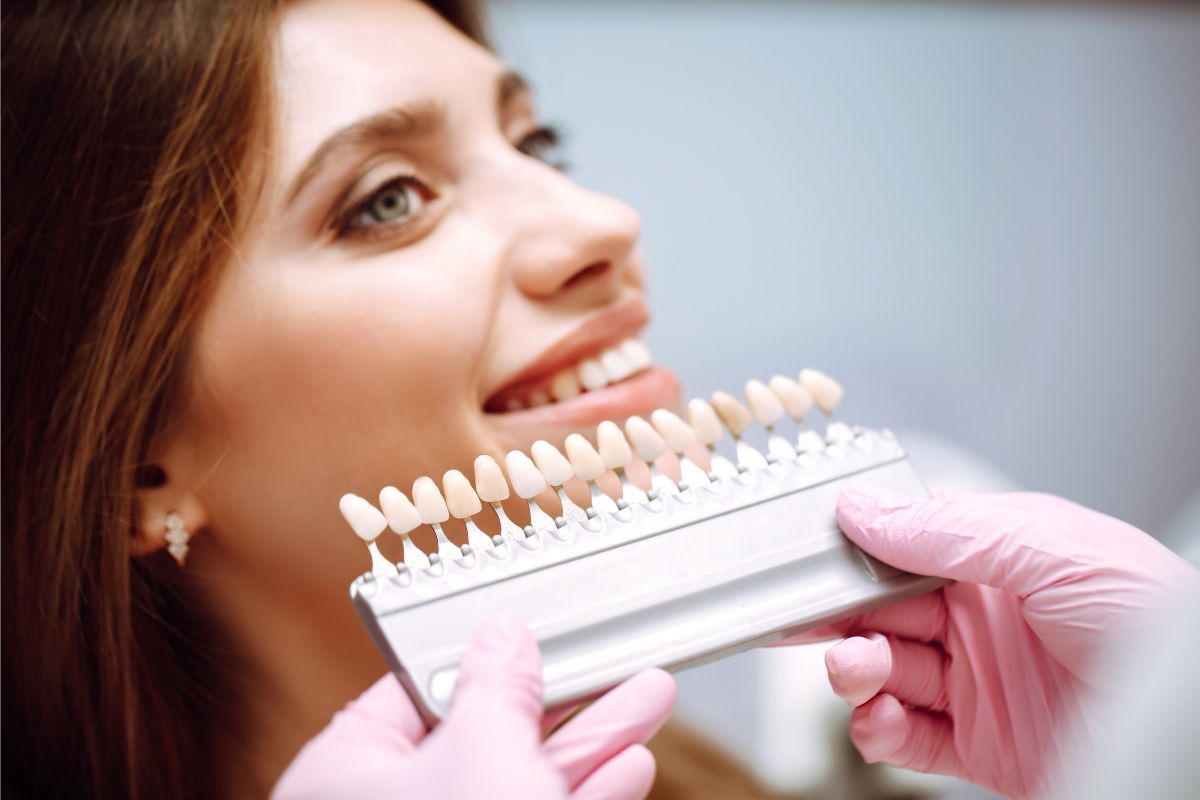
Cosmetic bonding is a cosmetic dentistry procedure that uses a tooth-colored composite resin to repair or enhance the appearance of a tooth. The resin is carefully applied, sculpted, and polished so it blends naturally with your surrounding teeth.
One of the biggest reasons patients choose bonding is its simplicity. Unlike porcelain veneers or dental crowns, bonding usually requires little to no enamel removal, making it one of the most conservative cosmetic treatments available.
Depending on the number of teeth being treated, most appointments take about 30 to 60 minutes per tooth. You’ll typically leave the office with immediate results, making bonding a popular choice for patients preparing for weddings, job interviews, graduations, or other important events.
What Can Cosmetic Bonding Improve?
Dental bonding works best for correcting small cosmetic imperfections rather than major dental problems. If your teeth are generally healthy but have a few noticeable flaws, bonding may be all you need.
Your dentist may recommend cosmetic bonding to improve:
- Small chips or minor cracks
- Tiny spaces between teeth
- Teeth that appear slightly uneven or misshapen
- Worn tooth edges
- Stubborn discoloration that doesn’t respond to whitening
- Teeth that look shorter than surrounding teeth
- Minor surface defects or enamel irregularities
Because the composite resin is color-matched to your natural teeth, the final result is designed to blend seamlessly with your smile.
Are You a Good Candidate for Cosmetic Bonding?
There’s no one-size-fits-all answer. Every smile is different, and your dentist will consider several factors before recommending treatment.
If you’re considering cosmetic bonding in Phoenix, understanding these factors can help you determine whether you’re likely to be a good candidate. In general, you’re more likely to benefit from treatment if the following apply to you.
Your Teeth and Gums Are Healthy
Before any cosmetic treatment, your oral health comes first.
If you have untreated cavities, gum disease, or an active infection, those issues should be addressed before improving the appearance of your teeth. Bonding adheres best to healthy tooth structure, and treating existing dental problems first helps ensure longer-lasting results.
Many patients are surprised to learn that cosmetic dentistry often begins with preventive care. A healthy foundation allows cosmetic treatments to look better and last longer.
You’re Looking to Correct Small Cosmetic Flaws
Bonding is designed for subtle improvements rather than dramatic changes.
For example, if you’ve chipped a front tooth while eating, have a small gap that’s always bothered you, or want to smooth an uneven edge, bonding can often provide a simple solution.
During consultations, dentists frequently see patients who assume they need veneers when bonding can achieve the result they’re looking for with less time, lower cost, and a more conservative approach.
However, if a tooth has extensive damage or large areas of missing structure, a crown or another restorative treatment may offer better long-term protection.
You Want a Conservative Treatment Option
One of the biggest advantages of cosmetic bonding is that it preserves your natural tooth.
Unlike some cosmetic procedures that require reshaping the tooth beforehand, bonding can often be completed with little or no alteration to healthy enamel. That makes it an appealing option for patients who want to improve their smile while maintaining as much natural tooth structure as possible.
If preserving healthy teeth is one of your priorities, bonding is certainly worth discussing with your dentist.
You Want Fast Results
Some cosmetic treatments require multiple appointments or several weeks to complete. Bonding is different.
In many cases, your dentist can complete treatment during a single visit, allowing you to walk out with a noticeably improved smile the very same day.
That’s one reason bonding is a popular choice for patients who have an upcoming event or simply don’t want a lengthy treatment process.
You Have Realistic Expectations
Cosmetic bonding can create impressive improvements, but it’s important to understand what it can and can’t do.
Bonding is excellent for repairing minor flaws, improving symmetry, and enhancing the appearance of individual teeth. However, it isn’t designed to completely transform severely worn, crooked, or damaged teeth.
Patients who understand the strengths of bonding are often the happiest with their results because they know they’re choosing the right treatment for the right situation.
You Take Good Care of Your Teeth
Even though the composite resin used for bonding is durable, it still requires proper care.
Patients who brush twice a day, floss daily, and visit the dentist for regular cleanings generally enjoy longer-lasting results than those with inconsistent oral hygiene habits.
Simple lifestyle choices also make a difference. Using your teeth to open packages, chewing on ice, or biting fingernails can chip bonded teeth just as they can natural enamel.
When Cosmetic Bonding May Not Be the Best Choice
Although bonding is an excellent option for many people, it isn’t the ideal solution in every situation.
Your dentist may recommend another treatment if you have:
Severe Tooth Damage
If a tooth has lost a significant amount of structure because of decay or trauma, a dental crown may provide better strength and protection than bonding alone.
Significant Bite Problems
If your teeth are severely crowded or misaligned, orthodontic treatment such as Invisalign® may be recommended before addressing cosmetic concerns.
Teeth Grinding or Clenching
Patients who grind or clench their teeth place additional pressure on bonded teeth, increasing the likelihood of chips or fractures. In some cases, your dentist may recommend wearing a custom night guard to protect your investment.
Advanced Gum Disease
Healthy gums are essential for successful cosmetic treatment. If gum disease is present, your dentist will typically recommend treating it before moving forward with bonding.
Extensive Discoloration
Bonding can effectively cover small areas of discoloration, but if you’re hoping to dramatically change the color of several front teeth, porcelain veneers may provide more consistent and longer-lasting aesthetic results.
Why Many Phoenix Patients Choose Cosmetic Bonding
For patients looking to make subtle improvements without extensive dental work, cosmetic bonding offers an appealing balance of affordability, convenience, and natural-looking results.
Many people choose bonding because it:
- Can often be completed in one appointment
- Preserves most of the natural tooth structure
- Requires little to no downtime
- Produces immediate cosmetic improvements
- Blends naturally with surrounding teeth
- Costs less than many other cosmetic dentistry procedures
Most importantly, cosmetic bonding allows many patients to address the small imperfections they’ve noticed for years without committing to more extensive treatment.
Visit our dental practice in Phoenix to receive a personalized evaluation and discover how cosmetic bonding can help you achieve a more confident, natural-looking smile.
Conclusion
Cosmetic bonding is a simple, affordable way to enhance your smile without extensive dental treatment. Whether you’re looking to repair a chipped tooth, close a small gap, or improve the shape of a tooth, bonding can deliver natural-looking results in as little as one visit.
The key is choosing the right treatment for your unique smile. During a consultation, your dentist will evaluate your oral health, discuss your cosmetic goals, and recommend whether cosmetic bonding or another treatment is the best fit for achieving long-lasting results.
If you’re considering cosmetic bonding in Phoenix, AZ, our experienced team is here to help. We’ll answer your questions, explain your treatment options, and create a personalized plan to help you achieve a smile you’ll feel confident sharing.
Ready to see if you’re a good candidate for cosmetic bonding? Book your appointment today and take the first step toward a healthier, more attractive smile.
Frequently Asked Questions About Cosmetic Bonding
1. Is cosmetic bonding painful?
In most cases, no. Cosmetic bonding is a comfortable procedure that usually doesn’t require anesthesia because very little, if any, natural tooth structure is removed. If bonding is being used to repair a cavity or damaged tooth, your dentist may recommend a local anesthetic to keep you comfortable.
2. How long does cosmetic bonding last?
With good oral hygiene and regular dental checkups, cosmetic bonding can last 3 to 10 years. Its lifespan depends on factors such as where the bonding is placed, your bite, daily habits, and whether you grind or clench your teeth.
3. Can cosmetic bonding fix a chipped front tooth?
Yes. Cosmetic bonding is one of the most common treatments for repairing small chips on front teeth. The composite resin is shaped and polished to match the natural tooth, creating a seamless appearance.
4. Will cosmetic bonding look natural?
Yes. The composite resin is carefully matched to the color of your natural teeth, allowing it to blend in with your smile. When performed by an experienced cosmetic dentist, bonded teeth are often difficult to distinguish from natural teeth.
5. Is cosmetic bonding better than porcelain veneers?
It depends on your goals. Bonding is ideal for correcting minor cosmetic concerns and is generally more affordable and less invasive than veneers. If you’re looking for a more dramatic smile makeover or want a longer-lasting solution, porcelain veneers may be the better option. Your dentist can help you decide which treatment best fits your needs.
6. Can cosmetic bonding close gaps between teeth?
Yes. Bonding is commonly used to close small gaps between teeth without orthodontic treatment. However, if the gaps are large or caused by significant bite issues, Invisalign® or another orthodontic treatment may be recommended instead.
7. Does cosmetic bonding stain over time?
Composite resin is more stain-resistant than many people expect, but it isn’t as stain-resistant as porcelain. Coffee, tea, red wine, tobacco, and dark-colored foods can gradually discolor bonded teeth. Brushing regularly, limiting stain-causing foods and drinks, and scheduling professional cleanings can help keep your bonding looking its best.
8. Can bonded teeth be whitened?
No. The composite resin used in cosmetic bonding does not respond to teeth whitening treatments. If you’re considering whitening your teeth, it’s usually best to do so before bonding so your dentist can match the resin to your brighter tooth shade.