Visit 7 North Dental Today Or Call: 602-230-0811

5 Ways to Whiten Your Teeth
As a dentist, one of the most common add-on questions we hear during routine cleanings is:
“What are the top teeth-whitening options you can recommend as a dentist?”
It’s a great question — because not all whitening methods are created equal.
A white, healthy smile is often associated with confidence and good oral hygiene. But the color of your teeth can change over time due to coffee, tea, red wine, smoking, aging, and even certain medications. That’s why so many patients search for a dentist near me, hoping to find safe and effective whitening solutions.
The good news? There are several professional and at-home options that can brighten your smile — without damaging your enamel.
In this guide, we’ll walk you through five dentist-recommended ways to whiten your teeth safely and effectively, so you can choose what works best for your smile and your lifestyle.
Why Consider Teeth Whitening?
A Brighter Smile Makes a Stronger First Impression
Your smile is often one of the first things people notice about you. Whether you’re meeting someone for the first time, attending a job interview, or speaking in a social setting, a bright smile naturally draws attention.
As a dentist, we often see how even subtle improvements in tooth color can transform a patient’s overall appearance. Whiter teeth can:
- Enhance your facial features
- Make you look more refreshed and youthful
- Improve the harmony of your smile
- Leave a positive, lasting impression
Tooth discoloration, on the other hand, may distract from an otherwise healthy smile. That’s why many patients who search for a dentist near me ask about safe and effective whitening options.
The Confidence Connection
Teeth whitening isn’t just cosmetic — it’s emotional.
There is a strong psychological link between how we feel about our smile and how confidently we present ourselves. When patients feel self-conscious about stained or yellowed teeth, they may:
- Avoid smiling in photos
- Cover their mouth when laughing
- Speak less in group settings
- Feel hesitant in professional interactions
Whiter teeth often lead to a noticeable boost in self-confidence. Patients frequently tell their dentist they feel more comfortable smiling, speaking, and engaging socially after whitening treatment.
More Than Just Appearance
While teeth whitening is primarily aesthetic, it often encourages better oral habits. Patients who invest in their smile are more likely to:
- Maintain regular dental cleanings
- Improve brushing and flossing routines
- Reduce staining habits like smoking
- Stay consistent with follow-up care
Before starting any whitening treatment, it’s important to consult a dentist. A professional evaluation ensures your teeth and gums are healthy and suitable for whitening, protecting both your appearance and overall oral health.
5 Recommended Ways of Teeth Whitening
Proper Brushing and Flossing Techniques
The foundation of a brighter smile begins with consistent and effective oral hygiene. Before considering professional whitening or searching for a “dentist near me,” it’s essential to ensure daily habits are optimized.
Correct brushing and flossing help:
- Remove surface stains before they deepen
- Prevent plaque buildup that dulls enamel
- Reduce tartar formation that contributes to yellowing
- Maintain healthy gums, which enhance overall smile aesthetics
Use a soft-bristled toothbrush and fluoride toothpaste. Brush twice daily for two full minutes and floss at least once per day. Even the most advanced whitening treatments cannot compensate for poor oral hygiene.
Oil Pulling for Oral Hygiene
Oil pulling is an ancient oral hygiene practice that involves swishing coconut or sesame oil in the mouth for 10–15 minutes.
While not a replacement for professional dental care, oil pulling may:
- Reduce harmful bacteria
- Support gum health
- Help minimize mild surface stains
- Improve overall oral freshness
Scientific evidence on significant whitening effects is limited. Patients should consult a dentist before incorporating oil pulling into their routine to ensure it complements their oral health needs.
Baking Soda and Hydrogen Peroxide Paste
A mild paste made from baking soda and hydrogen peroxide is commonly used as a home remedy for surface stain removal.
Baking soda acts as a gentle abrasive, while hydrogen peroxide provides mild whitening properties. When used cautiously and sparingly, this combination may help:
- Remove extrinsic stains
- Brighten enamel slightly
- Improve surface cleanliness
However, excessive use can damage enamel and irritate gums. A dentist should always evaluate enamel health before recommending abrasive remedies.
Healthy Eating Habits
Foods That Naturally Support Whitening
Certain foods contain natural enzymes and mild acids that may assist in reducing surface stains.
Examples include:
- Strawberries (contain malic acid)
- Pineapple (contains bromelain)
- Dairy products (help strengthen enamel)
While these foods do not dramatically whiten teeth, they can contribute to a healthier, brighter appearance when combined with proper oral care.
The Role of Crunchy Fruits and Vegetables
Crunchy fruits and vegetables such as apples, celery, and carrots act as natural cleansers.
They help:
- Stimulate saliva production
- Gently scrub tooth surfaces
- Reduce plaque accumulation
- Neutralize harmful acids
Saliva plays a critical role in protecting enamel and preventing discoloration. A balanced diet supports both oral and overall health.
Professional Whitening Treatments
In-Office Dental Procedures
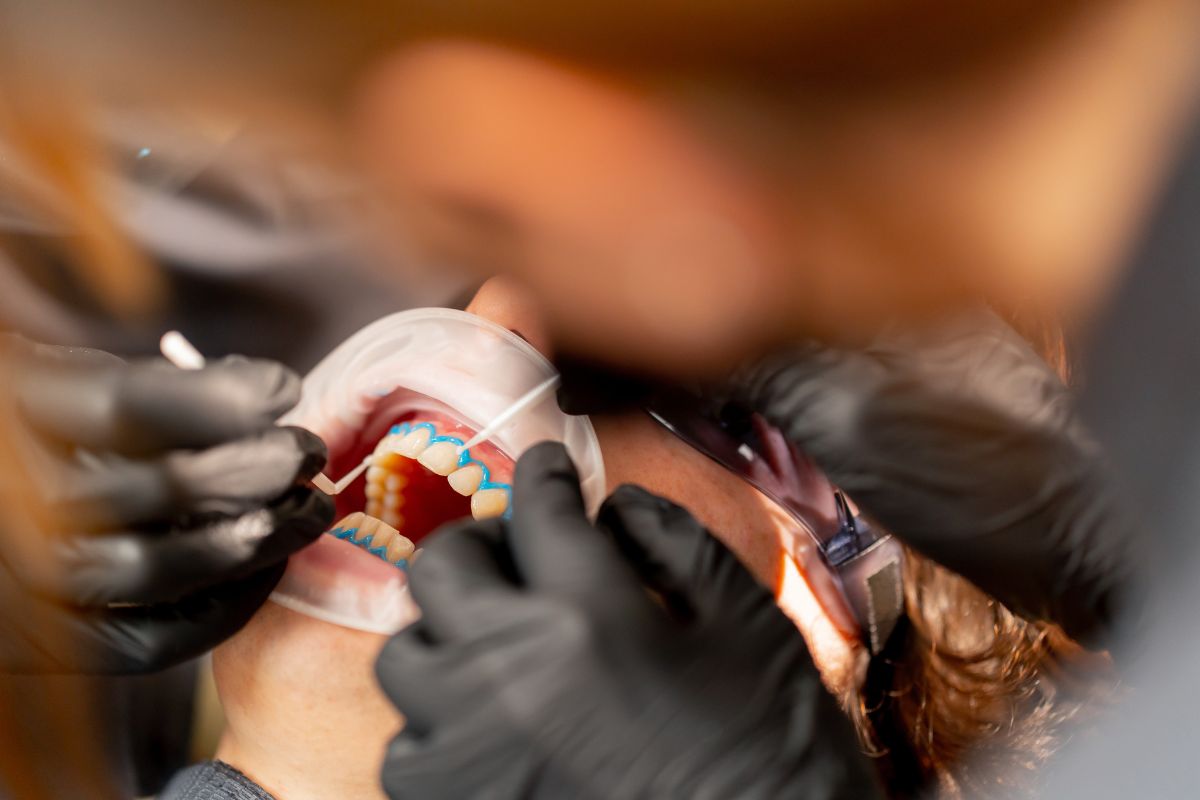
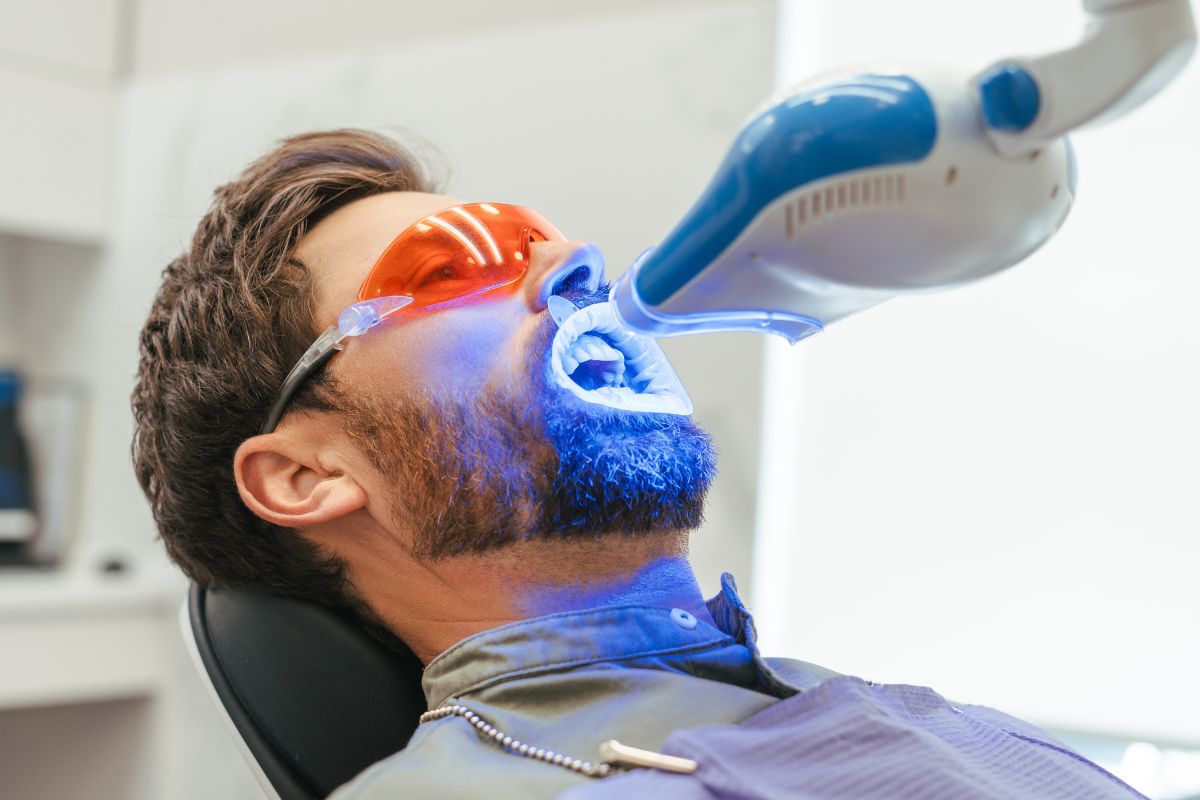
Professional whitening performed under the supervision of a licensed dentist provides the fastest and most noticeable results.
In-office procedures may include:
- Laser-assisted whitening
- Professional-grade bleaching systems
- Light-activated whitening treatments
Benefits include:
- Safe application of high-strength whitening agents
- Protection of gums and soft tissues
- Even predictable results
- Immediate improvement in tooth shade
Patients seeking significant whitening results should consult a qualified dentist for an evaluation.
At-Home Whitening Kits
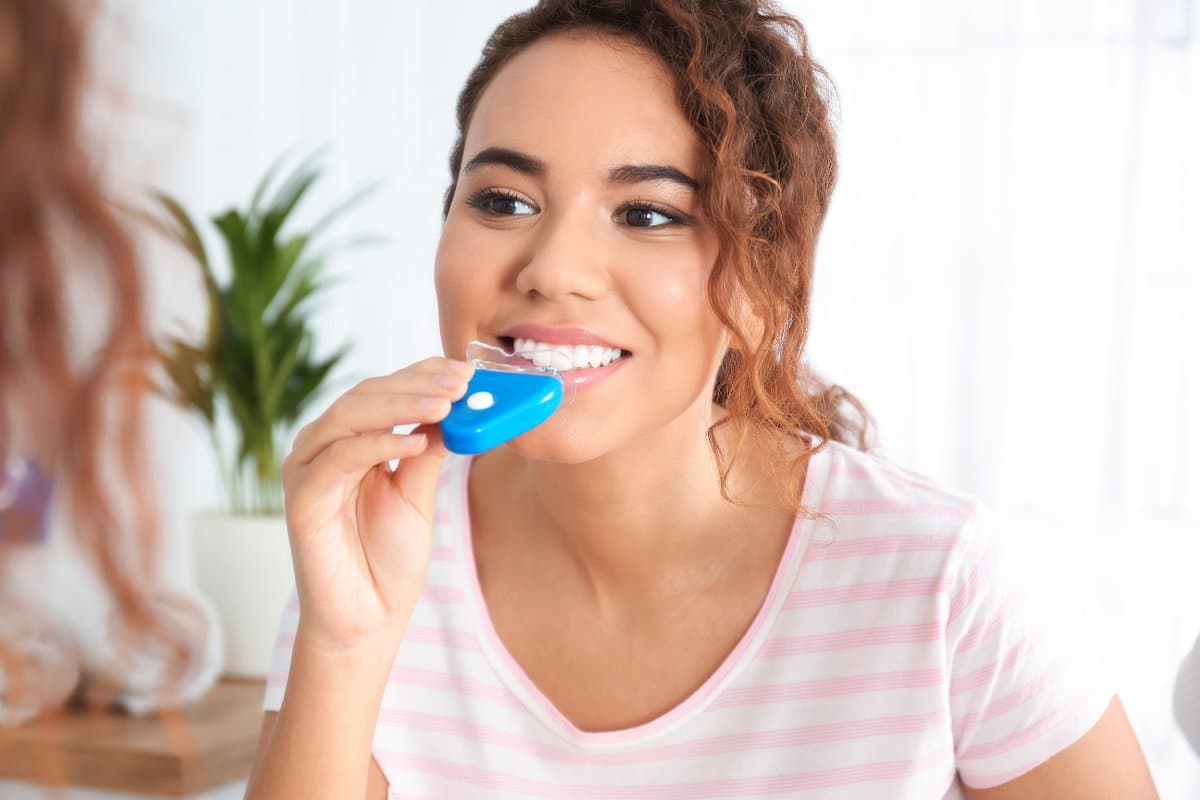
Dentist-recommended at-home whitening kits offer a convenient alternative to in-office procedures.
Options include:
- Custom-fitted trays with professional-grade gel
- Dentist-approved whitening strips
- Controlled whitening programs
Compared to over-the-counter products, dentist-supervised kits provide:
- Better fit
- Reduced sensitivity
- More consistent results
Consultation with a dentist ensures the whitening system is appropriate for individual enamel health.
Avoiding Stains
Limiting Stain-Causing Substances
Prevention plays a critical role in maintaining a bright smile. Common staining substances include:
- Coffee
- Tea
- Red wine
- Dark sodas
- Tobacco
Reducing consumption helps prevent new discoloration from forming.
Minimizing Coffee and Tea Stains
For individuals who regularly consume coffee or tea:
- Rinse with water immediately afterward
- Use a straw when possible
- Brush 30 minutes after consumption
- Schedule routine cleanings with a dentist
Small preventive steps significantly reduce long-term staining.
Proper Oral Care Routine
Regular Dental Checkups
Routine dental visits are essential for maintaining brightness and oral health.
Professional cleanings:
- Remove hardened tartar
- Eliminate surface stains
- Detect early signs of decay
- Prevent gum disease
Regular checkups with a trusted dentist help maintain whitening results and overall oral wellness.
Importance of Fluoride Toothpaste
Fluoride strengthens enamel and protects against decay.
Strong enamel reflects light more effectively, contributing to a naturally brighter smile. Daily use of fluoride toothpaste supports long-term oral health and stain resistance.
DIY Whitening Remedies
Turmeric and Coconut Oil Paste
Turmeric contains anti-inflammatory properties, and when combined with coconut oil, it is sometimes used as a natural oral remedy.
While some claim mild whitening benefits, scientific support is limited. Improper use may lead to staining rather than whitening. Professional guidance is recommended before use.
Activated Charcoal
Activated charcoal is promoted for its ability to absorb impurities and surface stains.
However:
- Overuse may erode enamel
- Abrasiveness can increase tooth sensitivity
- Scientific evidence supporting long-term safety is limited
A dentist should evaluate enamel strength before recommending charcoal-based products.
Lifestyle Changes
Quitting Smoking
Tobacco use is one of the leading causes of severe tooth discoloration.
Quitting smoking can:
- Improve tooth color
- Reduce gum disease risk
- Lower oral cancer risk
- Improve overall health
Eliminating tobacco is one of the most effective steps toward a brighter smile.
Reducing Alcohol Intake
Excessive alcohol consumption may contribute to enamel erosion and discoloration.
Moderation helps preserve enamel integrity and maintain long-term tooth brightness.
The Impact of Water on Teeth Color
Staying Hydrated
Drinking sufficient water:
- Rinses away food particles
- Neutralizes acids
- Stimulates saliva production
- Helps prevent stain accumulation
Hydration plays a simple yet powerful role in maintaining oral health.
Rinsing After Staining Foods
Rinsing with water after consuming stain-causing foods reduces pigment adherence and limits discoloration over time.
Cautionary Measures
Avoid Overuse of DIY Remedies
Even natural remedies can damage enamel if used excessively. Enamel erosion leads to increased sensitivity and a darker tooth appearance over time.
Moderation and professional oversight are essential.
Seek Professional Guidance
Before trying new whitening techniques, consultation with a licensed dentist ensures:
- Teeth and gums are healthy
- No untreated cavities are present
- Whitening methods are safe and appropriate
Professional evaluation protects long-term dental health.
Common Misconceptions
Debunking Whitening Myths
Common myths include:
- Whitening damages enamel permanently
- Natural remedies are always safer
- All stains respond equally to treatment
Understanding the science behind whitening helps patients make informed decisions.
Setting Realistic Expectations
Whitening results vary based on:
- Type of stain
- Enamel thickness
- Existing restorations
- Overall oral health
Crowns, veneers, and fillings do not respond to whitening agents. Setting realistic expectations prevents disappointment.
Sustainable Practices
Eco-Friendly Oral Care Products
Choosing environmentally responsible oral care products supports sustainability without compromising dental health.
Options include:
- Biodegradable toothbrushes
- Recyclable packaging
- Non-toxic formulations
Supporting Ethical Brands
Selecting brands that follow ethical manufacturing and safety standards ensures responsible whitening practices.
Long-Term Maintenance Habits
Consistent Oral Hygiene
Long-term brightness requires:
- Twice-daily brushing
- Daily flossing
- Regular dental cleanings
- Preventive care
Consistency protects both color and overall oral health.
Preserving a Bright Smile
Maintaining a radiant smile involves:
- Balanced nutrition
- Stain awareness
- Routine professional checkups
- Timely treatment of dental issues
Teeth whitening is most effective when combined with comprehensive oral care guided by a qualified dentist.
Conclusion
Achieving a brighter smile involves more than choosing a whitening product — it requires a thoughtful, well-rounded approach to oral health. From consistent brushing and smart dietary habits to professional whitening treatments and preventive care, every step plays a role in maintaining healthy, radiant teeth.
While natural remedies and lifestyle changes can help reduce surface stains, professional guidance ensures whitening is both safe and effective. Not every discoloration responds the same way, and underlying dental concerns should always be addressed before beginning any whitening treatment.
For personalized recommendations and safe, results-driven care, the team at 7 North Dental provides comprehensive evaluations and professional whitening solutions tailored to your needs. Whether you’re exploring natural methods or considering in-office treatment, expert dental care ensures your smile stays healthy, confident, and bright for the long term.
Schedule a consultation with 7 North Dental to discover the safest and most effective way to enhance your smile.