Visit 7 North Dental Today Or Call: 602-230-0811

Is Teeth Whitening Toothpaste Making Your Teeth Sensitive?
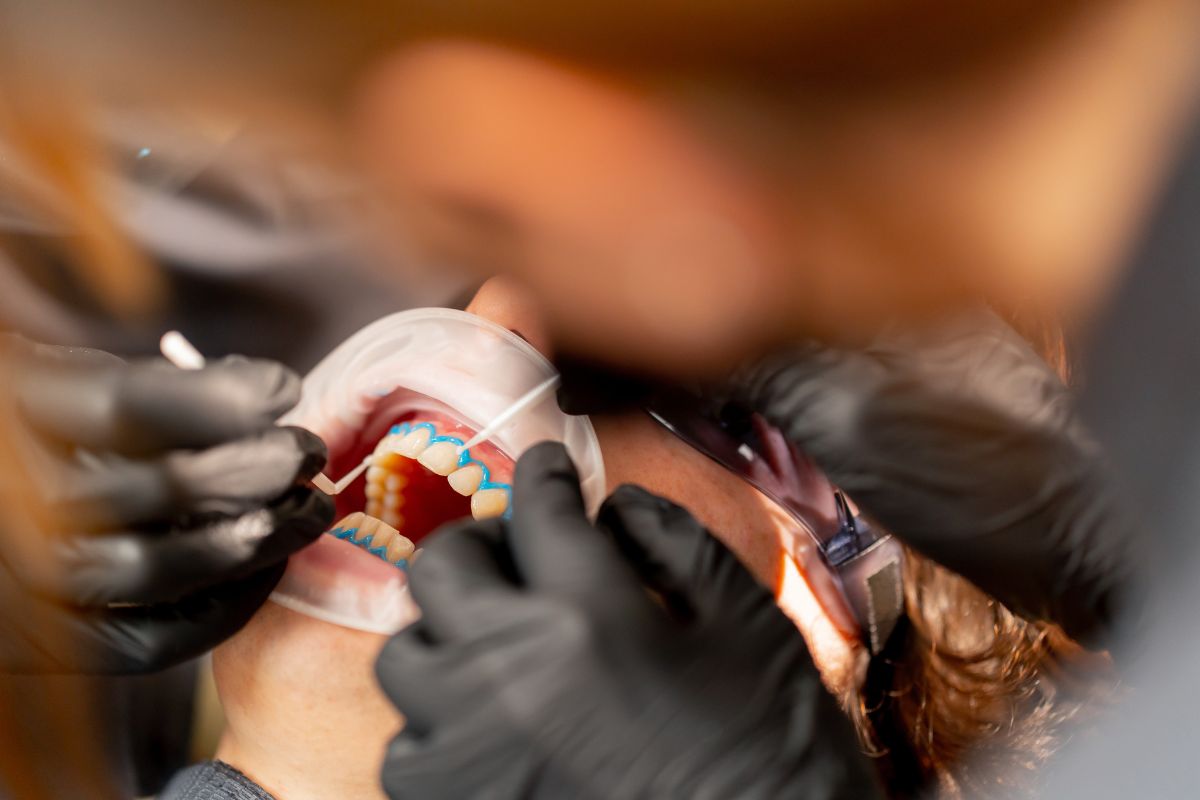
Can whitening toothpaste make teeth sensitive? Yes, sometimes using unprescribed whitening toothpaste can lead to sensitive teeth. There’s a huge difference between in-office teeth whitening and doing teeth whitening yourself. A dentist won’t easily recommend a teeth-whitening toothpaste.
Increased sensitive teeth are leading to you feeling a sharp twinge when sipping hot coffee or cold water; you’re not alone.
Many of our patients, when they visit 7 North Dental, ask: Is teeth whitening toothpaste making my teeth sensitive?
This blog breaks down the science behind teeth whitening, combined with real dentist insights, to help you understand what’s happening inside your mouth.
By the end, you’ll know why sensitivity occurs, how to manage it safely, and when professional care may be the better option, so you can keep whitening teeth without sacrificing comfort.
Understanding How Teeth Whitening Toothpaste Works?
Whitening toothpaste is designed to remove surface stains caused by coffee, tea, wine, smoking, and certain foods.
How Whitening Toothpaste Actually Works
Most whitening toothpaste helps remove surface stains, not deep discoloration. It typically works in two ways:
- Mild abrasives (like silica): Gently polish the teeth to lift surface stains caused by coffee, tea, wine, or smoking.
- Whitening agents (such as low-dose hydrogen peroxide): Help break down some discoloration and gradually brighten teeth over time.
What to expect: Whitening toothpaste can make teeth look cleaner and slightly brighter, but it usually won’t dramatically change the natural color of your teeth or match the results of professional whitening treatments.
Whitening Toothpaste vs. Regular Toothpaste
Unlike regular toothpaste, which focuses mainly on cavity prevention and gum health, whitening toothpaste prioritizes stain removal. This difference is exactly why some people experience discomfort while whitening teeth at home.
Why Your Teeth Have Become Sensitive Lately?
1. Enamel Erosion
Over time, abrasive particles can wear down enamel, your tooth’s natural shield.
2. Dentin Exposure
When enamel thins, the underlying dentin becomes exposed. Dentin contains microscopic tubules that lead directly to nerves, making your teeth reactive to temperature changes.
3. Ingredient Impact
Certain whitening ingredients temporarily open enamel pores, increasing sensitivity, especially if used daily or aggressively.
Is the Sensitivity Due to the Whitening Toothpaste?
Not all tooth pain means serious dental issues. Sensitivity caused by whitening toothpaste often has specific patterns:
- Sharp pain triggered by hot or cold foods
- Discomfort that fades quickly after brushing
- Symptoms that improve when you stop using the product
If pain lingers, worsens, or occurs spontaneously, it may indicate cavities or gum disease rather than simple teeth-whitening irritation.
Common Ingredients That Lead to Tooth Sensitivity
Here are the most common culprits found in whitening products and teeth whitening kits:
- Hydrogen Peroxide – Penetrates enamel to lift stains, but can irritate nerves
- Carbamide Peroxide – Breaks down into hydrogen peroxide, causing similar effects
- Silica – Effective stain remover, but abrasive if overused
- Activated Charcoal – Highly abrasive; can accelerate enamel wear
- Baking Soda – Mildly abrasive, but frequent use may thin enamel
- Sodium Lauryl Sulfate (SLS) – Can irritate sensitive gums and teeth
- Acidic Flavoring Agents – Lower pH weakens enamel temporarily
How to Use Whitening Toothpaste Without Pain
You don’t have to give up whitening teeth completely. Here’s how to do it safely:
- Use a soft-bristle toothbrush
- Alternate between whitening toothpaste and sensitivity toothpaste
- Limit use to 2-3 times per week, not daily
- Avoid brushing immediately after acidic foods
- Reduce coffee, soda, and citrus intake during whitening
These habits help protect enamel while still allowing gradual whitening.
Whitening Toothpaste vs. Professional Whitening
Effectiveness
- Whitening toothpaste: Removes surface stains only
- Dental whitening treatment: Penetrates deeper stains for dramatic results
Sensitivity risk
- Over-the-counter products cause unpredictable sensitivity
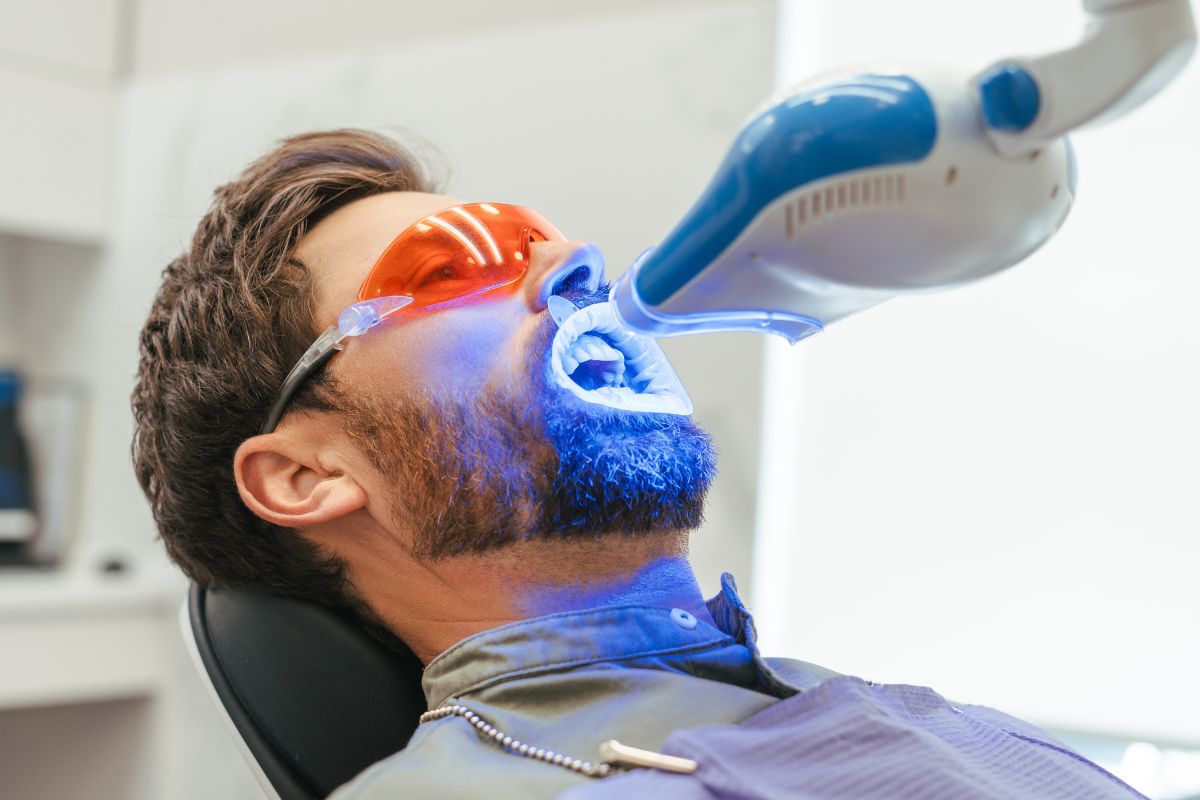
- Professionally supervised teeth whitening treatment is controlled and safer
If you’re searching for teeth whitening near me, professional care offers faster results with less long-term discomfort.
When to See a Dentist
Mild sensitivity after teeth whitening is common and usually fades within a few days. You should schedule an appointment if:
- Sensitivity lasts longer than two weeks and does not improve
- Pain occurs without hot or cold triggers or becomes more intense
- You notice gum recession or tooth discoloration, which may indicate enamel or gum issues
- Teeth remain sensitive after using whitening products, such as whitening toothpaste or strips
A dental exam can help identify underlying concerns like cavities, enamel damage, gum disease, or tooth sensitivity caused by whitening treatments.
Our team can also recommend the best solution for your needs, whether that is a professional teeth whitening treatment or a custom teeth whitening kit designed for sensitive teeth. Visit our dental office to achieve a brighter smile safely and comfortably.
Key Takeaway
So, is the teeth whitening toothpaste making your teeth sensitive? In many cases, yes, but it’s usually manageable and temporary. The key is understanding how whitening products work and using them responsibly.
At 7 North Dental, we believe safe whitening should never compromise your oral health. Whether you choose over-the-counter whitening toothpaste or professional care, expert guidance ensures a brighter smile without unnecessary pain.
FAQs
Q. Is sensitivity normal after whitening toothpaste?
A: Yes. Mild, temporary sensitivity is common, especially during the first week of use.
Q. How long does sensitivity last?
A: Typically, a few days to one week after stopping the product.
Q. Does using toothpaste with fluoride help?
A: Absolutely. Fluoride strengthens enamel and reduces sensitivity during teeth whitening.
Q. Does whitening toothpaste make teeth sensitive?
A: Most chemical whitening products rely on peroxides like hydrogen or carbamide peroxide, which can temporarily cause mild tooth sensitivity while whitening your teeth.
Q. Is it safe to use whitening toothpaste every day?
A: Whitening toothpaste can help maintain a brighter smile, but using it daily may wear down enamel over time. Moderate use helps prevent long-term tooth damage.
Q. Why do teeth whitening make my teeth so sensitive?
A: Professional teeth whitening uses stronger agents, which may temporarily increase sensitivity, especially to cold or sweet foods and drinks.
Q. How to fix teeth sensitivity after whitening?
A: After whitening, ease sensitivity by using desensitizing or fluoride toothpaste, avoiding extreme temperatures and acidic foods, brushing gently with lukewarm water, and using a pH-balancing mouthwash.