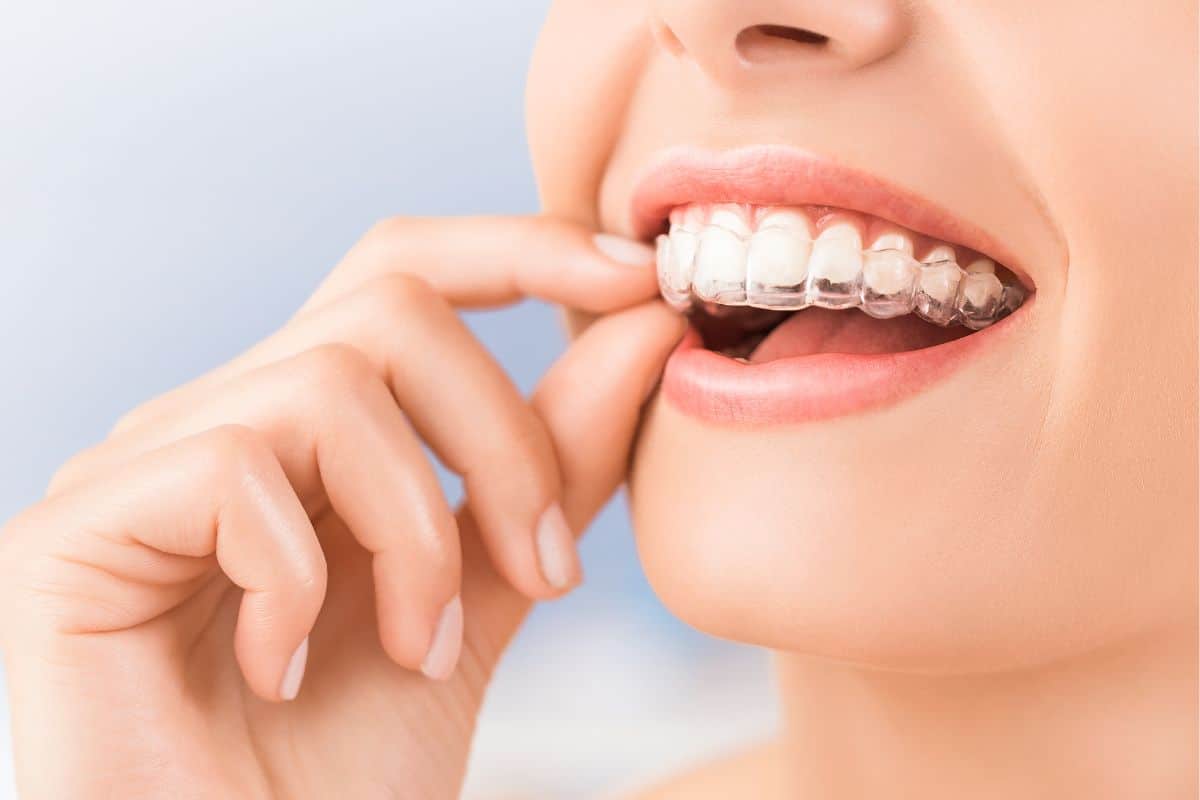
Visit 7 North Dental Today Or Call: 602-230-0811

Will Invisalign Work if You Have Dental Crowns?
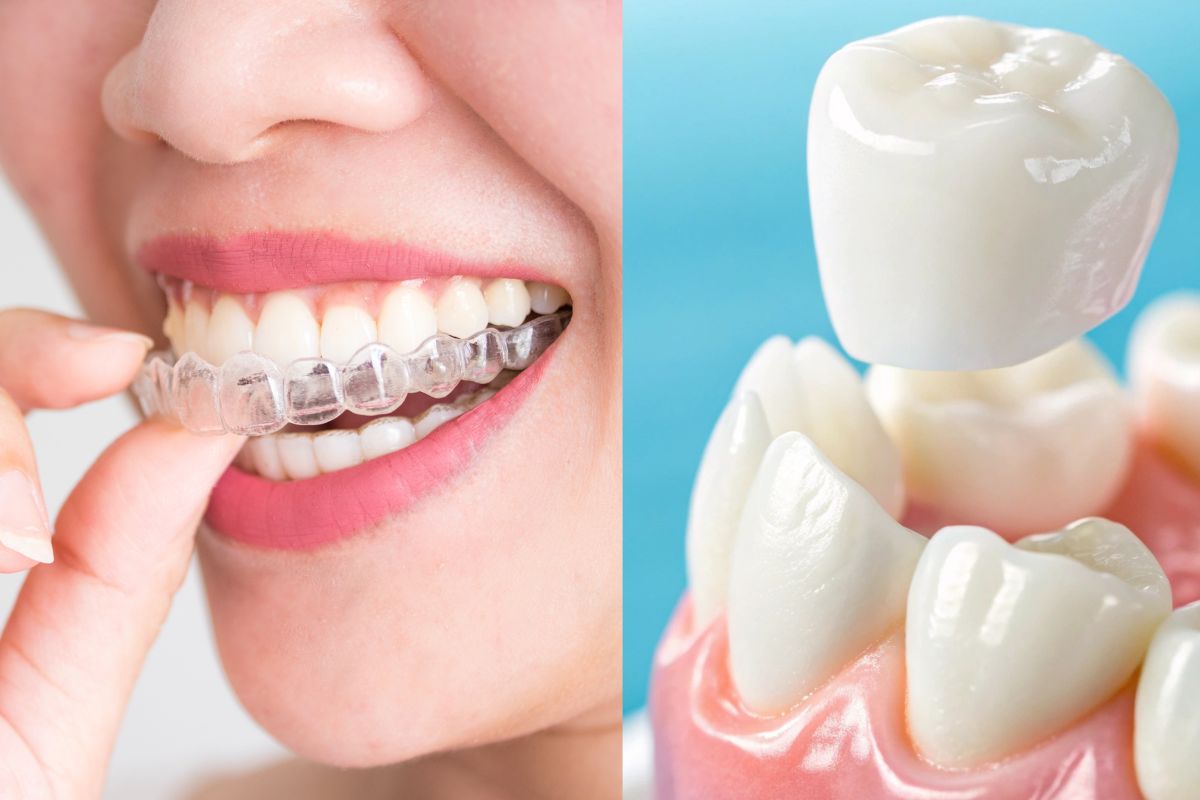
Will Invisalign Work If You Already Have Crowns?
Yes, in most cases, Invisalign can work even if you have dental crowns. That’s one of the most common questions patients ask when considering clear aligners, and the answer depends on proper planning, crown stability, and digital evaluation.
In this guide, 7 North Dental explains how Invisalign dental solutions interact with crowns, what dentists look for before treatment, and why patients searching for Invisalign near me or Invisalign in Phoenix often remain excellent candidates.
You’ll also learn what to expect during Invisalign treatment, how attachments work on crowned teeth, and how a cosmetic dentist in Phoenix evaluates your case using advanced scans.
How Invisalign Works
Here’s how Invisalign on teeth actually moves your smile:
- A series of custom Invisalign aligners for teeth applies controlled pressure
- Each Invisalign aligner shifts teeth incrementally
- Movement occurs at the root level; not just the crown
- Digital treatment planning maps every stage of your Invisalign treatment
This biomechanics-based approach is what allows aligners for teeth to work even when restorations like crowns are present.
Can Invisalign Work With Dental Crowns?
Yes, in most cases, Invisalign dental solutions work well with crowns. The key is clinical evaluation.
A crown is securely bonded to the natural tooth underneath. When orthodontic pressure is applied, the tooth root moves, and the crown moves with it. Properly placed crowns typically remain stable throughout Invisalign treatment, allowing the teeth aligner systems to function effectively.
Planning matters, which is why a thorough exam by a Phoenix cosmetic dentist is essential before starting.
What Dental Crowns Mean for Invisalign Treatment
Condition of the Crown: Why Stability Matters
Crowns must be well-bonded and structurally sound. A loose or damaged crown may need attention before starting Invisalign dental care.
Placement of the Crown: Front vs. Back Teeth
Crowns on front teeth may affect how attachments are bonded, while back teeth usually respond well to Invisalign aligners with minimal adjustment.
Attachments & Bonding Issues
Small attachments help Invisalign aligners grip and move teeth. Special bonding techniques are used on crowns to ensure attachments stay secure.
When Crowns Might Complicate Treatment (Rare Cases)
Extensive restorations, very short crowns, or older materials may require alternative planning, but this is uncommon with modern dentistry.
Invisalign Benefits for Phoenix Patients
For patients in Phoenix, Invisalign offers unique lifestyle advantages:
- Discreet appearance for professionals and social settings
- No metal irritation during extreme heat
- Fewer in-office visits compared to braces
- Comfortable, clear aligners for teeth that fit active schedules
These benefits make Invisalign braces a preferred choice for adults seeking orthodontic care without downtime.
Invisalign Treatment Process (Step-by-Step)
- Digital scans and bite analysis
- Crown evaluation and treatment planning
- Custom Invisalign aligner design
- Delivery of your first set of invisible aligners
- Periodic check-ins (especially important in hot Arizona summers)
- Completion and retention phase
This streamlined approach allows Invisalign treatment to remain efficient, even for patients with restorations.
How to Know If You’re a Good Candidate (Especially With Crowns)
You may be a good candidate for Invisalign dental care if you have:
- Healthy gums and bone support
- Stable crowns without decay underneath
- Mild to moderate alignment concerns
- Commitment to wearing aligners for teeth as directed
Advanced scans help your cosmetic dentist in Phoenix determine crown compatibility before starting Invisalign on teeth.
What to Expect at Your First Invisalign and Crowns Consultation
During your consultation, your provider will discuss:
- Crown materials and age
- Movement limits and expectations
- Attachment placement options
- Timeline for Invisalign aligners
- Whether any crown work should be done before treatment
This personalized planning ensures your Invisalign in Phoenix experience is predictable and safe.
Invisalign With Crowns Is Often Very Possible
Dental crowns don’t automatically disqualify you from orthodontic care. With expert planning, Invisalign aligners for teeth can safely and effectively straighten smiles, even when restorations are present.
If you’re considering Invisalign near me and want expert guidance, schedule a consultation with 7 North Dental today. Our team will evaluate your crowns, design a personalized plan, and help you move forward confidently with Invisalign treatment tailored to your smile.
FAQs
Q. Does Invisalign damage my crown?
A: No. Properly planned Invisalign treatment does not harm crowns.
Q. Do I need to replace my crown before Invisalign?
A: Only if the crown is unstable or poorly fitted.
Q. Can Invisalign work with multiple crowns?
A: Yes. Many patients successfully complete Invisalign dental treatment with several crowns in place.
Q. Can I have Invisalign with crowns?
A: Yes. Invisalign usually works with dental crowns as long as they’re strong and secure. Your dentist will evaluate them, adjust attachments if needed, and may recommend replacing crowns after treatment for the best fit and appearance.
Q. Can you straighten your teeth if you have crowns?
A: Yes. Teeth with crowns can be straightened either cosmetically with new crowns or orthodontically with Invisalign or braces. Orthodontics moves the natural tooth (and crown) into position, while crowns only improve appearance.
Q. Can Invisalign dislodge a crown?
A: No. Invisalign won’t pull off a crown when properly planned. The aligners use gentle pressure, and attachments are safely bonded to crowns with specialized dental adhesives.
Q. Do crowns move with Invisalign?
A: Yes. Invisalign moves the entire tooth, including the root, not just the crown, ensuring proper and stable alignment.