Visit 7 North Dental Today Or Call: 602-230-0811

Why Do My Teeth Hurt When I Eat Sweets? Tooth Sensitivity To Sweets Explained
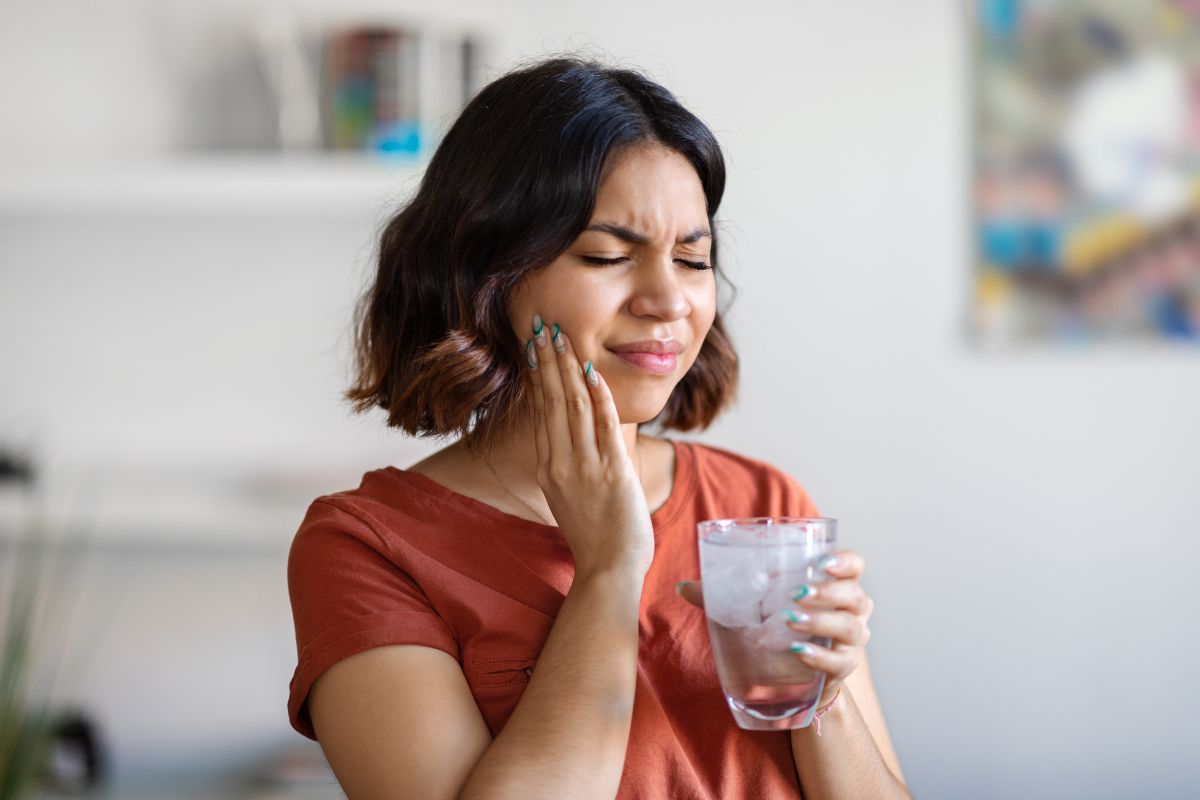
Do you ever bite into a piece of chocolate, enjoy a spoonful of ice cream, or sip a sweet drink only to feel a sudden, sharp pain in your teeth? That unexpected discomfort can turn a simple treat into an unpleasant experience. If it happens regularly, you may wonder whether your teeth are simply sensitive or if something more serious is going on.
Tooth pain when eating sweets is often linked to exposed dentin, worn enamel, cavities, or gum recession. Sometimes, it can be an early warning sign of a dental problem that needs attention.
The good news is that tooth sensitivity can often be managed once the underlying cause is identified. Let’s explore why sweets may trigger tooth pain, what you can do to protect your teeth, and when it’s time to visit our dentist in Phoenix
Why Does Sugar Make Your Teeth Hurt?
When you eat something sweet, the sugar can trigger discomfort if your teeth have lost some of their natural protection. Your tooth enamel is the hard outer layer that shields the more sensitive tissues underneath. Beneath the enamel lies dentin, a layer containing microscopic channels that communicate with the nerve inside your tooth.
When dentin becomes exposed, sweet foods and drinks can stimulate these channels and cause a brief, sharp sensation. The discomfort may disappear quickly after you finish eating, but repeated sensitivity should not be ignored.
Sugar also contributes to tooth decay. Bacteria in dental plaque use sugars from food and drinks to produce acids that gradually weaken enamel. Over time, this can lead to cavities and increase the likelihood of tooth pain.
Does this sound familiar? If a particular tooth hurts every time you eat candy or dessert, pay attention to the pattern. Sensitivity affecting one specific tooth may indicate a cavity, crack, or damaged filling that needs a dental examination.
5 Common Causes of Tooth Sensitivity to Sweets
Several dental problems can make sugary foods uncomfortable to eat. Although the symptoms may feel similar, the causes can differ, which is why identifying the source of the pain matters.
1. Tooth Decay and Cavities
Cavities are one of the most common reasons teeth hurt when eating sweets. Tooth decay develops when acids produced by plaque bacteria gradually damage the enamel. As the damage progresses, the softer dentin underneath may become exposed.
You might notice a sharp twinge when eating chocolate, candy, pastries, or other sugary foods. Some people also experience sensitivity to hot or cold drinks, discomfort when chewing, or a persistent ache.
Early tooth decay may not cause noticeable symptoms, so you cannot always tell whether a cavity is present by looking in the mirror.
A dentist can examine the affected tooth and determine whether a filling or another treatment is necessary. Treating tooth decay early can help prevent further damage and protect the tooth from more extensive problems.
2. Worn or Weakened Tooth Enamel
Enamel protects your teeth from everyday chewing forces, temperature changes, and other external stimuli. However, frequent exposure to acids from foods and drinks, aggressive brushing, and teeth grinding can contribute to enamel wear.
Once enamel becomes thinner, the dentin underneath may be more easily stimulated. As a result, you may notice discomfort when eating sweets or drinking acidic beverages.
Frequent snacking on sugary foods can also increase the amount of time your teeth are exposed to plaque acids. Sticky candies and sweetened drinks may be particularly troublesome when consumed repeatedly throughout the day.
To help protect your enamel, brush twice daily with fluoride toothpaste, use a soft-bristled toothbrush, and limit frequent sugary and acidic snacks. Our dentist in Phoenix can recommend additional measures if enamel erosion is contributing to your sensitivity.
3. Receding Gums and Exposed Tooth Roots
Your gums help protect the roots of your teeth. When gum tissue recedes, the roots can become exposed, leaving areas that are more vulnerable to sensitivity.
Gum recession may develop because of gum disease, aggressive brushing, or other factors affecting the supporting tissues around your teeth. You might notice that your teeth appear longer than before or that discomfort occurs near the gumline.
Exposed roots can react to sweet, cold, hot, or acidic foods and drinks. You may also experience sensitivity while brushing or flossing.
A dentist can assess whether gum recession or gum disease is responsible for your symptoms. Depending on the cause, treatment may involve improving oral hygiene, professional gum care, or applying products that help reduce sensitivity.
4. Cracked Teeth or Damaged Fillings
A small crack in a tooth or a worn, loose, or damaged filling can allow sweet substances and other stimuli to reach sensitive areas. Even a crack that is difficult to see may cause discomfort during meals.
You might notice pain when biting down, sensitivity that comes and goes, or discomfort that seems to affect just one tooth. Sometimes, the pain is brief enough that you may not think much of it.
However, continuing to chew on a damaged tooth can make the problem worse. Avoid hard foods that aggravate the area and arrange a dental examination.
Depending on the damage, Our dentist in Phoenix may recommend repairing a filling, placing a crown, or providing other treatment to protect the tooth.
5. Temporary Sensitivity After Teeth Whitening
Have you recently whitened your teeth? Some whitening treatments can temporarily increase tooth sensitivity because their active ingredients may affect the tissues beneath the enamel.
You may notice discomfort when eating sweets or consuming hot and cold foods shortly after treatment. In many cases, this sensitivity improves once you stop using the whitening product and give your teeth time to recover.
Use whitening products only as directed, and avoid repeatedly applying them in an attempt to achieve faster results. If the discomfort is severe, persists, or affects a particular tooth, contact your dentist to rule out another problem.
How Can You Reduce Tooth Pain When Eating Sweets?
You don’t necessarily have to give up every dessert to manage tooth sensitivity. The first step is to determine what’s causing the discomfort. In the meantime, a few everyday habits can help reduce irritation and protect your teeth.
- Use toothpaste for sensitive teeth. Desensitizing toothpaste may help reduce discomfort when used consistently as directed.
- Brush gently. Choose a soft-bristled toothbrush and fluoride toothpaste. Avoid scrubbing aggressively, especially around the gumline.
- Limit frequent sugary snacks. Enjoy sweets less frequently rather than grazing on them throughout the day.
- Drink water after eating. Water helps rinse away food particles and supports a healthy oral environment.
- Maintain daily flossing habits. Cleaning between your teeth helps remove plaque and food debris that brushing may miss.
- Avoid overusing whitening products. Take a break from whitening if it triggers sensitivity and ask your dentist for guidance.
These habits can help manage sensitivity, but they won’t repair a cavity or fix a cracked tooth. If your pain continues, professional evaluation is the safest next step.
When Should You See a Dentist for Tooth Sensitivity?
Occasional, brief sensitivity may improve with appropriate home care, but recurring pain deserves attention. If one tooth consistently hurts when you eat sweets, don’t assume that it is simply a normal reaction.
Schedule a dental appointment if you experience persistent sensitivity, pain when biting, visible holes or cracks, a damaged filling, or discomfort that interferes with eating. Lingering or worsening pain may indicate a deeper problem requiring treatment.
Seek urgent dental care if tooth pain is accompanied by facial or gum swelling, fever, or signs of infection. Difficulty breathing or swallowing, or significant swelling of the face or neck, requires emergency medical attention.
Your dentist can examine your teeth and gums and may take X-rays if needed. Treatment depends on the diagnosis and could include fluoride treatment, desensitizing products, a filling, a crown, or root canal treatment for an affected tooth.
Finding the cause early can help prevent minor sensitivity from becoming a more complicated dental issue.
Enjoy Your Favorite Foods With Help From 7 North Dental
Tooth sensitivity shouldn’t keep you from enjoying your favorite foods. Whether your discomfort comes from a cavity, worn enamel, receding gums, or a damaged restoration, understanding the cause is the first step toward lasting relief.
At 7 North Dental, located at 7150 N 7th St, Phoenix, AZ 85020, you can seek professional guidance for tooth sensitivity and other dental concerns. If sweets consistently trigger pain or one tooth feels different from the others, consider scheduling an examination rather than waiting for the symptoms to worsen.
A little sensitivity may seem easy to dismiss, but your teeth are worth protecting. With the right care and preventive habits, you can support your oral health and enjoy meals more comfortably.
Frequently Asked Questions
1. Does tooth pain when eating sweets always mean I have a cavity?
A: No. Tooth sensitivity can also result from enamel wear, gum recession, exposed roots, cracks, or recent whitening treatments. A dental examination can help identify the cause.
2. Why does only one tooth hurt when I eat sugar?
A: Sensitivity in one specific tooth may be associated with a cavity, crack, damaged filling, or another localized problem. Arrange a dental examination, especially if the pain keeps returning.
3. Can sensitive-tooth toothpaste stop pain caused by sweets?
A: It may help reduce sensitivity when used regularly, but it will not repair cavities or cracked teeth. If the pain persists, consult your dentist rather than relying on toothpaste alone.
4. Should I stop eating sweets if my teeth hurt?
A: Reducing the frequency of sugary snacks can help lower your risk of tooth decay. However, recurring pain should be evaluated to determine whether you need dental treatment.
Note: This article is intended for general educational purposes and does not replace personalized dental advice.