Visit 7 North Dental Today Or Call: 602-230-0811

Is There a Cure for an Abscessed Tooth?
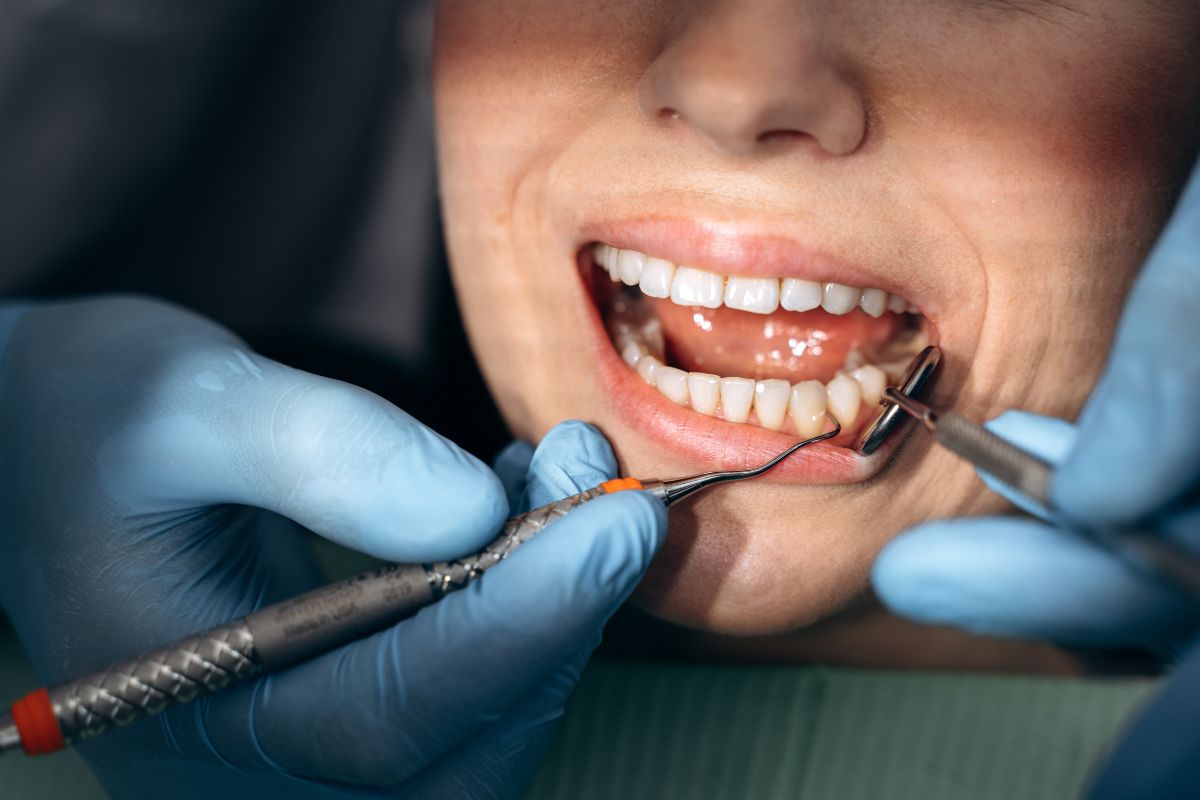
As a dentist in Phoenix, most of the patients come to us seeking a cure for an abscessed tooth. Patients with tooth infection symptoms often ask, “Is there a cure for a dental abscess?”
Let’s first understand what an abscessed tooth is. That toothache that keeps you awake all night is not just any regular toothache, but it is an abscess symptoms of the tooth.
What is a tooth abscess? To frame it simply, a tooth abscess is a pocket of pus caused by a bacterial infection.
Now, can an abscessed tooth be treated? Yes, absolutely. Visiting a dentist as soon as symptoms appear can help with tooth abscess treatment.
What Causes an Abscessed Tooth?
An abscessed tooth develops when bacteria enter the inner parts of the tooth or the surrounding gum tissue, leading to a serious infection. This usually happens over time due to a combination of oral health issues and everyday habits. Some of the most common causes include:
- Untreated tooth decay: Cavities that aren’t treated early can deepen and allow bacteria to reach the dental pulp (the nerve and blood vessels inside the tooth), leading to infection and pus formation.
- Poor oral hygiene: Inadequate brushing and flossing allow plaque and bacteria to build up around teeth and along the gumline, increasing the risk of infection.
- High-sugar diet: Frequent consumption of sugary foods and drinks fuels harmful bacteria in the mouth, accelerating enamel breakdown and increasing the chances of tooth decay and abscess formation.
- Cracked or damaged teeth: Teeth weakened by trauma, grinding, or clenching can develop small cracks. These openings allow bacteria to enter the tooth, even if there’s no visible cavity.
- Teeth grinding or clenching (bruxism): Constant pressure from grinding can wear down enamel, create micro-fractures, and make teeth more vulnerable to bacterial infection.
- Previous dental work complications: Old fillings, crowns, or dental restorations that are damaged or poorly sealed can trap food debris and bacteria, creating an ideal environment for infection.
- Gum disease: Advanced gum disease can cause deep pockets between the teeth and gums, allowing bacteria to spread and form a periodontal abscess.
Without prompt dental treatment, an abscessed tooth can worsen and spread the infection to nearby tissues. Regular dental checkups, good oral hygiene, and early treatment of dental problems are key to preventing tooth abscesses. If any symptoms persist or you experience unbearable pain, schedule a consultation with our dentist at 7 North Dental.
How Will a Dentist Treat an Abscessed Tooth?
An abscessed tooth is a serious dental infection that cannot heal on its own. While good oral care can help prevent problems, once an abscess develops, professional dental abscess treatment is essential. The goal of treatment is to eliminate the infection, reduce pain and swelling, and prevent it from spreading to other areas of the mouth or body.
Professional Tooth Abscess Treatment Options
- Root canal treatment:
In most cases, dentists or endodontists recommend a root canal as the most effective treatment for tooth infection. This procedure removes the infected pulp from inside the tooth, thoroughly cleans and disinfects the area, and seals the tooth to prevent future infection—while saving the natural tooth. - Antibiotics (such as penicillin):
Antibiotics may be prescribed to help control the bacterial infection, especially if there is significant tooth abscess swelling or the infection has begun to spread. However, antibiotics alone do not cure the abscess—they are used alongside definitive dental treatment. - Incision and drainage:
If pus has accumulated, the dentist may make a small incision to drain the abscess. This helps relieve pressure, reduce swelling, and speed up healing. Drainage is often combined with other forms of tooth abscess treatment for complete resolution.
Pain Relief and Temporary Home Care Measures
If immediate dental treatment is not possible, the following steps may help manage discomfort temporarily—but they are not a cure:
- Avoid very hot or cold foods:
Extreme temperatures can intensify pain in an abscessed tooth due to nerve sensitivity. Stick to lukewarm foods and drinks. - Take pain reliever medication:
Over-the-counter pain relievers can help reduce discomfort and inflammation. These medications provide temporary relief and should never replace professional dental care. - Avoid high-sugar foods:
Sugary foods encourage bacterial growth and can worsen infection by altering the mouth’s pH balance, increasing the risk of further damage. - Rinse with warm salt water:
Saltwater rinses act as a mild antiseptic, helping reduce bacteria and soothe irritated gums. This can be especially helpful when the abscess is related to a gum infection.
If you experience a persistent toothache, facial swelling, gum tenderness, or pressure sensitivity, it’s important to see a dentist immediately. Early diagnosis allows for faster and more effective dental abscess treatment, preventing complications and relieving pain safely.
Prompt tooth infection treatment by a qualified dentist is the only way to fully cure an abscessed tooth and protect your long-term oral health.
Get Expert Abscessed Tooth Treatment at 7 North Dental
A tooth abscess is not just painful—it’s a warning sign of a serious infection that needs prompt professional care. While home remedies and pain relievers may offer short-term comfort, they cannot eliminate the infection or prevent it from spreading. The only true cure for an abscessed tooth is timely, dentist-led treatment.
At 7 North Dental, our experienced Phoenix dental team focuses on accurate diagnosis, effective tooth abscess treatment, and long-term prevention. Whether your treatment involves a root canal, antibiotics, or drainage, our goal is to stop the infection at its source, reduce swelling, and save your natural tooth whenever possible.
If you’re experiencing ongoing tooth pain, facial swelling, or signs of infection, don’t wait for symptoms to worsen. Early tooth infection treatment can protect your oral health, prevent complications, and get you back to feeling comfortable sooner
FAQs
Q. Can an abscess cause headaches?
A: Yes. A tooth abscess can cause headaches when inflammation and shared nerve pathways spread pain to the jaw, neck, and head. In rare cases, the infection can spread to the brain, causing severe headaches and requiring emergency care.
Q. Can you get rid of an abscess without removing a tooth?
A: A tooth abscess won’t heal on its own and can lead to serious infection or tooth loss. Don’t wait—see a dentist as soon as possible for proper treatment.
Q. Is a tooth abscess permanent?
A: A tooth abscess won’t heal without treatment. Even if it bursts and pain eases, the infection remains and can spread to the jaw, head, or neck without proper dental care.
Q. How to treat a tooth abscess in kids?
A: Pediatric dental abscess treatment includes draining the infection, antibiotics, and either a root canal or tooth extraction—often with a space maintainer. Prompt care is essential to prevent spread.