Visit 7 North Dental Today Or Call: 602-230-0811

Planning To Get Dental Implants Soon? Here’s Everything You Should Know
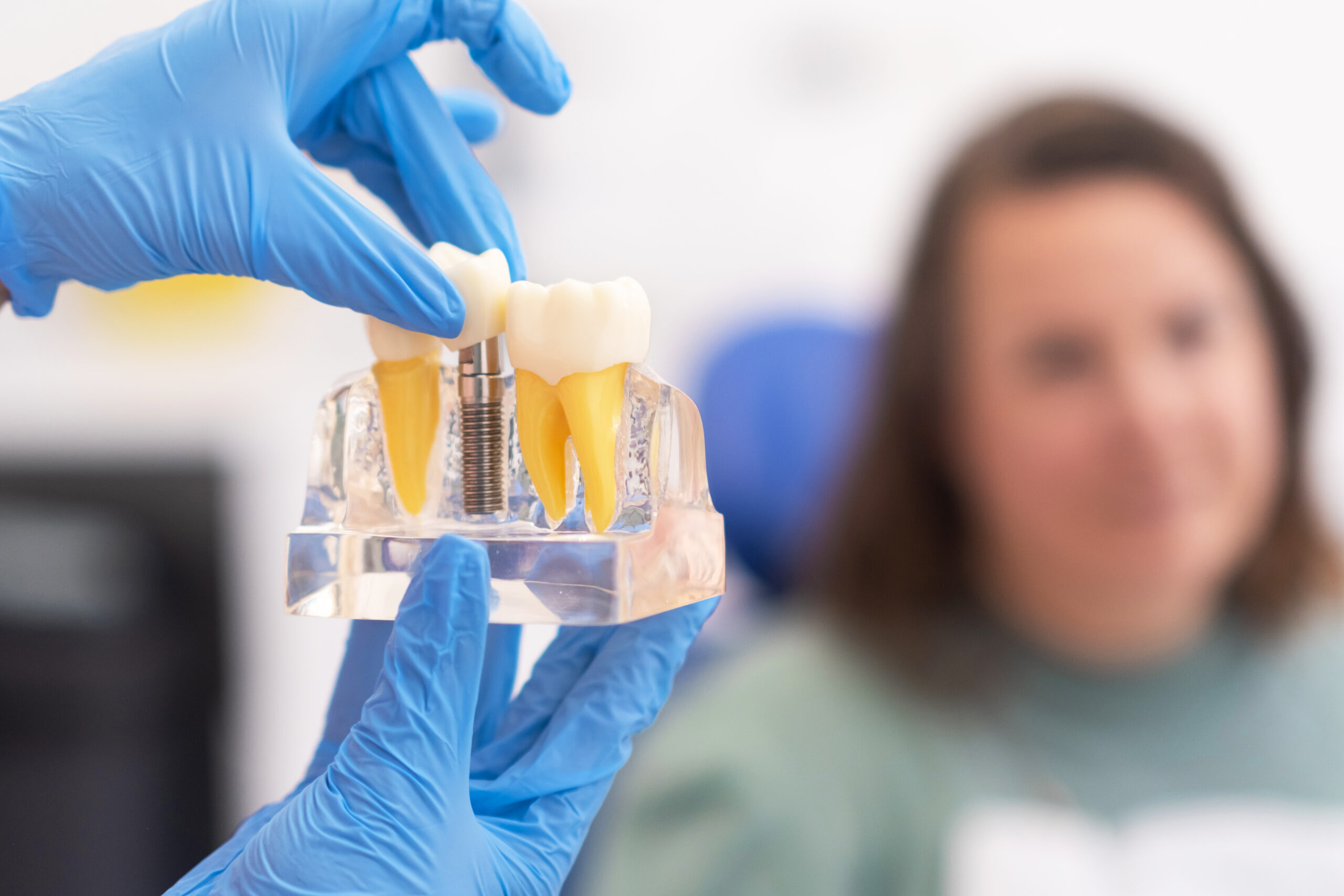
As dentists, we often encounter patients who are sometimes poorly informed about dental implants; thus, they believe whatever myths they encounter.
This blog by 7 North Dental explores everything you must know before getting dental implants in Phoenix or any location you are reading this from. Implants are restorative dental procedures designed to replace missing teeth. These restorative options looks, feels like natural teeth.
Tooth implant is highly considered by patients who want to restore their chewing and biting ability and prevent jawbone loss. Apart from these, implants serve several other benefits. Thus, in modern dentistry, dental implants have emerged as a groundbreaking solution.
What and How’s of Dental Implants
First, let’s briefly understand what dental implants are. Dental implants are designed to replace missing teeth in a way that looks, feels, and functions like natural teeth. Their role goes far beyond appearance—they help restore your overall oral health and daily comfort.
What Constitutes a Dental Implant?
Implant Fixture: The implant fixture is a small, screw-shaped post that is surgically placed into the jawbone. It acts as an artificial tooth root and provides a strong, stable foundation for the replacement tooth.
Abutment: The abutment is a connector piece that sits on top of the implant fixture. It links the implant to the final restoration and helps secure it firmly in place.
Crown, Bridge, or Denture: This is the visible, custom-made restoration that looks and functions like natural teeth. Depending on your needs, it may replace a single tooth (crown), multiple teeth (bridge), or a full arch of teeth (denture).
What To Expect at The Dental Implant Consultation
Initial Consultation & Planning
Your dental implant journey begins with a thorough consultation. The dentist evaluates your oral health, reviews X-rays or 3D scans, and determines whether you’re a good candidate for implant teeth. This step helps create a personalized treatment plan for long-term success.
Implant Placement Surgery
During this phase, the implant—a small, titanium post—is carefully placed into the jawbone. This implant tooth procedure is typically performed under local anesthesia to ensure comfort. The implant acts as an artificial tooth root, forming the foundation for your new tooth.
Healing & Osseointegration
Over the next few months, the implant undergoes a natural process called osseointegration. During this time, the implant fuses securely with the jawbone. This step is essential, as it provides the strength and stability that make implants feel and function like natural teeth.
Abutment Placement
Once healing is complete, an abutment is attached to the implant. This small connector extends above the gum line and serves as the anchor between the implant and the final restoration.
Final Restoration Placement
In the final step, a custom-made crown, bridge, or denture is securely placed on the abutment. This completes the implant teeth process, restoring your smile, bite, and confidence with natural-looking results.
To learn more about the dental implant procedure, you can book a consultation with our dentist or search for “dentist near me”.
Why Choose Dental Implants as Your Restorative Option?
- Natural Look and Feel: Dental implant teeth are designed to closely resemble natural teeth in appearance, feel, and function. Once placed, an implant tooth blends seamlessly with your smile and feels comfortable during daily activities.
- Strong, Stable, and Secure: A dental implant is anchored directly into the jawbone, providing superior stability compared to dentures or bridges. This allows you to eat, speak, and smile confidently without worrying about slipping or movement.
- Preserves Jawbone Health: Unlike other restorative options, implants stimulate the jawbone just like natural tooth roots. This stimulation helps prevent bone loss and supports long-term facial structure.
- Protects Healthy Surrounding Teeth: An implant tooth stands independently and does not rely on adjacent teeth for support. This preserves healthy teeth and maintains proper alignment and bite balance.
- Long-Lasting Solution: With proper care, dental implants can last for decades. Their durability makes implant teeth a reliable and cost-effective restorative choice over time.
- Improves Chewing and Speech: Because implants are fixed in place, they restore normal chewing function and help maintain clear, natural speech—without the discomfort often associated with removable options.
- Versatile Treatment Option: Dental implants can replace a single tooth, multiple teeth, or even support full-arch restorations, making them a flexible solution for various dental needs.
- Boosts Confidence and Quality of Life: Choosing implant teeth restores not just your smile, but your comfort and confidence, allowing you to enjoy daily activities without hesitation.
What Does a Dentist Check Before Recommending Dental Implants?
- Overall Oral Health: A dentist first evaluates your overall oral health, including the condition of your gums and remaining teeth. Healthy gums are essential for supporting implants and ensuring the long-term success of an implant tooth.
- Jawbone Density and Strength: Adequate jawbone volume is necessary to securely anchor a dental implant. If bone loss is present, additional procedures may be recommended before placing implant teeth.
- Number of Missing Teeth: Whether you need a single implant tooth or multiple implant teeth, the dentist considers how many teeth are missing to determine the most suitable implant treatment plan.
- Healing Capacity and Medical History: Certain medical conditions or medications can affect healing. Dentists assess your overall health to ensure your body can properly heal and support dental implants.
- Oral Hygiene Habits: Good oral hygiene is critical for maintaining implants. Dentists look at brushing, flossing, and routine dental visit habits before recommending implant treatment.
- Bite Alignment and Jaw Function: Proper bite alignment ensures even pressure on the implant, reducing stress and improving longevity of the implant tooth.
- Lifestyle Factors: Habits such as smoking can impact the success rate of implants. Dentists evaluate lifestyle factors that may affect healing and long-term implant stability.
- Long-Term Commitment to Care: Dental implant teeth require ongoing care, just like natural teeth. Dentists ensure patients are willing to maintain regular checkups and proper oral care routines.
What Type of Dental Implant Will a Dentist Recommend?
| Type of Dental Implant | Description | Pros | Cons |
|---|---|---|---|
| Endosteal Implants | These implants are placed directly into the jawbone and act as artificial tooth roots. They are the most commonly used type of dental implant and can support a single implant tooth or multiple implant teeth. | • Strong and highly stable• Long-term success and durability• Natural look and feel for implant teeth• Suitable for single or multiple tooth replacement | • Requires sufficient jawbone density• May require bone grafting if bone loss is present• Healing period needed before final restoration |
| Subperiosteal Implants | Subperiosteal implants are placed on top of the jawbone but beneath the gum tissue. This type of implant is typically used when jawbone density is insufficient for traditional implants. | • Suitable for patients with low bone density• Avoids the need for bone grafting in some cases• Shorter healing time compared to bone graft procedures | • Less commonly used today• May not be as stable as endosteal implants long term• Limited suitability depending on jaw structure |
Making an Informed Decision About Dental Implants
Dental implants have transformed modern dentistry by offering a restorative solution that goes beyond replacing missing teeth. They restore function, preserve jawbone health, and help patients regain confidence with a smile that looks and feels natural. However, as discussed throughout this blog, successful implant treatment depends on proper evaluation, planning, and patient awareness.
Understanding how dental implants work, what they are made of, the step-by-step procedure, and the factors dentists consider before recommending them helps eliminate myths and misinformation. Whether you need a single implant tooth or multiple implant teeth, the right treatment approach is always personalized to your oral health, bone structure, lifestyle, and long-term goals.
At 7 North Dental, our focus is not just on placing implants, but on educating patients so they can make informed, confident decisions about their oral health. If you are considering dental implants in Phoenix—or anywhere else—the best next step is a professional consultation to determine whether implants are the right solution for you.
With the right guidance, proper care, and expert planning, dental implants can be a long-lasting investment in your health, comfort, and quality of life.