Visit 7 North Dental Today Or Call: 602-230-0811

Soft Food Diet Essentials: What to Eat After Oral Surgery

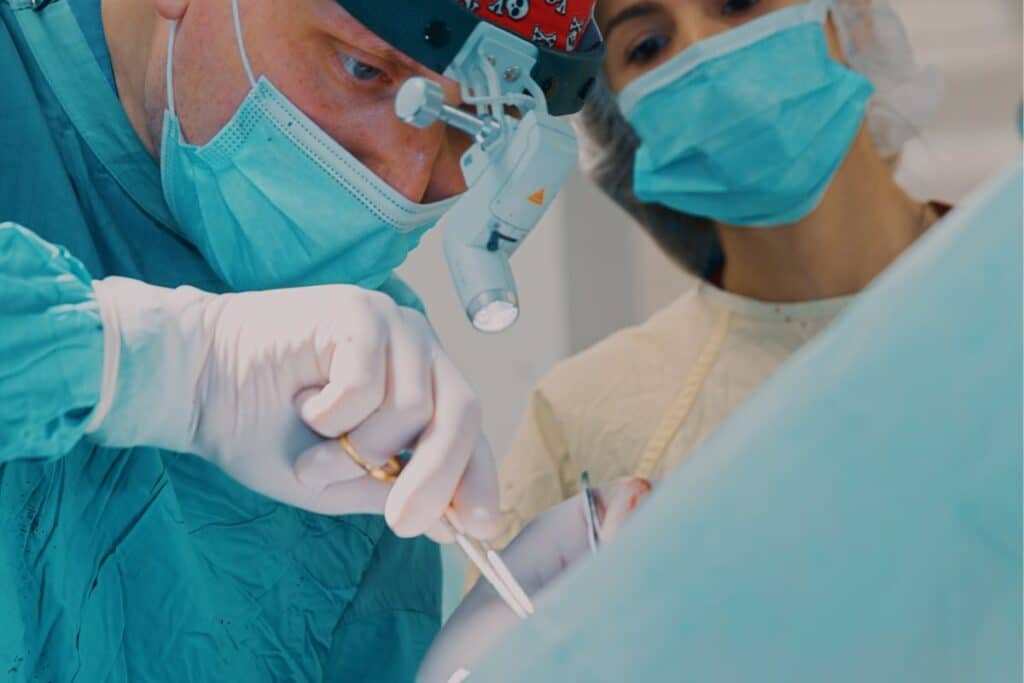
Oral surgery can be a daunting experience. From the procedure to the recovery period, it requires careful attention and planning. One crucial aspect of healing is diet. Consuming the right foods can significantly impact your recovery process. So, what should you eat after oral surgery? Let’s dive in.
The Importance of a Soft Food Diet
Immediately following the surgery, your dentist might recommend a liquid diet to minimize irritation to the surgical site. As the healing progresses, you can gradually introduce softer foods into your diet. Remember, the key is to avoid anything that requires excessive chewing or can cause discomfort.
Nourishing Your Body with Soft Foods
A soft food diet doesn’t mean sacrificing nutrition. A wide array of delicious and healthy options is available, ensuring you don’t feel restricted during your recovery after oral surgery.
Smoothies and Shakes
Smoothies are an excellent choice. They’re packed with nutrients and easy on the jaw. You can experiment with different fruits, vegetables, and protein powders to create a variety of flavors.
Yogurt and Pudding
Yogurt is another excellent option. It’s rich in protein and calcium, essential for tissue repair. Pudding is a creamy and comforting choice that can be enjoyed hot or cold.
Soft Fruits and Vegetables
Soft fruits like bananas and avocados can be easily incorporated into your diet. Mashed potatoes and cooked carrots are also good options.
Stay Hydrated
While soft foods are your primary focus, hydration is equally important. Water is essential for overall health, especially during recovery. However, avoid using straws as they can create suction, which might disturb the surgical site.
Listening to Your Body
It’s crucial to listen to your body. If a particular food causes discomfort, avoid it. Everyone heals differently, so what works for one person might not work for another.
Gradually Reintroducing Solid Foods
As you heal, you can gradually reintroduce regular foods into your diet. However, continuing softer options for a few weeks is advisable, providing a gentle transition back to your normal diet.
Oral Hygiene During Recovery
Remember, maintaining good oral hygiene is essential during recovery. Brush gently and avoid the surgical site. Regular flossing is also necessary, but avoid disturbing the healing area. This will help you feel secure about your oral health during the recovery period.
Contact your dentist in Phoenix, AZ, immediately if you experience severe pain, swelling, bleeding that doesn’t stop, or other unusual symptoms. They can provide guidance and address any concerns.
Following these guidelines and maintaining a balanced, soft food diet can expedite your recovery and get back to enjoying your favorite foods quickly. However, it’s important to note that these are general recommendations and your specific situation may require different advice. A Phoenix dentist can provide additional recommendations based on your individual circumstances.
Frequently Asked Questions
Q: Can I eat ice cream after oral surgery?
A: Ice cream can be a soothing option after oral surgery. It can help numb the pain and reduce swelling. However, avoid ice cream that is too hard to chew.
Q: How long should I follow a soft food diet after oral surgery?
A: The duration of a soft food diet varies depending on the type of surgery and individual healing process. Generally, it is recommended to follow a soft food diet for about a week, but it can be longer for more complex procedures.
Q: Can I eat eggs after oral surgery?
A: Eggs can be included in your soft food diet after oral surgery. Scrambled or soft-boiled eggs are good options.
Q: What can I drink after oral surgery?
A: Water is essential, but you can also drink clear juices, sports drinks, and electrolyte-rich beverages. Avoid alcohol and caffeinated drinks.
Q: Can I eat bread after oral surgery?
A: Soft bread, such as toast or soft rolls, can be consumed after oral surgery. Avoid hard or crunchy bread.