Visit 7 North Dental Today Or Call: 602-230-0811

Preventing Gum Recession During Invisalign Treatment

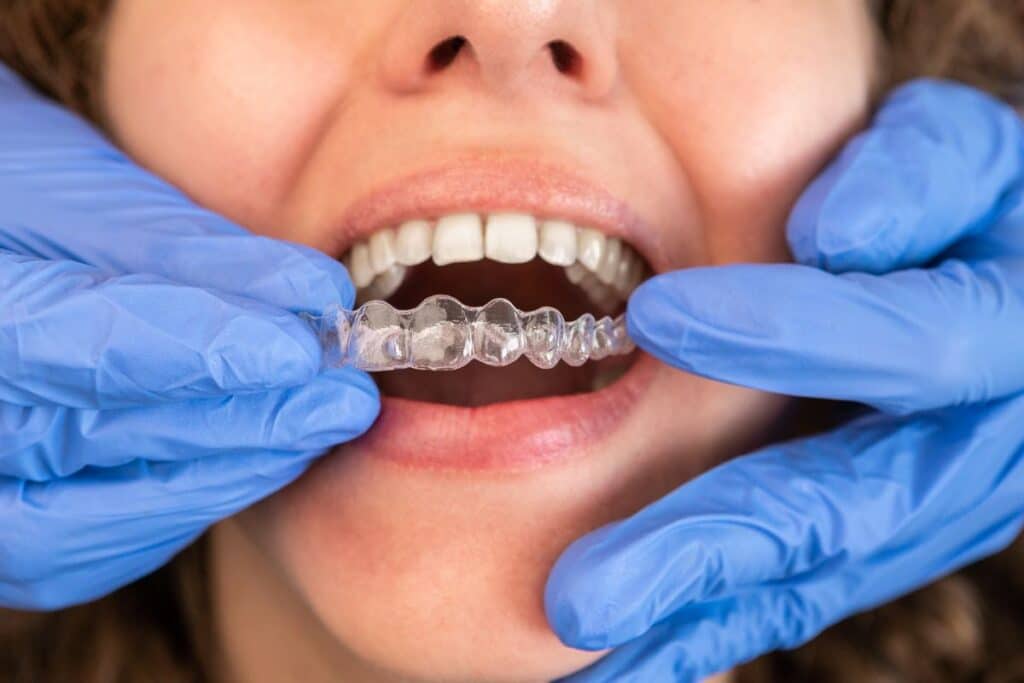
Invisalign has transformed modern orthodontic care by offering a discreet and comfortable way to straighten teeth. However, like any orthodontic treatment, Invisalign can affect your gum health if not properly managed. Concerns around Invisalign and gum recession—including Invisalign gum recession and even receding gums from Invisalign—often arise when aligners are worn incorrectly, or oral hygiene is overlooked.
At 7 North Dental, our Phoenix dental team emphasizes that gum recession during Invisalign treatment is not inevitable. With the right care, professional monitoring, and preventive steps, patients can maintain healthy gums while achieving a straighter smile.
In this blog, we’ll explain why gum recession can occur during Invisalign treatment, how to prevent it, and what signs to watch for—so you can move confidently through your orthodontic journey while protecting your gum health and smile.
Understanding Gum Recession
Gum recession occurs when the gum tissue gradually pulls away from the tooth surface, exposing more of the tooth or its root. This condition, often referred to as gumline recession, can create small gaps where bacteria accumulate, increasing the risk of plaque buildup, tooth sensitivity, and decay. If left untreated, even mild gum recession can progress and eventually compromise the stability of the affected tooth.
There are several gum recession causes, including aggressive brushing, existing gum disease, teeth grinding, misaligned teeth, and poor oral hygiene. During orthodontic treatment, such as Invisalign, maintaining excellent oral care becomes even more important. While Invisalign itself does not directly cause gum recession, improper aligner use, infrequent cleaning, or ignoring early signs of inflammation can contribute to gum irritation and recession over time.
Recognizing gum recession early allows dentists to intervene before it becomes severe. With proper oral hygiene, routine dental checkups, and professional monitoring during Invisalign treatment, gum health can be preserved, and long-term complications can be avoided
The Role of Invisalign in Gum Health
Invisalign is a highly effective and convenient orthodontic solution, but like any teeth-straightening treatment, it requires proper care to protect your gums. Concerns around Invisalign and gum recession often arise when aligners are not cleaned regularly or worn without maintaining good oral hygiene. While Invisalign does not directly cause gum recession, it can indirectly contribute to gumline recession if plaque and food particles become trapped between the aligners and teeth.
When plaque buildup is left unchecked, it can irritate the gums and trigger inflammation, one of the common causes of gum recession. Over time, this irritation may progress from mild gum recession to more noticeable gum loss. In some cases, patients may notice receding gums from Invisalign, especially if aligners are ill-fitting, worn incorrectly, or combined with aggressive brushing habits.
The key takeaway is that Invisalign gum recession is preventable. With proper aligner hygiene, regular dental checkups, and early attention to gum changes, patients can maintain healthy gums throughout their orthodontic treatment.
The Importance of Oral Hygiene
Excellent oral hygiene is essential for preventing gum recession, especially during Invisalign treatment. Brushing at least twice daily and flossing thoroughly helps remove plaque and food debris that can irritate the gums and contribute to gumline recession. Since aligners cover the teeth for most of the day, neglecting oral hygiene can accelerate plaque buildup and increase the risk of inflammation.
Using a soft-bristled toothbrush and gentle brushing techniques is especially important, as aggressive brushing is a known contributor to gum recession. Antibacterial mouth rinses and regular professional cleanings can further reduce the risk of developing mild gum recession during treatment.
By staying consistent with oral care routines and following your dentist’s guidance, you can successfully straighten your teeth with Invisalign while protecting your gums and preventing long-term gum health issues.
Protect Your Gums While Perfecting Your Smile
Invisalign can deliver incredible smile transformations—but maintaining healthy gums throughout treatment is just as important as straightening your teeth. Gum recession during Invisalign treatment is not inevitable. With consistent oral hygiene, proper aligner care, and regular dental monitoring, the risk of inflammation and gum damage can be significantly reduced.
At 7 North Dental, our Phoenix dentists closely monitor gum health during every stage of Invisalign treatment. Routine checkups allow us to catch early signs of irritation or mild gum recession and address them before they progress. Simple habits—like removing aligners before eating, cleaning them daily, brushing gently, and following your dentist’s wear instructions—go a long way in protecting your gumline.
Remember, a confident smile starts with healthy gums. If you’re considering Invisalign or already in treatment and have concerns about your gum health, schedule a consultation at 7 North Dental today. Our experienced team is here to guide you safely through your Invisalign journey—so you can achieve a straighter smile without compromising your oral health.
Frequently Asked Questions
Q: Can Invisalign cause gum recession?
A: Invisalign itself doesn’t directly cause gum recession. However, poor oral hygiene during treatment can contribute to gum recession.
Q: How can I prevent gum recession while using Invisalign?
A: Maintain excellent oral hygiene, including brushing, flossing, and mouthwash. Regular dental checkups are also essential.
Q: What are the signs of a gum recession?
A: Signs of gum recession, when known, can provide a sense of relief as you can identify the issue early. These signs include gum tissue pulling away from the teeth, tooth sensitivity, and visible root surfaces.
Q: Can the gum recession be reversed?
A: Sometimes, mild gum recession can be treated with non-surgical methods, offering hope for reversal. However, severe gum recession might require surgical intervention.
Q: How often should I see my dentist during Invisalign treatment?
A: Typically, Invisalign patients schedule appointments with their dentist every four to six weeks to monitor treatment progress and check gum health.