Visit 7 North Dental Today Or Call: 602-230-0811

Invisalign Treatment Timeline: How Long Does It Take?

A straighter smile develops gradually. Clear aligners guide teeth through a planned series of small movements rather than changing their positions all at once. Although many patients want a precise completion date before starting treatment, the duration varies depending on bite complexity, tooth movement, and daily wear.
Minor spacing or crowding may require several months, while more involved bite correction may take 12 to 18 months or longer. The only reliable estimate comes from a complete dental evaluation and digital treatment plan. At 7 North Dental, Dr. Brady evaluates each patient’s teeth, gums, bite, and goals before recommending care. Patients considering Invisalign in Phoenix receive an individualized timeline based on their current alignment and the movements required.
How Long Does Invisalign Usually Take?
The average treatment time is typically 12 to 18 months, but this range is not a guarantee. Some limited corrections can finish in approximately six months. More complex cases may need 18 months or longer. Align Technology notes that treatment time varies according to case complexity, product type, and wear compliance.
Your estimated schedule generally includes:
- The number of aligner sets prescribed
- The length of time each set is worn
- Scheduled progress evaluations
- Possible refinement trays
- Retainer planning after active treatment
An orthodontist or qualified dental provider must examine your mouth before estimating the timeline. Online estimates cannot account for bone response, gum health, or the precise direction each tooth needs to move.
What Factors Affect Clear Aligner Treatment Time?
Severity of Tooth Misalignment
Mild gaps and small rotations usually require fewer stages than significant crowding or bite problems. Correcting an overbite, underbite, crossbite, or open bite may involve several coordinated movements.
Number and Type of Tooth Movements
Some teeth move more predictably than others. Rotating a tooth, changing its vertical position, or moving its root may take additional time. Attachments may be placed on selected teeth to help the trays apply pressure more precisely.
Daily Aligner Wear
Most patients must wear their trays for 20 to 22 hours daily. The American Association of Orthodontists explains that clear aligners are commonly changed about once a week and should generally be worn for at least 22 hours per day.
Removing trays for long periods allows teeth to shift away from their planned positions. This can lead to poor fit, delayed changes, or additional aligners.
Oral Health During Treatment
Cavities, gum inflammation, or other untreated dental conditions can interrupt orthodontic care. Brushing, flossing, cleaning the trays, and attending routine dental visits help protect oral health throughout treatment.
Biological Response
Teeth do not move at the same speed for every patient. Age, bone density, tooth-root shape, and previous dental care can influence progress. Faster movement is not always safer, so the prescribed schedule should never be accelerated without clinical approval.
What Happens During the Treatment Process?
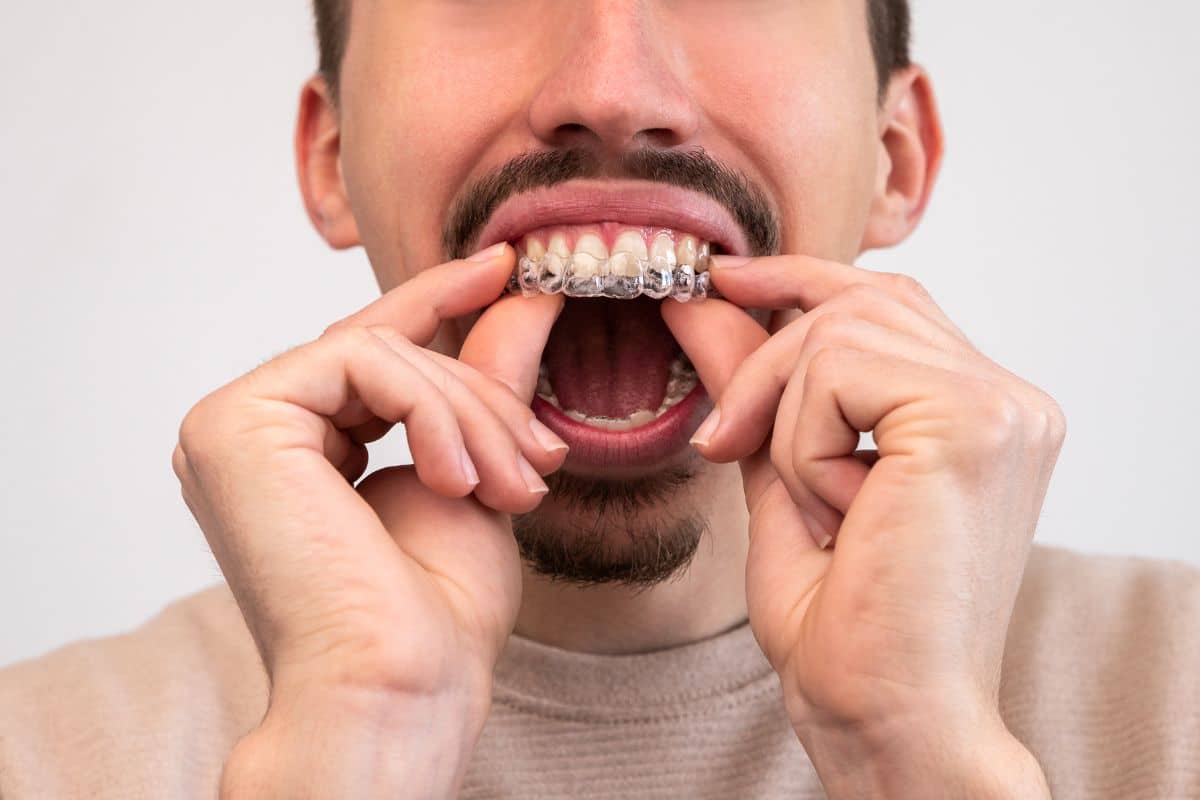
Treatment begins with an examination and digital records. Your provider maps the planned tooth movements and creates a sequence of removable trays. You then wear each set for the prescribed period before advancing to the next.
If you are considering invisalign in Phoenix, visit our dental practice for an evaluation at 7 North Dental. Progress appointments allow the provider to check tray fit, evaluate tooth movement, and address concerns before they affect the schedule. An orthodontist may also be consulted when a bite requires more complex planning.
How Can You Avoid Delays?
You play an important role in keeping treatment on schedule. Follow these habits:
- Wear trays for the prescribed number of hours.
- Change sets only on the date provided.
- Remove them before eating or drinking anything except water.
- Brush before putting them back in.
- Keep every progress appointment.
- Contact the office if a tray cracks, is lost, or stops fitting.
- Do not skip ahead to a later set.
- Wear retainers as directed after treatment.
Consistency is especially important with Invisalign because the trays are removable. Tracking daily wear can make it easier to maintain your routine.
When Will You Begin Seeing Results?
Some patients notice small changes within several weeks, but visible progress differs from treatment completion. Teeth may appear straighter before the bite is fully corrected or the roots reach their planned positions.
Photos can help you recognize gradual improvement. However, your provider’s evaluation is the more reliable measure of progress. If movement does not match the digital plan, refinement trays may be ordered to complete the remaining corrections.
Start Planning Your Straighter Smile in Phoenix
Treatment time depends on your bite, oral health, required tooth movements, and commitment to wearing the trays. A personalized evaluation provides a far more accurate answer than a general online estimate. To learn what invisalign in Phoenix may involve for your smile, contact 7 North Dental and book an appointment for a comprehensive consultation.
Frequently Asked Questions
Can Invisalign work in six months?
Some mild alignment concerns may be corrected in about six months. Your actual timeline depends on the number and complexity of tooth movements. A clinical evaluation is needed to determine whether a shorter plan is appropriate.
Why is my clear aligner treatment taking longer than expected?
Inconsistent wear, missed visits, lost trays, oral health problems, or teeth moving differently than predicted may extend treatment. Contact your dental provider promptly if a tray no longer fits properly.
Can I change my aligners sooner to finish faster?
No. Changing trays early may place excessive pressure on the teeth or cause movement to fall behind schedule. Always follow the schedule prescribed by your provider.
Are refinement trays a sign that treatment failed?
No. Refinements are additional aligners used to improve movements that need further correction. They are a standard part of treatment for many patients and help achieve more precise results.
Will I need a retainer after clear aligner treatment?
Yes. Teeth can gradually shift after active treatment ends. Wearing a retainer as directed helps preserve the new alignment and protect the time invested in your smile.
How often are progress appointments needed?
Visit frequency depends on the treatment plan and provider. Modern orthodontic appointments may sometimes be scheduled six to ten weeks apart, although individual needs vary.