Visit 7 North Dental Today Or Call: 602-230-0811

How to Avoid Fungal Infections Following Dental Implant Procedure
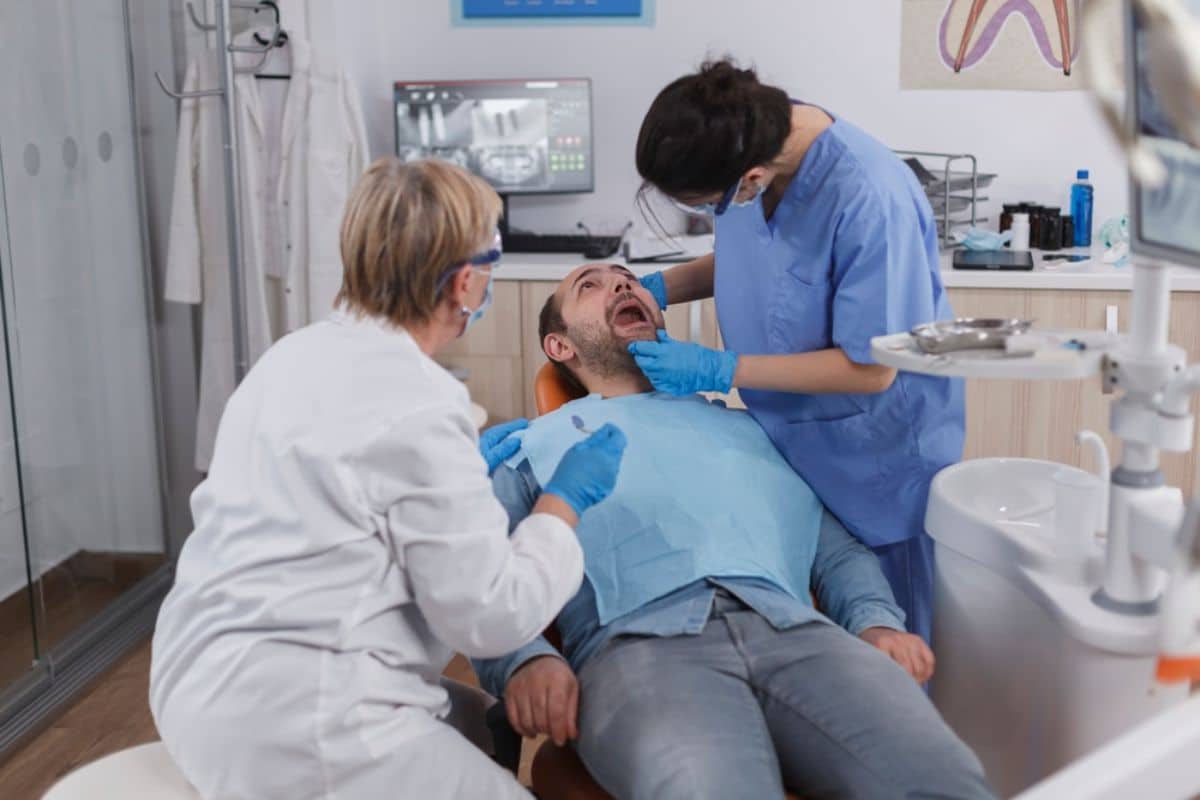
Dental implants are a reliable solution for restoring your smile, but concerns about post-surgical complications and infection after dental implants, which can be fungal infections. Though uncommon, infection in dental implant cases, such as “oral candidiasis” caused by Candida albicans, can develop. An infected tooth implant may lead to discomfort and require prompt attention. Fortunately, with proper oral hygiene and aftercare, the risk of developing an infected implant is low, and your implants can remain healthy and functional for many years.
Causes and Prevention of Fungal Infections in Implants
What Causes Fungal Infections After Dental Implant Surgery?
Fungal infection, most often oral candidiasis, occurs when the soft tissues near dental implants have an overgrowth of Candida albicans. This can become painful, reddened, and, in severe cases, result in implant failure if not treated. Those with a compromised immune system, diabetes, or who use antibiotics or corticosteroids are at a greater risk.
Can a dental implant become infected years later?
Dental implants can develop infections even years after placement if oral hygiene is neglected or underlying conditions are not managed. Regular dental visits help prevent long-term complications.
After receiving dental implants in Phoenix, AZ, maintaining excellent oral hygiene is essential to support healing and prevent complications. Your dentist will guide you through proper care techniques to ensure your implant tooth integrates successfully and remains healthy. With regular check-ups and at-home care, dental implants can offer long-term function and comfort—while your Phoenix dental team is always ready to address any concerns along the way.
How Common is Infection After a Dental Implant?
Infections after dental implants are uncommon, affecting only a small percentage of patients, especially when proper oral hygiene and post-care instructions are followed.
Signs You Might Have an Infected Implant
It is crucial to be aware of the initial signs of oral candidiasis to avoid additional complications. Watch out for:
- White spots on your tongue, gums, or inner cheeks
- A burning sensation in your mouth
- Redness or soreness near the implant site
- Difficulty swallowing or tasting food
If you encounter any of these signs, contact your dentist immediately for examination and treatment.
How do you know if your dental implant is infected?
Recognizing the symptoms of an infected dental implant, such as recurrent pain, swelling, bleeding, foul odor, and gum recession, is crucial. Early detection and prompt treatment are key to successful recovery.
Preventing Fungal Infections in Dental Implants: Healthy Smile Tips
Preventive measures can considerably reduce the risk of fungal infections. Here’s how:
1. Excellent oral hygiene
Brushing twice daily and flossing once daily is critical, particularly near dental implants. Brush using a soft-bristled toothbrush and non-abrasive toothpaste so you don’t irritate the gums.
2. Utilize an Antifungal Mouthwash
Your dentist might prescribe an antifungal mouthwash to reduce fungal development. This is particularly helpful if you have experienced oral candidiasis in the past.
3. Maintain A Balanced Diet
A diet high in sugar can encourage fungal growth. To support your immune system, stick to a balanced diet with plenty of fresh vegetables, lean proteins, and whole grains.
4. Stay Hydrated
A dry mouth can encourage fungi to thrive. Drink plenty of water and, if necessary, use sugar-free lozenges to stimulate saliva production.
5. Address Underlying Health Conditions
Illnesses such as diabetes can make you more susceptible to infection. Taking care of your overall health is one of the most important things you can do to maintain your implants in good health.
What is the optimal treatment for an infected dental implant?
Treatment ranges from antifungal medications and professional cleanings to, in extreme circumstances, removal of the implant. The sooner you get treated, the less likely complications will arise. It’s important to remember that these treatments are effective and can help you regain your oral health.
Treatment Choices for Fungal Infections
Should a fungal infection occur, several treatments can be used:
1. Antifungal Drugs
Your dentist will prescribe antifungal drugs such as fluconazole to eradicate the infection safely.
2. Professional Cleaning
Regular visits to 7 North Dental enable us to detect and treat potential complications before they lead to serious complications. Professional cleanings eliminate plaque and bacteria that may lead to infections.
When to Visit a Phoenix Dentist
If you believe you have a fungal infection or feel itchy and uncomfortable around your dental implant, don’t hesitate. The sooner you get help, the better your chances of saving oral health. Early detection and treatment can prevent the infection from worsening and causing more serious complications. 7 North Dental’s skilled staff will assist you in keeping your smile healthy and confident.
Regular care and visits allow your Phoenix, AZ, dental implants to be strong and infection-free. If you have any questions about your dental implants, contact our experts now!
FAQs
Q. What Are the Odds of Getting an Infection After Dental Implants?
A: Fortunately, dental implant infections are uncommon, affecting only 5–10% of cases. Most implants—over 90%—heal smoothly. But if infection does occur, prompt treatment is essential.
Q. Can You Get a Fungal Infection From Dental Work?
A: Dental procedures generate water and aerosols that can carry fungal species, posing a potential risk—especially for immunocompromised patients.
Q. Is Hydrogen Peroxide Good for Dental Implant Infection?
A: Simple home remedies like saltwater rinses, hydrogen peroxide, clove oil, and turmeric paste can offer quick relief for infections around dental implants.
Q. Can Implant Cause Yeast Infection?
A: Dental implants themselves don’t cause yeast infections, but poor oral hygiene, ill-fitting restorations, or weakened immunity can increase the risk of oral thrush around them.
Q. How to Treat a Dental Implant Infection at Home?
A: You can manage mild implant infection symptoms at home with warm saltwater rinses and good oral hygiene, but professional dental care is essential for proper treatment.