Visit 7 North Dental Today Or Call: 602-230-0811

How Safe is Sedation Dentistry for Children & Seniors?

Visiting to the dentist is always stressful, especially for children and seniors. Many patients feel anxious, uncomfortable, or fearful during the procedure. The sedation process has been considered a way of making treatments less painful and disturbing. But is it safe for kids and seniors? Let’s find out how secure it is for them with its benefits, risks, and considerations.
Is Sedation Dentistry Safe for Kids and Seniors?
Understanding Sedation Dentistry
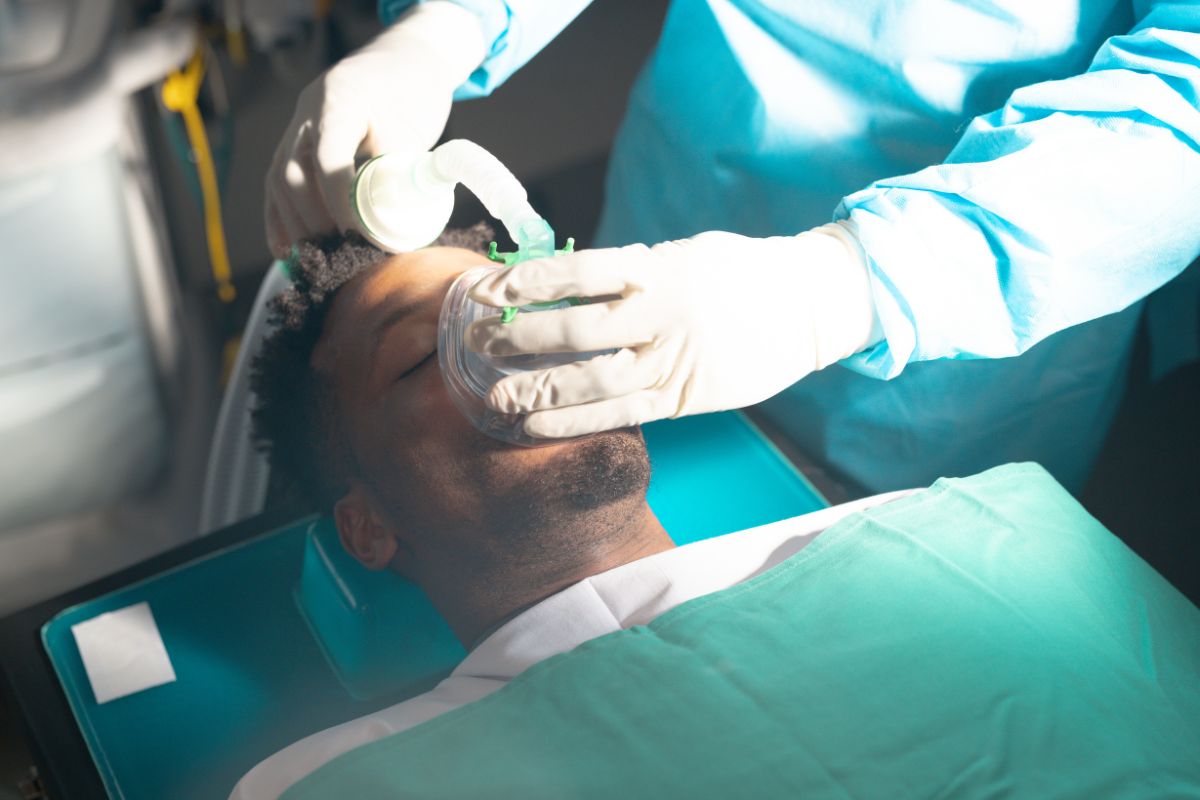
Sedation dentistry uses medications to help patients relax during dental treatments. The sedation level can range from mild relaxation to deep sedation, depending on the patient’s needs and the procedure’s complexity.
Common sedation options include:
- Nitrous Oxide (“laughing gas” ): A mild sedative for relaxation.
- Oral Sedatives: Pills taken before the procedure for moderate relaxation.
- Intravenous (IV) Sedation: A more profound sedation administered through an IV.
Dentists assess the patient’s medical history, current health, and emotional needs before settling on a sedation method. This way, it is well-tailored and safe.
Why People Choose Sedation Dentistry
- It relieves anxiety and fear and relaxes the patient, especially in cases of dental phobia.
- It eases complex treatments and makes long or complicated procedures comfortable.
- Improves cooperation: Beneficial for children or patients who cannot sit still during treatment.
These basics show that sedation dentistry has a lot of value. However, specific considerations must be made, especially with children and older people.
Sedation Dentistry for Children: Advantages and Disadvantages
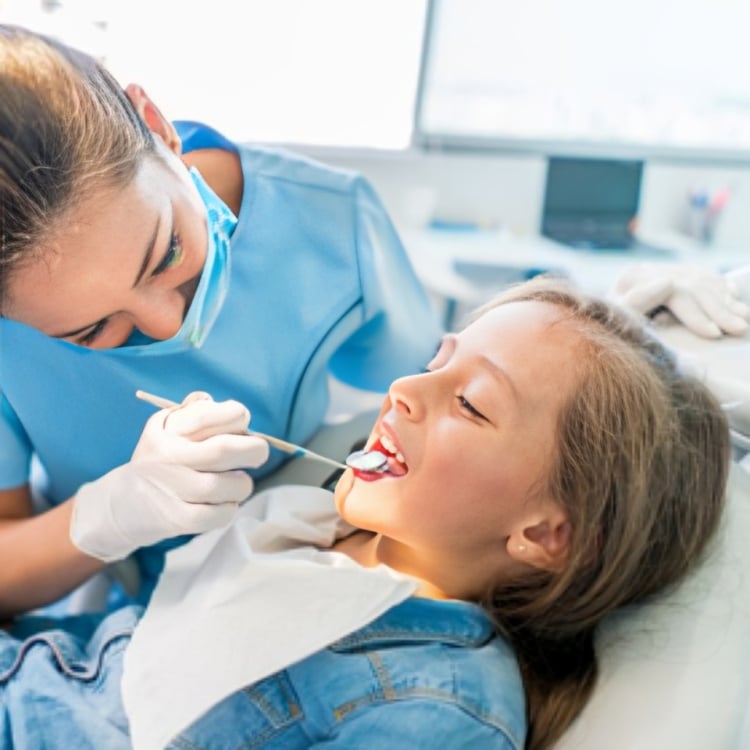
For children, dental visits can be overwhelming due to fear of needles, loud instruments, or unknown surroundings. Sedation dentistry offers a comforting solution, ensuring a less stressful visit while prioritizing safety.
Advantages to Children
- Less Stressful Treatment: Sedation helps alleviate anxiety, making a visit more tolerable.
- Pain Control: The child will not feel any pain, and the procedure will be more straightforward.
- Age-Specific Techniques: The dentist will use appropriate sedation techniques for children, thus ensuring safety.
Sedation is particularly helpful for children with special needs, as it allows them to receive dental care.
Risks and Challenges
Although safe when used appropriately, sedation carries risks:
- Allergic Reactions: Some children may be allergic to sedation drugs.
- Over-Sedation: Too much medication can cause a child to breathe slowly or take longer to recover.
- Parental Anxiety: Parents tend to be anxious about the long-term effects, which are unlikely due to sedation.
Take risks at bay with an experienced pediatric dentist and make sure the patient is thoroughly evaluated before sedation properly for their health and appropriateness. This evaluation includes a review of the patient’s medical history, current health, and emotional needs.
Sedation Dentistry for the Elderly: Issues and Problems
Older people pose specific challenges for dental visits; they often suffer from chronic medical conditions, low mobility, and increased sensitivity to pain. However, with careful planning and the involvement of a responsible caregiver, this can be dealt with using sedation dentistry.
Benefits to the Elderly
- Comfort and relaxation: Sedation reduces anxiety in patients, rendering visits less straining.
- Underlying Medical Issues: Arthritis, dementia, or Parkinson’s disease can make it challenging for any patient to be seated during procedures. Sedation ensures comfort through lengthy procedures.
- Pain-Free: Sedates away the sensation of pain as most elderly live with chronic conditions.
Risks and Challenges
Safety is quite a concern, especially in such patients, since medication may interact to worsen issues like hypertension , diabetes, or heart conditions, or further exacerbate an already problematic cardiac condition.
- Health Vulnerabilities: Reduced respiratory function or slower metabolism can complicate recovery.
- Over-Sensitivity: Seniors are more sensitive to sedatives, requiring precise dosing.
Choose a dentist experienced in treating older adults and ensure comprehensive pre-sedation evaluations to identify potential risks.
Factors Influencing Safety in Sedation Dentistry
Sedation dentistry can be safe under proper supervision. Key factors include:
- Medical History: A detailed review of conditions, medications, and allergies.
- Type of Sedation: Minimal, moderate, or deep sedation depends on the patient’s age, health, and procedure complexity.
- Dentist Expertise: It’s crucial to ensure the dentist administering sedation is certified and experienced. This expertise provides a sense of security, knowing that you or your loved one is in capable hands.
- Monitoring During Procedures: Heart rate, oxygen levels, and blood pressure must be continuously monitored to maintain safety.
When the key factors of sedation dentistry are carefully managed, it becomes a safe and effective option. This reassurance should instill a sense of confidence in the audience about the safety of the procedure.
Is Sedation Dentistry Right for You or Your Loved Ones?
Use sedation dentistry when a situation requires individual care and circumstances dictate it. To children, this method means there is no more pain or fear; therefore, the visits would be pretty fantastic. To older people, comfort during lengthy, complex procedures means improvement in the quality of their care.
See an experienced dentist. Talk openly about and get good reviews for evaluations from the dentist in charge to ease your anxiety before going for any dental visit.
Sedation dentistry makes stressful appointments positive experiences because it addresses the unique challenges of children and seniors. Choose a qualified dentist to get the best care for you and your loved ones.