Visit 7 North Dental Today Or Call: 602-230-0811

How Long Will Root Canal Treatment Take?
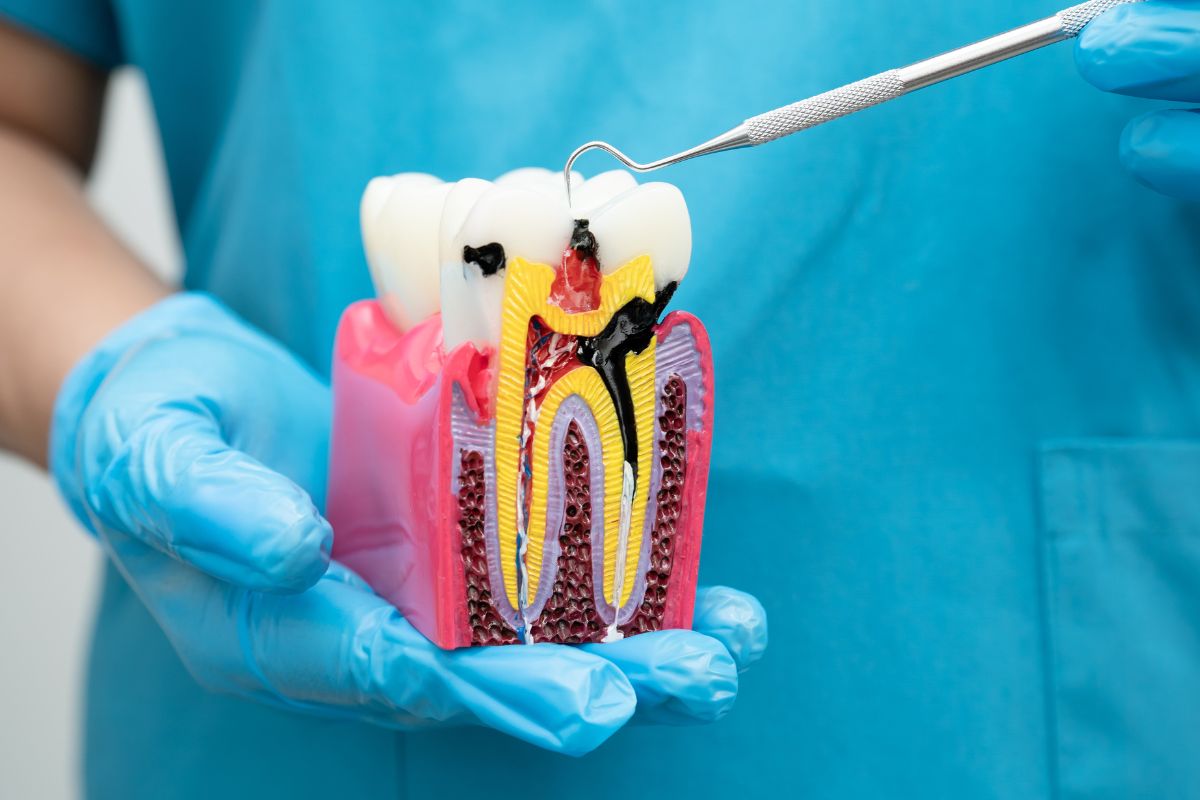
In most cases, it takes 1 to 2 hours. However, the exact duration can vary depending on several factors, such as the tooth being treated and your specific case. This blog will discuss the expected treatment time, the steps involved, and what you can expect during your procedure.
At 7 North Dental, we are committed to providing high-quality dental care that ensures comfort and peace of mind. Continue reading to explore everything you need to know about root canal therapy in Phoenix.
Understanding A Dental Pulp Removal Treatment Duration
Root canal treatment (RCT) is a standard oral surgical procedure that helps save a damaged or infected tooth. However, most people ask, ‘How long will it take?’
While it may sound complex, the process can be broken down into manageable steps. The overall time depends on several factors, such as the complexity of the infection, the number of roots in the tooth, and whether the tooth is located in the front or back of your mouth. Additionally, understanding the risks of a root canal can help set expectations for the treatment duration. While the procedure is generally safe, complications like a difficult-to-reach infection or a multi-rooted tooth can extend the process.
What To Expect During An Endodontic Treatment?
Typically, the root canal takes anywhere between 1 and 2 hours. For a simpler case, such as a single-rooted tooth, the procedure could be completed within an hour. However, it might take longer for complex cases like molars with multiple roots. Some patients require multiple visits to complete the treatment, especially if the infection has spread deep into the tooth. Most patients complete the process in a single visit, but follow-up treatments are necessary for sealing the tooth or placing a crown.
Step-By-Step Breakdown Of Root Canal Treatment
Knowing what to expect during the procedure can help calm any anxieties about the time commitment. Here is a quick overview of the key stages:
1. Initial Consultation And X-ray
Before the treatment begins, your dentist will take an X-ray to get a clear picture of the extent of damage and infection. This helps determine how complex the procedure will be.
2. Numbing The Area
The dentist will apply a local anesthetic to numb the area around the tooth. You might feel a slight pinch, but the process is generally painless.
3. Accessing The Canal
The dentist will create a small opening in the top of the tooth to access the pulp (the soft tissue inside). This step usually takes a short amount of time and is relatively straightforward.
4. Cleaning The Canal
The next step involves cleaning the infected tissue inside the tooth and shaping the area to prevent further infection. This is the most time-consuming part of the procedure, particularly for multi-rooted teeth.
5. Sealing The Tooth
After cleaning, the dentist will seal the canal with a rubber-like material. This step usually takes less time than cleaning but is crucial for preventing re-infection.
6. Placement Of A Temporary Filling
If the tooth needs further treatment, such as a crown, a temporary filling will be placed until the next appointment.
Who Needs A Dental Root Procedure?
Not everyone will require canal root treatment, but certain signs suggest it may be necessary. Typically, candidates for root canal tooth treatment experience persistent tooth pain, sensitivity to hot or cold, or discomfort when chewing.
Further, people with conditions like a deep cavity, a cracked tooth, or an injury to the tooth that exposes the pulp are also recommended for a root canal treatment.
Additionally, if an X-ray reveals an infection or abscess in the tooth’s root, a dental root canal treatment is the best way to prevent bacterial spread and preserve the tooth. It is essential to consult with a specialist, who will evaluate your symptoms and suggest the appropriate course of action. Taking care of oral issues early on can prevent severe conditions, reducing the need for invasive procedures like tooth extraction.
Factors That Affect Root Canal Treatment Time
Several factors can influence how long your root therapy lasts. These include:
- Tooth Location And Complexity
The back teeth, such as molars, tend to have more complex root systems, requiring more time to clean and seal properly. Front teeth with a single root can often be treated more quickly.
- Infection Severity
The process may take longer if the infection is deep or has significant damage. Sometimes, multiple appointments are needed to completely remove the infection and allow the tooth to heal appropriately.
- Previous Dental Work
If the tooth has had previous fillings, crowns, or dental pulp removal, the dentist may need extra time to deal with the existing materials.
- Presence of Additional Procedures
They will add time to the overall treatment process if you need additional procedures, like a multiple-stage dental root canal treatment or a follow-up crown placement.
Can A Tooth Nerve Removal Be Done In One Visit?
In many cases, RCT treatment can be completed in a single visit. However, it depends on the complexity of the infection and the number of roots in the tooth. A single-visit procedure might involve a temporary filling until a permanent crown is placed. If the infection is extensive, your dentist may perform the procedure over two visits: one for cleaning and shaping, and another for sealing and restoration.
What Happens If You Do Not Get A Root Canal?
Untreated infections can lead to abscesses, severe pain, and further tooth damage. While long-term side effects of root canal treatment are rare, untreated infections can lead to complications, including bone loss around the tooth or spreading infection to surrounding areas.
By opting for a root canal treatment, you prevent these risks and save your tooth from extraction. It is crucial to address the issue early on to avoid severe complications.
Schedule Your Endodontic Treatment With Us Today!
Root canal therapy in Phoenix is a reliable and effective treatment for saving damaged or infected teeth. At 7 North Dental, we prioritize your comfort and care, ensuring a seamless experience throughout the process. If you are experiencing symptoms of infection or discomfort, trust our experienced team to provide precise, compassionate treatment. Contact us today to schedule your consultation for expert guidance on your dental health needs!
FAQs
Q. How long does a root canal last without a crown?
A: Technically, the tooth can last without a crown for a while, but getting a crown after root canal therapy is highly recommended. Without proper restoration, the tooth will be weakened, making it more susceptible to fractures. Most dentists will place a crown to ensure the tooth’s long-term health.
Q. Is it painful to have a root canal?
A: Modern root canals aren’t painful thanks to effective anesthesia. Any discomfort is mild and short-lived, far less than the pain of the infection itself.
Q. Will a root canal fix jaw pain?
A: Severe tooth or jaw pain when chewing may signal infection. A root canal removes the infected tissue, relieves pain, and saves the tooth.