Visit 7 North Dental Today Or Call: 602-230-0811

From Ache to Ease: Strategies for a Pain-Free Implant Journey
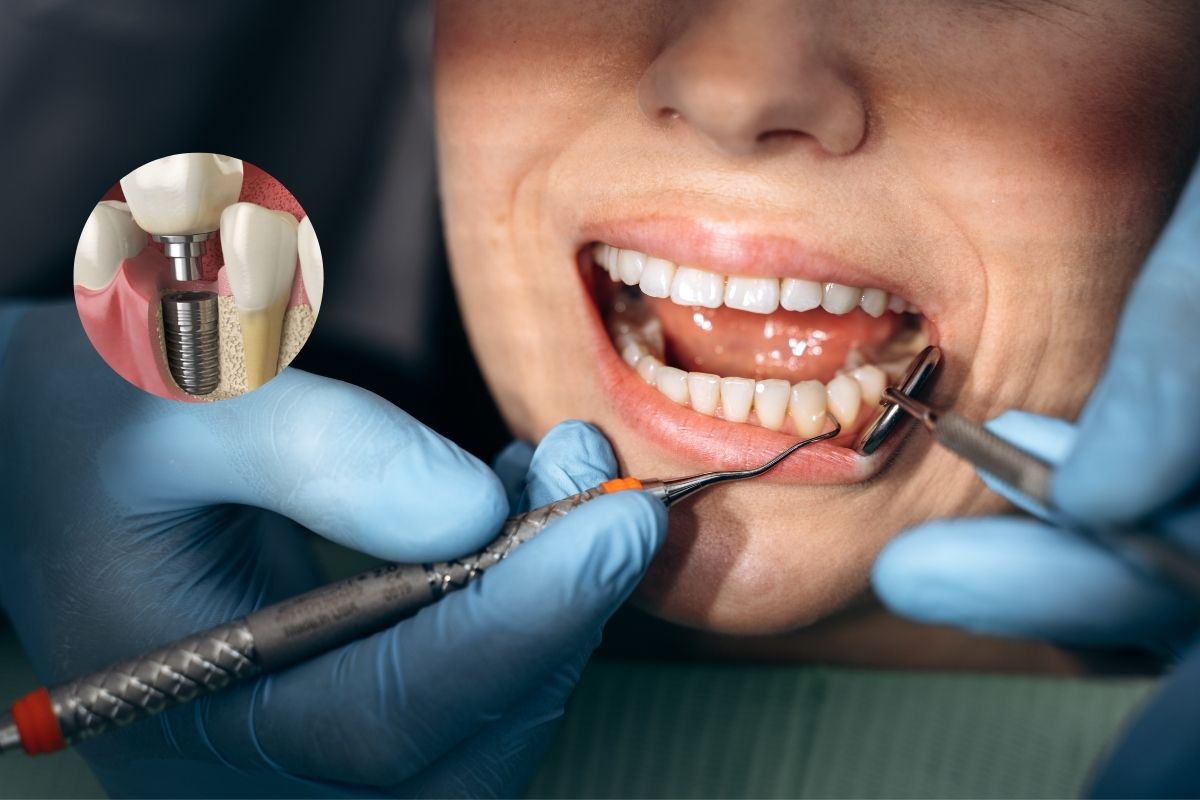
“You will have to undergo surgery!” Hearing this from a dentist makes people anxious. The very thought of dental implant surgery can be unsettling, especially for people with dentophobia. Various questions like, ‘What happens during the procedure?” “What to do post-surgery?” or even “How long will it take to recover?” pertain in the mind. Not anymore. If your dentist has suggested fixing your oral issue with implants or you are considering opting for it, this blog is for you. As said, information is the key. Let us enlighten you with the details so you stay at ease while you restore your new smile.
How to Reduce Pain During And After Dental Implant Surgery?
Dental implant surgery, while a highly effective solution for missing teeth, is a surgical procedure, and some discomfort during and after is expected. However, with modern techniques and proper management, this pain can be significantly reduced, making your recovery as smooth as possible.
How to Reduce Pain During the Dental Implant Surgery?
The primary method for pain control during dental implant surgery is local anesthesia. Your oral surgeon will administer a powerful numbing agent to the surgical site, ensuring you feel no pain, only pressure or movement. For patients with dental anxiety or those undergoing more extensive procedures, options like sedation dentistry (oral sedatives, nitrous oxide, or IV sedation) are available. These can induce a state of relaxation or even twilight sleep, making the entire experience more comfortable and reducing your perception of the procedure. Discuss these options with your surgeon beforehand to determine the best approach for you.
How to Manage Post-Operative Pain from Dental Implant Surgery?
Once the local anesthesia wears off, you’ll likely experience some discomfort, swelling, and bruising. Here’s how to manage it:
Medication is Key:
- Prescription Pain Relievers: Your surgeon will likely prescribe pain medication, often a combination of an anti-inflammatory (like ibuprofen) and a stronger analgesic. Take these as directed, even if you feel okay, to stay ahead of the pain.
- Over-the-Counter (OTC) Pain Relievers: For milder discomfort, OTC options like ibuprofen (Advil, Motrin) or acetaminophen (Tylenol) can be very effective. NSAIDs (Non-Steroidal Anti-Inflammatory Drugs) like ibuprofen are often preferred as they also help reduce swelling.
Cold Compress:
Apply an ice pack or a bag of frozen peas wrapped in a cloth to the outside of your cheek, over the surgical area. Apply for 20 minutes on, 20 minutes off, for the first 24-48 hours. This significantly helps reduce swelling and pain.
Soft Diet:
Stick to smooth, non-chewy foods for the first few days. Avoid anything hard, crunchy, hot, or spicy that could irritate the surgical site or dislodge the blood clot. Smoothies, yogurt, mashed potatoes, and soft scrambled eggs are good choices.
Oral Hygiene (Gentle!):
Maintain excellent oral hygiene, but be very gentle around the surgical site. Your surgeon will likely recommend a prescription antiseptic mouthwash (like chlorhexidine) to keep the area clean and prevent infection. Avoid aggressive rinsing or spitting.
Rest and Elevation:
Get plenty of rest. When lying down, elevate your head with pillows to help minimize swelling.
Avoid Certain Activities:
Steer clear of strenuous exercise, smoking, and alcohol, as these can impede healing and increase pain. Also, avoid using straws, as the suction can dislodge the blood clot.
Following these guidelines and your surgeon’s specific instructions can significantly reduce pain and ensure a smoother, faster recovery from your dental implant surgery.
What Happens Post-Surgery?
The First Few Hours
The implant is now placed. However, you will feel mild discomfort and dizziness as the effect of anesthesia wears off. Managing it as instructed by your dentist will help you recover fast. Below are some signs you will experience right after the treatment. Don’y panic! These fade within a few hours.
Tips To Lessen Pain
- Mild bleeding from the site, which slows down in hours.
- Heightened swelling after 48 hours, but a cold compress helps here.
- Stick to soft foods to avoid irritation on the surgical site.
The Next Few Days
These days are crucial, and you should be proactive. The swelling will be more visible on the second and third days. However, it is a natural part of the healing process.
Tips To Alleviate Pain
- Lift your head while sleeping to reduce discomfort.
- Use the prescribed medications to minimize pain.
- Rinsing the mouth with lukewarm water promotes healing and keeps the area infection-free.
- Quit smoking and the use of straws, as they will slow the recovery.
- Skip chewing on the side of your mouth where the implant was placed for a few days.
Long-Term Comfort During Recovery
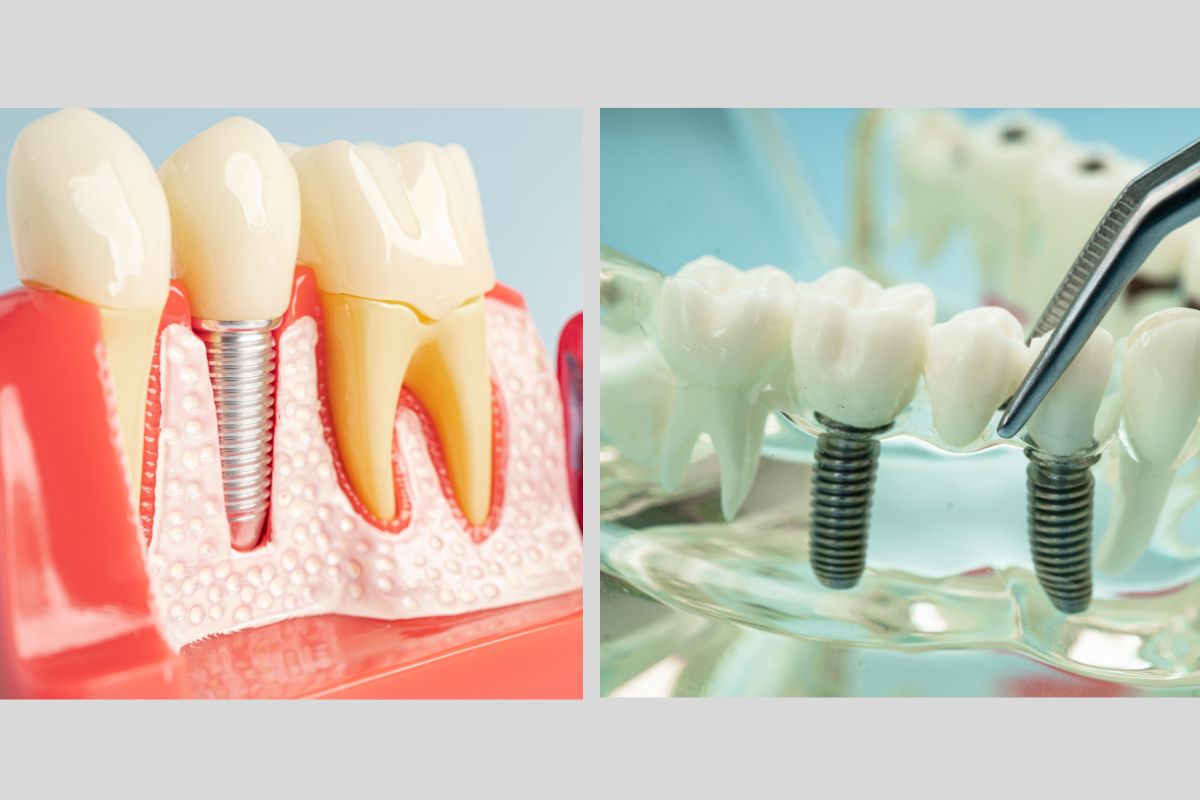
Your body will begin to heal in the next few weeks. The implant will integrate with the jawbone, a process called osseointegration. Although you will notice changes within days, complete healing takes time, like months.
Moreover, you will have follow-up visits to ensure everything is on track.
Some mild discomfort may persist, but they are manageable. Adhering to a soft food diet and practicing good oral hygiene can help prevent complications.