Visit 7 North Dental Today Or Call: 602-230-0811

Exploring Age Restrictions for Sedation Dentistry: What You Need to Know
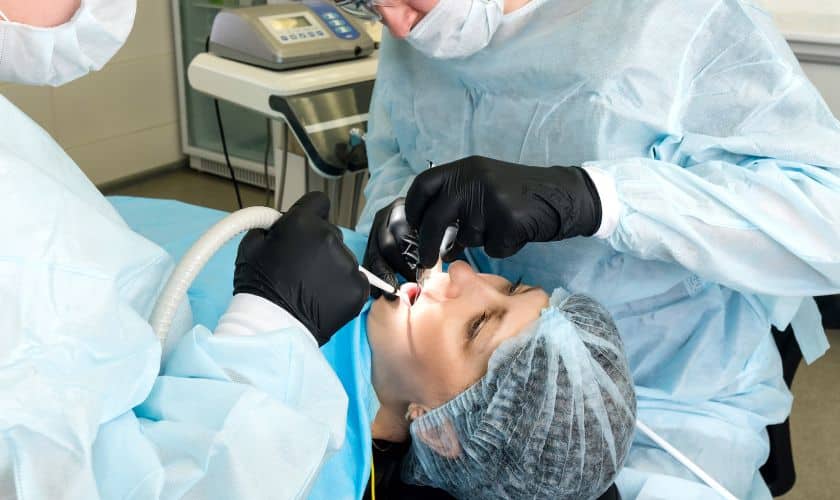
As modern dentistry continues to evolve, so do the techniques and options available to patients. Sedation dentistry has emerged as a valuable tool in helping individuals manage anxiety, fear, or discomfort associated with dental procedures. However, a common question that arises is whether there are age restrictions for undergoing sedation dentistry. In this blog, we’ll delve into this topic to provide a comprehensive understanding of age considerations in sedation dentistry.
Understanding Sedation Dentistry:
Before we delve into age restrictions, let’s first grasp the basics of sedation dentistry. Sedation dentistry involves the use of medication to help patients relax during dental procedures. It’s particularly beneficial for individuals with dental phobias, anxiety, or those undergoing extensive treatments where prolonged periods in the dental chair are necessary.
Types of Sedation:
Sedation in dentistry comes in various forms, including:
- Minimal Sedation: Patients remain awake but relaxed.
- Moderate Sedation (Conscious Sedation): Patients may slur their words and have little recollection of the procedure.
- Deep Sedation: Patients are on the edge of consciousness but can still be awakened.
- General Anesthesia: Patients are completely unconscious.
The type of sedation used depends on the patient’s anxiety level, the complexity of the procedure, and the dentist’s recommendation.
Age Restrictions:
Now, let’s address the question: Are there any age restrictions for sedation dentistry? The answer is nuanced.
Pediatric Patients:
For pediatric patients, sedation dentistry is a valuable option, especially for those with special needs, anxiety, or difficulty cooperating during dental procedures. However, there are specific guidelines and precautions for administering sedation to children. Pediatric dentists are trained to assess each child’s individual needs and determine the most appropriate sedation method. Age, weight, medical history, and the complexity of the procedure are all taken into account.
Elderly Patients:
On the other end of the spectrum, elderly patients may also benefit from sedation dentistry. Age alone is not a determining factor for eligibility. However, elderly patients may have underlying health conditions or medications that could affect how they respond to sedation. It’s crucial for dentists to conduct a thorough medical evaluation and review the patient’s medical history and current medications to ensure safety.
Adult Patients:
For adults, there typically aren’t strict age restrictions for sedation dentistry. Instead, eligibility is determined on a case-by-case basis. Factors such as overall health, medical history, anxiety level, and the complexity of the dental procedure all play a role in the decision-making process.
Safety Considerations:
Regardless of age, safety is paramount in sedation dentistry. Dentists who offer sedation services undergo specialized training to ensure they can administer sedation safely and effectively. Additionally, they closely monitor patients throughout the procedure to detect any signs of distress or complications promptly.
Conclusion:
While there aren’t rigid age restrictions for sedation dentistry, patient safety remains the top priority. Whether you’re a pediatric patient, elderly individual, or adult seeking dental treatment, the decision to undergo sedation will depend on various factors assessed by your dentist. By carefully evaluating each patient’s needs and medical history, dentists can determine the most suitable sedation approach to ensure a comfortable and stress-free dental experience.
If you have any concerns or questions about sedation dentistry, don’t hesitate to discuss them with your dentist. With the right guidance and expertise, sedation dentistry can help patients of all ages achieve optimal oral health while minimizing anxiety and discomfort during dental visits.