Visit 7 North Dental Today Or Call: 602-230-0811

What Shortens the Life of Veneers? Common Mistakes Explained
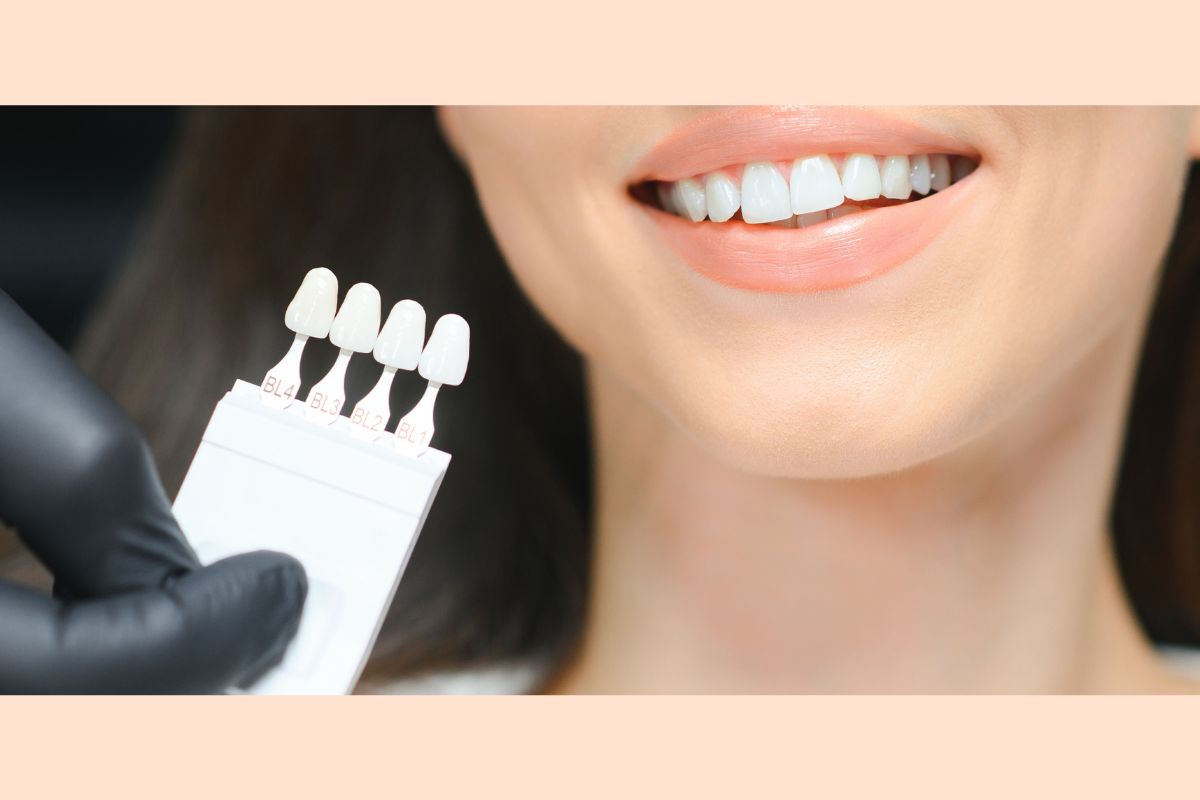
Most veneers do not fail because the material wears out too quickly. They fail because everyday habits gradually place stress on the restoration, weaken the supporting tooth, or affect the surrounding gum tissue. Many patients are surprised to learn that small choices made every day can influence how long they remain healthy, functional, and attractive.
That is especially important for residents who spend time outdoors year-round. Frequent sun exposure, dehydration, sports activities, coffee consumption, and certain dietary habits can all influence oral health in ways that indirectly affect veneer longevity. Understanding these risks can help you protect your investment and avoid preventable repairs.
At 7 North Dental, Dr. Chadwick Brady and Dr. Chase Wedemeier help patients maintain healthy, long-lasting smiles through preventive care and personalized treatment planning. Drawing from what they see in everyday clinical practice, this guide explains the most common mistakes that can shorten the lifespan and what you can do to avoid them.
Why Do Some Veneers Last Longer Than Others?
These porcelain shells tend to last longer when the supporting teeth and gums remain healthy and when patients avoid habits that place excessive stress on them.
The veneer itself is only one part of the equation. Long-term success depends on the condition of the underlying tooth structure, the stability of the bite, daily hygiene habits, and regular professional monitoring. Patients who maintain these factors often enjoy their oral appliances for many years.
What Causes Veneers to Fail Earlier Than Expected?
Most premature failures are caused by grinding, trauma, poor oral hygiene, gum recession, or untreated dental problems rather than defects.
When these dental facades fail prematurely, the cause is often preventable. Tiny cracks can develop from repeated pressure. Gum recession can expose the margins. Decay can form around the edges of the restoration. These issues typically develop gradually, making routine dental examinations particularly important.
Mistake #1: Treating Your Teeth Like Tools
Using your teeth to open packages, tear wrappers, or bite hard objects can create excessive force that can damage the shells.
Many people do this without thinking. Opening a protein bar wrapper after a workout or tearing tape during a home project may seem harmless, but these habits create concentrated pressure on the front teeth.
Avoid using the enamel overlays for anything other than eating food. A simple habit change can significantly reduce the risk of chips and fractures.
Mistake #2: Ignoring Teeth Grinding and Clenching
Teeth grinding places repeated pressure and is one of the most common causes of premature wear and damage.
Many people grind their teeth while sleeping and never realize it. Some first-notice symptoms include morning headaches, jaw soreness, or facial muscle fatigue.
At 7 North Dental, patients are often surprised to learn that even mild grinding can create thousands of pounds of cumulative pressure over time. A professionally fitted night guard can help protect both the tooth coverings and natural teeth from unnecessary wear.
Mistake #3: Underestimating the Effects of Dehydration
Chronic dehydration can contribute to dry mouth, which increases the risk of decay and gum problems.
This is one of the most overlooked concerns among local residents seeking dental veneers in Phoenix.
Whether you spend weekends hiking Camelback Mountain, golfing throughout the Valley, attending spring training games, or simply commuting during the hottest months of the year, staying hydrated matters more than many people realize.
Saliva helps wash away bacteria, neutralize acids, and protect tooth enamel. When saliva production decreases, plaque and harmful bacteria can accumulate more easily around the margins of the tooth coverings.
Signs of dry mouth include:
- Frequent thirst
- Sticky or dry feeling in the mouth
- Persistent bad breath
- Difficulty swallowing
- Increased tooth sensitivity
Consistent hydration is one of the simplest ways to protect both your oral appliance and your teeth.
Mistake #4: Drinking Staining Beverages Without Taking Precautions
Porcelain shells resist stains well, but surrounding natural teeth can still discolor and affect the overall appearance of your smile.
Coffee remains a daily ritual for many residents. Iced coffee, cold-brew drinks, tea, red wine, and sports drinks can gradually stain natural enamel while leaving your dental facades relatively unchanged.
Over time, this can create visible color differences.
After consuming staining beverages:
- Drink water afterward
- Avoid prolonged sipping
- Maintain regular brushing habits
- Schedule professional cleanings
These simple habits help preserve a more uniform smile.
Mistake #5: Skipping Preventive Dental Visits
Small problems are easier to correct when detected early. Many complications begin in areas patients cannot easily see.
Regular examinations allow dentists to monitor:
- Bite changes
- Gum recession
- Bonding integrity
- Early decay
- Minor wear
Patients often assume everything is fine because of the unhampered look. However, early intervention can prevent more extensive treatment later.
Mistake #6: Chewing Hard Foods the Wrong Way
Repeatedly biting hard foods with front teeth can increase the chances of damage.
Crusty breads, roasted nuts, hard candies, ice, and similar foods place significant pressure on the front teeth.
Rather than biting directly into hard foods, cut them into smaller pieces whenever possible. Using back teeth for tougher foods can help reduce stress.
Mistake #7: Neglecting Gum Health
Healthy gums are essential for maintaining the appearance and longevity.
Patients sometimes focus entirely on the veneers themselves while overlooking gum health.
Inflamed or receding gums can expose the edges, create cosmetic concerns, and increase the risk of underlying dental problems.
Maintaining healthy gums requires:
- Daily flossing
- Consistent brushing
- Professional cleanings
- Early treatment of gum disease
Strong gum health supports long-term success.
Mistake #8: Participating in Sports Without Protection
Accidental impacts can damage the cosmetic shells just as they can natural teeth.
Active lifestyles are common throughout the area. Activities such as mountain biking, pickleball, basketball, softball, and recreational sports can increase the risk of dental trauma.
Patients who participate in contact or high-impact activities should consider a custom mouthguard to help protect their smile.
Protecting Your Veneers Starts With Daily Choices
Patients considering dental Veneers in Phoenix often focus on the cosmetic transformation, but long-term success depends just as much on maintenance as it does on treatment quality.
Likewise, patients who are already under treatment can often extend the lifespan of their restorations by avoiding the habits discussed above. Small preventive measures today can help preserve your smile for years to come. If you have questions about veneer care or your smile goals, visit our dental office for personalized guidance and support.
The team at 7 North Dental is committed to helping patients maintain healthy, confident smiles through preventive care and personalized treatment. Book an Appointment today to schedule a comprehensive diagnostic evaluation and learn how to keep your tooth shells looking and functioning their best for years to come.
Frequently Asked Questions
1. Can dehydration affect veneers?
Yes. Dehydration can reduce saliva production and increase the risk of decay around veneer margins. Healthy saliva flow helps protect supporting teeth and gums.
2. How do I know if I grind my teeth at night?
Morning headaches, jaw soreness, and worn teeth are common signs. A dental examination can help determine whether grinding is occurring.
Can veneers chip from sports injuries?
Yes. A direct impact can damage veneers or natural teeth. A custom mouthguard provides valuable protection during sports and recreational activities.
3. Do veneers require special cleaning products?
Most patients can use a non-abrasive fluoride toothpaste and a soft-bristled toothbrush. Your dentist may recommend additional products based on your oral health needs.
4. Can gum recession affect veneers?
Yes. Receding gums can expose veneer margins and change the appearance of your smile. Healthy gums are important for long-term success.
5. How often should veneers be professionally checked?
Most patients should have veneers evaluated during routine dental visits. Regular monitoring helps identify potential concerns before they become larger problems.
6. What is the most common reason veneers fail prematurely?
Teeth grinding, poor oral hygiene, gum disease, and accidental trauma are among the most common causes. Most veneer complications are preventable with proper care.