Visit 7 North Dental Today Or Call: 602-230-0811

Clear Aligners vs. Braces: Which Orthodontic Treatment Is Right for You?

Thinking about straightening your teeth but not sure whether to choose clear aligners or traditional braces? You’re not alone. Many people want a straighter smile but also want an orthodontic treatment that fits comfortably into their daily routine. The good news is that modern orthodontics offers more options than ever.
Both clear aligners and traditional braces can correct crooked teeth, close gaps, and improve bite alignment. However, they work differently and come with their own advantages and limitations. The right choice depends on your dental needs, lifestyle, treatment goals, and how consistently you can follow your orthodontist’s recommendations.
At 7 North Dental, Dr. Chadwick Brady can help you understand your options and determine which approach may work best for your smile. Let’s compare clear aligners and braces so you can make a more informed decision.
What Are Clear Aligners?
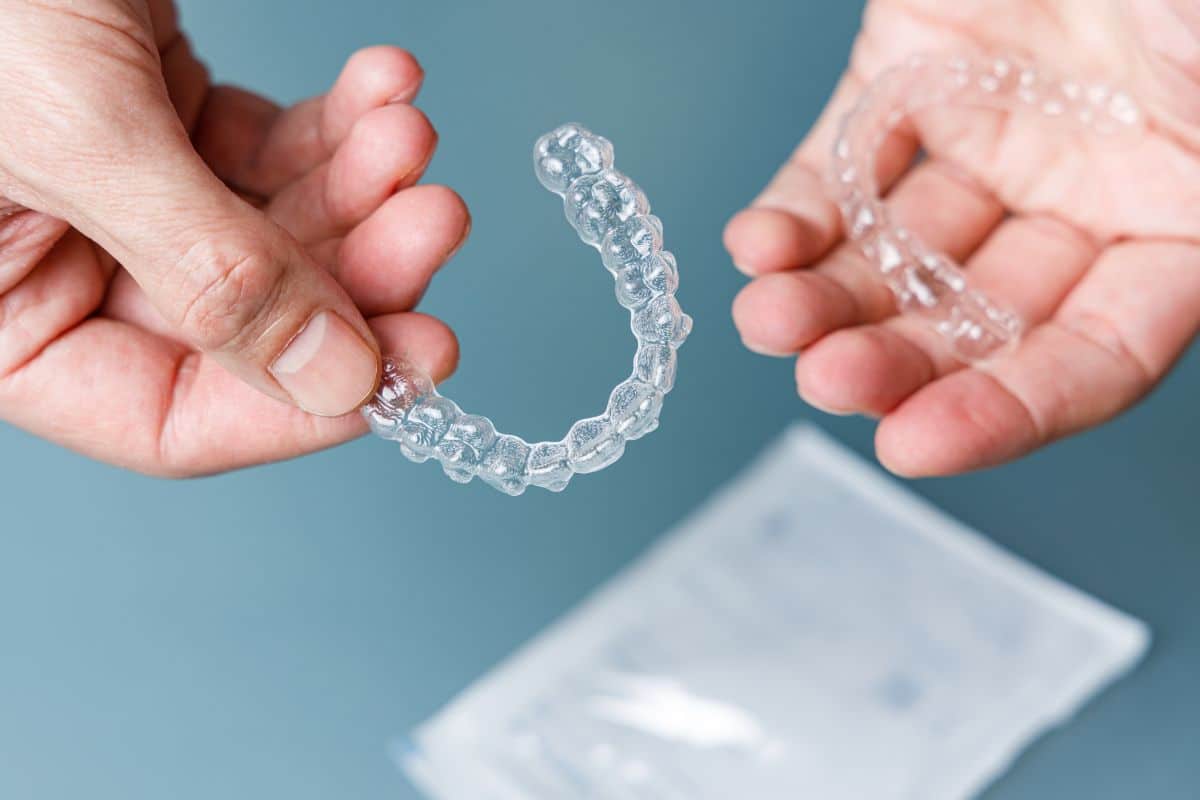
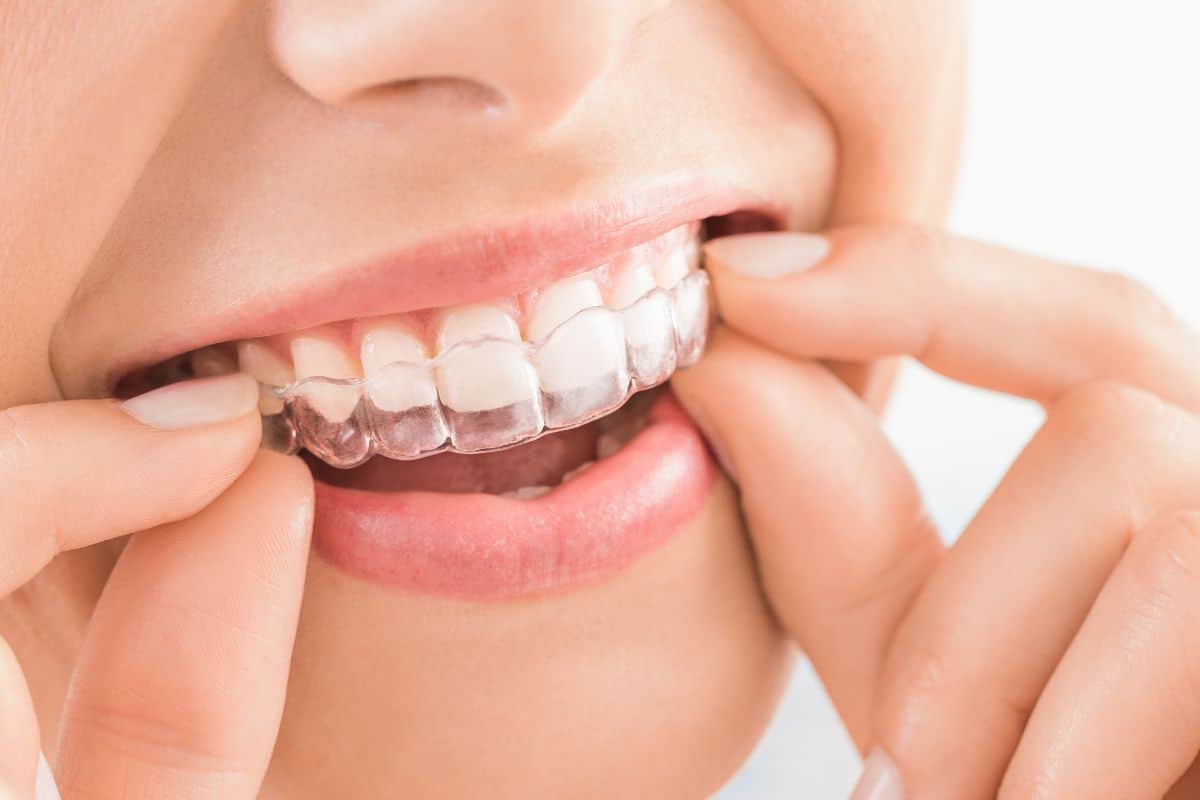
Clear aligners are removable, transparent trays designed to gradually move your teeth into better positions. They are custom-made using digital scans or impressions of your teeth. Each set applies gentle, controlled pressure to specific teeth, helping guide them toward their planned positions over time.
Unlike traditional braces, clear aligners don’t use metal brackets or wires. You simply remove the trays when eating, drinking anything other than water, brushing, and flossing.
Most patients wear their Invisalign aligners for approximately 20 to 22 hours a day, switching to a new set according to their treatment plan. Consistent wear is important because removing them too frequently can delay progress.
Why do people choose clear aligners?
- Nearly invisible appearance: Transparent trays are less noticeable than metal braces.
- Removable design: You can take them out during meals and special occasions.
- Easier oral hygiene: Brushing and flossing are generally more convenient without brackets and wires.
- No food restrictions: You can continue enjoying your favorite foods after removing your trays.
- Smooth construction: Without metal components, aligners may cause less irritation to the cheeks and lips.
Clear aligners are often a popular option for adults and teens who want a more discreet way to straighten their teeth. However, they require discipline. If you frequently forget to wear them, treatment may take longer than expected.
What Are Traditional Braces?
Traditional braces use a system of metal brackets attached to the teeth and connected by orthodontic wires. These components work together to apply continuous pressure, gradually moving teeth into their desired positions.
During regular orthodontic appointments, the dentist or orthodontist adjusts the wires to keep treatment progressing. Depending on your dental needs, braces may also include elastic bands or other attachments to help correct bite problems.
What makes traditional braces a reliable option?
- Continuous treatment: Since braces remain attached to your teeth, you don’t have to remember to wear them.
- Complex corrections: They can address many orthodontic concerns, including significant crowding, rotations, and bite misalignment.
- No removable trays: You don’t need to take them out before meals or worry about misplacing them.
- Consistent pressure: Braces work throughout the day and night to move teeth according to your treatment plan.
One consideration is that braces require extra attention when cleaning your teeth. Certain foods, such as popcorn, hard candy, and sticky snacks, should also be avoided to prevent damage to brackets and wires.
Clear Aligners vs. Braces: Understanding the Key Differences
Although both treatments aim to improve tooth alignment, the experience can be quite different. Understanding these differences can help you decide which option better matches your expectations.
1. Appearance and Confidence
If you prefer a discreet treatment, clear aligners may be the better fit. Their transparent material makes them difficult to notice during everyday conversations, meetings, and photographs.
Traditional metal braces are more visible because of their brackets and wires. However, some patients enjoy choosing colored elastic bands to personalize their appearance.
Consider this: If you frequently speak in public, attend professional meetings, or simply prefer a less noticeable option, clear aligners may appeal to you.
2. Comfort and Convenience
Clear aligners are made from smooth plastic and generally have fewer components that can irritate the inside of your mouth. You may experience mild pressure or soreness when switching to a new set, which is a normal part of tooth movement.
Braces can cause temporary soreness after adjustments. Brackets and wires may also rub against your cheeks or lips, particularly during the first few weeks.
Both treatments require an adjustment period, but your day-to-day comfort may differ depending on your dental needs.
3. Eating and Oral Hygiene
This is one area where clear aligners offer a noticeable convenience. You can remove your trays before eating, meaning there are no food restrictions specific to the appliance itself.
With braces, you need to avoid hard, crunchy, and sticky foods that could damage the brackets or wires.
Cleaning is also different. Clear aligners allow you to brush and floss normally after removing your trays. Braces require careful brushing around each bracket and flossing between the wires to remove trapped food particles.
4. Treatment Time
How long does orthodontic treatment take? It depends on the complexity of your case, your age, and how consistently you follow the treatment plan.
Some patients complete clear aligner treatment within several months, while others need a year or longer. Traditional braces commonly require around 18 to 24 months, although treatment may be shorter or longer depending on the situation.
Remember, clear aligners only work as planned when you wear them for the recommended number of hours each day. Skipping wear time can affect your progress.
5. Cost and Maintenance
The cost of clear aligners and braces varies based on treatment complexity, length, provider fees, and location. Neither option is automatically less expensive in every situation.
Dental insurance plans may cover a portion of orthodontic treatment, depending on your benefits. It’s worth checking your coverage before making a decision.
You should also consider maintenance. Aligners need regular cleaning and careful storage, while braces require periodic adjustments and occasional repairs if a bracket or wire becomes loose.
Which Orthodontic Treatment Is Right for You?
Now that you understand the differences, how do you decide? Start by thinking about your dental concerns and daily habits.
Clear aligners may be a good option if you:
- Have mild to moderate crowding or spacing.
- Want a discreet orthodontic treatment.
- Prefer removable appliances.
- Can commit to wearing your trays for 20 to 22 hours daily.
- Want to maintain your usual eating and brushing routines.
Traditional braces may be more suitable if you:
- Have more complex tooth alignment concerns.
- Need significant bite correction.
- Prefer a treatment that doesn’t depend on remembering to wear removable trays.
- Have difficulty keeping track of removable appliances.
- Need orthodontic mechanics that are better suited to fixed braces.
These are general guidelines, not a substitute for an individual evaluation. Clear aligner technology has advanced considerably, and some cases once treated primarily with braces may now be manageable with aligners. Your dentist or orthodontist can assess which option is appropriate.
If you’re exploring ways to improve your smile, visit our dental office located at 7150 N 7th St, Phoenix, AZ 85020 to discuss your orthodontic goals and available treatment options with the team at 7 North Dental.
Can Adults and Teenagers Get Clear Aligners or Braces?
Absolutely! Orthodontic treatment isn’t just for children and teenagers. Adults can benefit from teeth straightening at almost any age, provided their teeth and gums are healthy enough for treatment.
Clear aligners are particularly appealing to adults who want to improve their smiles without wearing noticeable metal braces. Teenagers may also be candidates, although their treatment must account for growing jaws, developing teeth, and their ability to follow the recommended wear schedule.
Traditional braces remain a dependable option for both age groups, especially when more involved tooth movements are needed.
The important thing is to choose a treatment based on your oral health and orthodontic needs rather than age alone.
What Happens During an Orthodontic Consultation?
Choosing between clear aligners and braces starts with understanding your current dental condition. During an orthodontic evaluation, your dentist will examine your teeth, gums, and bite to identify any alignment concerns.
Depending on your needs, the evaluation may include:
- Reviewing your dental and orthodontic history.
- Checking for crowding, gaps, and bite problems.
- Taking digital scans, photographs, or dental X-rays when appropriate.
- Discussing your smile goals and lifestyle preferences.
- Explaining suitable treatment options, estimated timelines, and costs.
This consultation helps you understand what each treatment can realistically achieve. It also gives you an opportunity to ask questions before committing to a plan.
Get Started on Your Journey Toward a Straighter Smile
Choosing between clear aligners and traditional braces doesn’t have to feel overwhelming. Both treatments can help improve your smile, support better bite alignment, and make everyday dental care easier when your teeth are properly positioned.
The best approach is the one that addresses your orthodontic needs while fitting comfortably into your lifestyle. Before making a decision, have your teeth evaluated and discuss the advantages, limitations, and expected results of each option.
At 7 North Dental, Dr. Chadwick Brady and the dental team can help you explore your smile improvement options and understand the next steps. Reach out to learn more about available orthodontic treatments and take the first step toward a healthier, more confident smile.
Frequently Asked Questions
Q. Are clear aligners as effective as traditional braces?
Clear aligners can be highly effective for many orthodontic concerns, including mild to moderate crowding and spacing. Traditional braces may be more appropriate for certain complex movements and bite corrections. Effectiveness depends on your individual case and treatment plan.
Q. Do clear aligners hurt less than braces?
Both options can cause temporary discomfort as your teeth move. Clear aligners may cause pressure when you switch trays, while braces can cause soreness after adjustments and irritation from brackets or wires. Discomfort usually improves as your mouth adjusts.
Q. Can I switch from braces to clear aligners?
In some cases, yes. A dentist or orthodontist may recommend transitioning from braces to aligners if your treatment goals and current tooth positions make the change appropriate. However, switching isn’t suitable for everyone.
Q. Do I need a retainer after clear aligners or braces?
Yes. Retainers are generally necessary after orthodontic treatment, regardless of which option you choose. Teeth can gradually shift toward their original positions, and retainers help maintain your results.
Q. Which treatment is faster: clear aligners or braces?
Neither treatment is always faster. Clear aligners may produce results sooner in some straightforward cases, while braces may be more efficient for certain complex corrections. Your estimated treatment time depends on the movements your teeth need.