Visit 7 North Dental Today Or Call: 602-230-0811

Can Dental Sealants Be Removed? What Phoenix Patients Should Know
Can sealants be removed? Yes—dental sealants can be removed safely, but only by a qualified dentist.
If you’re wondering about the process, reasons for removal, and what to expect afterward, this guide covers it all. We’ll explain what a dental sealant is, why removal may be necessary, how dentists perform it, and what steps follow afterward.
At 7 North Dental, our team provides safe and effective care, ensuring your smile stays healthy and protected.
What Are Dental Sealants?
A dental sealant is a thin, protective coating applied to the chewing surfaces of molars to block out bacteria and food particles. This type of sealant is especially useful for children and busy families in Phoenix, where dry climates and active lifestyles can make consistent hydration and oral care more challenging. In short, sealants act like a shield, reducing the risk of cavities in vulnerable teeth.
Why Might Removal Be Necessary?
Though designed to last for years, a sealant dental application may need to be removed or replaced. Common reasons include:
- Natural wear or damage
- Preparing for upcoming dental procedures (like fillings or crowns)
- Patient preference for a fresh tooth sealant application
It’s important to let your dentist guide this decision. Professional judgment ensures your teeth remain strong and protected.
How Are Sealants Removed?
The process of removing a sealant for teeth is straightforward and usually painless:
- Evaluation – Your Phoenix dentist checks the condition of the sealant.
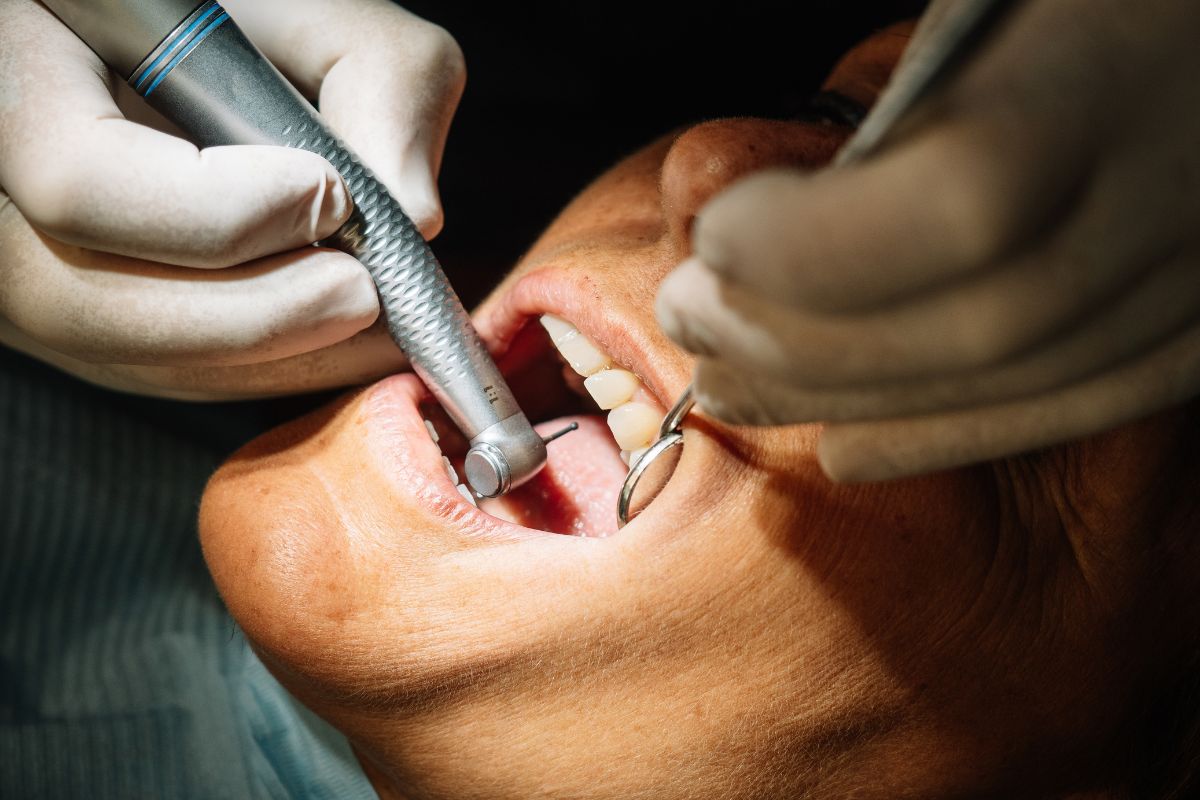
- Gentle scraping or polishing – Specialized tools carefully remove the old material.
- Cleaning & inspection – The tooth is cleaned and checked for cavities.
The entire procedure generally takes 30–60 minutes per tooth, depending on the extent of removal.
Risks and Safety Associated with Dental Sealant Removal
When performed by a professional, removing a sealant dental application is safe. Possible but rare issues include:
- Minor enamel abrasion
- Temporary tooth sensitivity
- Rare allergic reactions to adhesives
Your Phoenix dentist will take every precaution to minimize risks and keep your smile healthy.
Post-Removal Care & Next Steps
After a dental sealing removal, proper oral care is key:
- Maintain good brushing and flossing habits
- Use dentist-recommended fluoride treatments
- Visit your Phoenix dentist regularly for monitoring
In some cases, a new sealant for tooth protection may be reapplied to maintain cavity defense.
Alternatives to the Removal of Dental Sealant
Sometimes, a damaged dental sealant can be repaired instead of complete removal. Your dentist may recommend:
- Repairing only the damaged section
- Full replacement with a new tooth sealant if wear is significant
This ensures teeth remain well-protected for years to come.
Conclusion
Yes, dental sealants can be removed safely and effectively when performed by a trained dentist. Whether removal is necessary due to wear, damage, or upcoming dental procedures, the process is straightforward, low-risk, and often followed by reapplication to keep teeth protected.
At 7 North Dental in Phoenix, AZ, our experienced team guides you through every step—from evaluating your current sealants to recommending the best next steps for your oral health.
Ready to learn if sealant removal or replacement is right for you?
Schedule your appointment with 7 North Dental today and keep your smile protected for years to come.
FAQs
Q. Can sealants be removed?
A: Yes, but always by a dentist to avoid damaging tooth enamel.
Q. How long do sealants last?
A: On average, sealant for teeth applications last 5–10 years, though wear depends on oral habits.
Q. Do Dental Sealants Need to be Removed?
A: Sealants may be removed if a tooth needs dental work—like a filling, crown, or braces—or due to personal preference or changing dental needs.
Q. Should adults get them?
A: Yes—while most common in children, a sealant for tooth protection can also benefit adults prone to cavities.
Q. What Are the Cons of Dental Sealants?
A: Yes. Sealants can wear down, trap decay if applied over cavities, and rarely cause allergies. Modern options are low in BPA and safe for kids.
Q. Can Cavities Grow Under Sealants?
A: If a sealant isn’t placed properly, small gaps may allow cavities to form underneath. Thankfully, this is rare since dentists in Phoenix are highly trained in proper placement.