Visit 7 North Dental Today Or Call: 602-230-0811

How Do You Know If You Need a Root Canal or Just a Filling?
A toothache can leave you wondering what kind of dental treatment you actually need. Is it a simple cavity that can be repaired with a filling, or has the damage reached the inside of the tooth and requires a root canal?
Although both fillings and root canal treatment can address tooth damage, they are used for different problems. A filling generally repairs decay or damage that has not significantly affected the pulp inside the tooth. A root canal is used when the pulp becomes inflamed or infected, often because of deep decay, a crack, trauma, or repeated dental procedures.
The symptoms can sometimes overlap, so it is not always possible to tell which treatment you need simply by how your tooth feels. A dental examination can help determine the cause of your symptoms and the appropriate treatment.
If you are experiencing persistent tooth pain or sensitivity, understanding the difference between a filling and a root canal can help you know when it is time to schedule an appointment.
What Is the Difference Between a Filling and a Root Canal?
The main difference comes down to how deeply the tooth has been affected.
A dental filling is typically used to repair a cavity or minor-to-moderate tooth damage. During treatment, the dentist removes the decayed portion of the tooth and fills the space with a restorative material. The goal is to restore the tooth’s structure and prevent the decay from progressing.
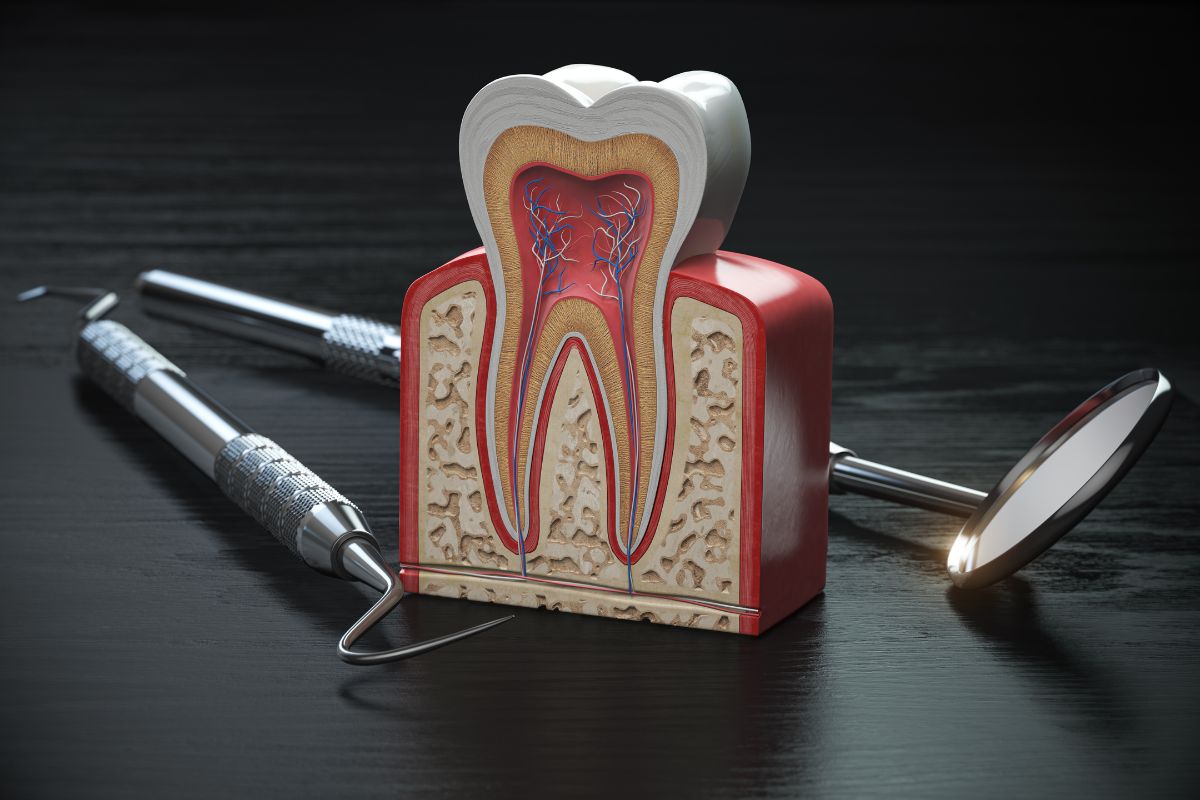
A root canal treats problems that have reached the tooth’s pulp. The pulp is the soft tissue inside the tooth containing nerves and blood vessels. When this tissue becomes inflamed or infected, simply placing a filling over the tooth may not resolve the problem.
During root canal treatment, the affected pulp is removed, and the inside of the tooth is cleaned, disinfected, filled, and sealed. The tooth can then be restored so it can continue functioning.
According to the American Association of Endodontists, deep decay, cracks, trauma, repeated dental procedures, and other damage can lead to pulp inflammation or infection requiring root canal treatment.
Signs You May Only Need a Filling
Not every toothache means you need a root canal. In some cases, tooth sensitivity or discomfort can be associated with a cavity that can be treated with a filling.
You may be more likely to need a filling when:
- Your tooth has a cavity that has not reached the pulp.
- You experience brief sensitivity to hot, cold, or sweet foods.
- The discomfort disappears shortly after the stimulus is removed.
- You do not have significant swelling around the tooth.
- You have no persistent or spontaneous tooth pain.
- Your dentist identifies decay without evidence of significant pulp damage.
For example, if you drink something cold and notice a quick, sharp sensation that disappears almost immediately, it does not necessarily mean you need a root canal. The American Association of Endodontists notes that momentary sensitivity may be associated with minor decay, a loose filling, or exposed root surfaces.
However, sensitivity should not simply be ignored. A small cavity can become deeper over time, potentially causing more extensive damage.
Signs You May Need a Root Canal
Root canal treatment becomes more likely when the pulp inside the tooth is inflamed or infected.
Some symptoms that may indicate a need for root canal treatment include:
Lingering sensitivity to hot or cold
One of the more important warning signs is pain or sensitivity that continues after the hot or cold food or drink is gone.
A brief reaction can have several causes, but lingering sensitivity may indicate that the pulp has been significantly affected. The AAE identifies lingering pain after hot or cold exposure as a possible sign of pulp damage that requires professional evaluation.
Severe or persistent tooth pain
Pain that continues throughout the day, occurs without an obvious trigger, or becomes severe should be evaluated by a dentist.
Tooth pain can have several causes, including decay, cracks, infection, or pulp damage. An examination is needed to determine what is causing the problem.
Pain when biting or chewing
Pain when you bite down can occur with decay, a loose filling, a cracked tooth, or damage to the pulp.
If biting on one particular tooth consistently causes sharp or intense pain, schedule an evaluation rather than assuming it will resolve on its own.
Swollen or tender gums
Swelling around a painful tooth can be a sign that infection has extended beyond the inside of the tooth.
A dental abscess can cause pain, swelling, tenderness, and discomfort when chewing. An untreated infection can become more serious, making prompt dental care important.
A pimple or bump on the gums
A small pimple-like bump near a tooth may be associated with an infection. Even if the tooth does not hurt significantly, this type of symptom should be evaluated by a dental professional.
A cracked, chipped, or injured tooth
Trauma can damage the pulp even when there is no obvious crack or chip. A tooth that has been hit, fractured, or otherwise injured may require treatment beyond a filling depending on the extent of the damage.
Why Can’t You Tell From Pain Alone?
It is tempting to diagnose a tooth problem based on symptoms, but tooth pain does not always follow a predictable pattern.
For example, a serious infection may sometimes produce little pain, while a relatively small dental problem can be uncomfortable. Pain can also come from a cracked tooth, gum problems, a loose restoration, sinus-related issues, or other conditions.
That is why a dentist may need to evaluate the tooth, review your symptoms, perform diagnostic tests, and take dental X-rays when appropriate.
The goal is to determine whether the tooth can be treated conservatively with a filling or whether the pulp has been affected enough to require root canal treatment.
How Does a Dentist Determine If You Need a Filling or Root Canal?
Your dentist will consider several factors before recommending treatment.
1. Your symptoms
Your dentist may ask when the pain started, what triggers it, how long it lasts, and whether it occurs while biting or chewing.
2. A clinical examination
The tooth and surrounding gums will be examined for decay, cracks, swelling, tenderness, or other visible signs of a problem.
3. Diagnostic testing
Your dentist may use temperature testing, tapping or biting tests, and other diagnostic methods to evaluate how the tooth responds.
4. Dental X-rays
X-rays can help identify the depth of decay and changes around the roots that may not be visible during a routine examination.
Together, these findings help your dentist determine the most appropriate treatment rather than relying on one symptom alone.
Can a Filling Prevent the Need for a Root Canal?
Early treatment of tooth decay can help prevent the problem from progressing deeper into the tooth.
When decay is identified before it reaches the pulp, removing the damaged portion and restoring the tooth with a filling may be sufficient. However, once the pulp becomes significantly inflamed or infected, a filling alone may no longer solve the underlying problem.
This is one reason regular dental examinations are important. A cavity may not cause noticeable pain in its early stages.
What Happens During Root Canal Therapy?
If your tooth requires root canal treatment, the procedure focuses on removing the diseased pulp and preserving the natural tooth.
The general process includes:
- Numbing the tooth and surrounding area to keep you comfortable.
- Creating an opening in the tooth to access the affected pulp.
- Removing the inflamed or infected pulp.
- Cleaning and disinfecting the root canals.
- Filling and sealing the cleaned canals.
- Restoring the tooth with an appropriate filling or crown when needed.
Modern root canal treatment is designed to relieve pain caused by pulp inflammation or infection while preserving the natural tooth.
Depending on the condition of the tooth and the restoration required afterward, treatment may involve one or more appointments.
When Should You See a Dentist?
Schedule a dental appointment if you experience:
- Tooth pain that does not go away
- Lingering hot or cold sensitivity
- Pain when biting or chewing
- Swelling around the tooth or gums
- A pimple or bump on the gums
- A cracked or damaged tooth
- Severe or spontaneous tooth pain
- Symptoms that interfere with eating or sleeping
If you develop significant facial or neck swelling, difficulty breathing or swallowing, uncontrolled bleeding, or serious facial trauma, seek immediate medical attention.
Root Canal Therapy in Phoenix
If you are experiencing tooth pain and are unsure whether you need a filling or root canal, the best way to find out is through a professional dental evaluation.
At 7 North Dental, we provide dental care for patients in Phoenix and surrounding communities. Our team can evaluate your symptoms, identify the source of your tooth problem, and discuss appropriate treatment options based on the condition of your tooth.
If you are looking for root canal therapy Phoenix, don’t wait until tooth pain becomes more severe. Schedule an appointment with 7 North Dental to have your tooth evaluated and get the appropriate care for your needs.
Frequently Asked Questions
1. Is a filling or root canal better for a cavity?
It depends on how far the decay has progressed. A filling may be sufficient when decay has not significantly affected the pulp. If the pulp becomes inflamed or infected, root canal treatment may be necessary.
2. Does needing a root canal always mean the tooth hurts?
No. A tooth requiring treatment does not always cause severe pain. Infection or pulp damage can sometimes occur with limited symptoms, which is why a dental examination is important when you notice changes in a tooth.
3. How long can I wait if my tooth hurts?
It is best not to delay evaluation when tooth pain persists. Ongoing pain, swelling, lingering sensitivity, or pain when biting can indicate a problem that needs treatment.
4. Is a root canal painful?
Modern root canal treatment is performed using local anesthesia. The American Association of Endodontists notes that modern root canal treatment is generally comparable to other routine dental procedures in terms of comfort during treatment. Some soreness or sensitivity can occur afterward as the area heals.
5. Can a dentist tell if I need a root canal from an X-ray?
An X-ray can provide important information, but it is generally considered along with your symptoms, clinical examination, and other diagnostic tests. No single finding should be used in isolation to determine the appropriate treatment.
6. What is the difference between a root canal and a filling?
A filling repairs the damaged portion of a tooth, commonly after decay has been removed. Root canal treatment addresses problems involving the pulp inside the tooth. The tooth is then filled and sealed internally and may require a crown or another restoration for protection.
7. Can a cracked tooth need a root canal?
Yes. Depending on the location and severity of the crack, the pulp can become damaged or infected. A cracked tooth should be evaluated promptly to determine whether it can be restored and what treatment is appropriate.
The Bottom Line
A toothache does not automatically mean you need a root canal. A filling may be enough when decay is limited and the pulp remains healthy. However, lingering sensitivity, persistent or severe pain, pain when biting, swelling, or signs of infection can indicate that the problem has progressed deeper into the tooth.
Because symptoms can overlap, the safest way to determine whether you need a filling or root canal is to have the tooth professionally evaluated.
If you are experiencing tooth pain and need root canal therapy in Phoenix, visit our dental practice in Phoenix for an evaluation. Early treatment can help address the problem before it becomes more extensive and may help preserve your natural tooth.