Visit 7 North Dental Today Or Call: 602-230-0811

Tooth Abscess Warning Signs That Require Urgent Dental Care

A tooth infection may begin with something that seems manageable: sensitivity when drinking something cold, discomfort when chewing, or an occasional toothache. But once bacteria reach the inner tissues of a tooth or spread into the surrounding gums and bone, the problem can become much more serious.
Yes, a tooth infection can become a dental emergency. Severe pain, facial swelling, fever, difficulty swallowing, or rapidly worsening symptoms can indicate that an infection requires immediate attention. An untreated dental infection will not reliably resolve on its own. Even when the pain temporarily improves, the underlying infection may still be present.
At 7 North Dental, Dr. Chadwick Brady, Dr. Chase Wedemeier, and Dr. Mark Lamborn help Phoenix patients address urgent dental problems and determine the appropriate treatment based on the source and severity of their symptoms.
What Is a Tooth Infection?
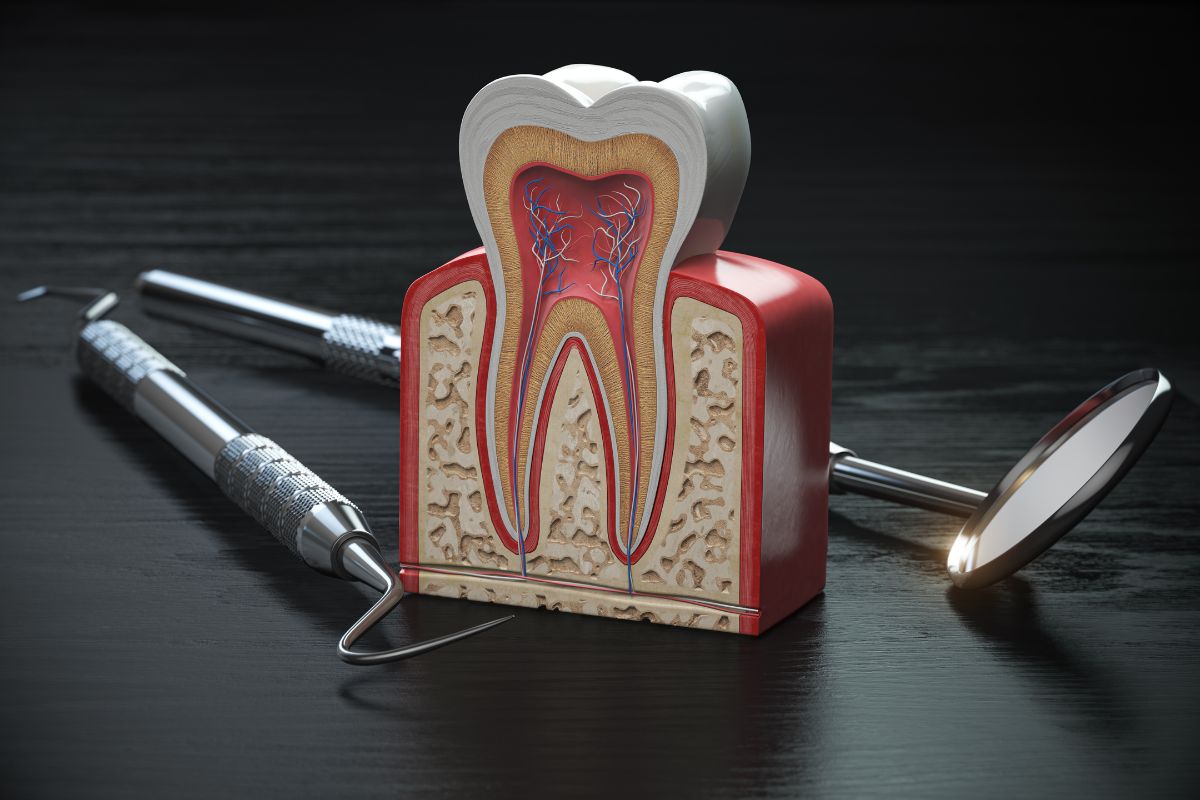
A tooth infection occurs when harmful bacteria enter areas of the tooth or surrounding tissues where they can multiply and cause inflammation. One common example is a dental abscess, which is a pocket of pus associated with a bacterial infection.
Infection can develop in or around a tooth for several reasons, including:
- Deep tooth decay
- A cracked or fractured tooth
- An untreated cavity
- Advanced gum disease
- Trauma to a tooth
- Leakage around an older restoration
- Infection inside the tooth’s pulp
- Previous dental problems that were never fully treated
Once bacteria reach the pulp, which contains nerves and blood vessels, the tooth may become intensely painful. Infection can eventually move beyond the tooth’s root and affect nearby tissues.
This is why persistent tooth pain deserves attention even when you can still eat, work, or sleep normally.
When Does a Tooth Infection Become a Dental Emergency?
Not every mild toothache requires emergency treatment, but certain symptoms indicate that waiting may carry unnecessary risk.
A tooth infection becomes particularly concerning when symptoms are severe, rapidly worsening, or suggest that the infection is spreading beyond the affected tooth.
Contact a trusted emergency dentist in Phoenix promptly if you develop significant pain, swelling, drainage, or other signs of infection. Some situations may require same-day dental care.
If swelling begins interfering with your ability to breathe or swallow, or if it is spreading rapidly through your face or neck, seek immediate medical attention. Those symptoms extend beyond a routine dental problem and can require hospital-based emergency care.
7 Warning Signs of a Serious Tooth Infection
Recognizing the warning signs can help you decide when it is time to stop monitoring the tooth at home and seek professional care.
1. Severe or Throbbing Tooth Pain
A persistent throbbing toothache is one of the most recognizable signs of a possible infection.
Pain may remain concentrated around one tooth or radiate toward your jaw, ear, or nearby areas. You might also notice that the pain becomes stronger when you lie down, chew, or place pressure on the affected tooth.
Pain relievers may temporarily reduce discomfort, but they do not eliminate the source of a dental infection.
2. Swelling Around the Tooth or Gums
An infected area may cause the gum beside a tooth to appear swollen, red, or tender. Sometimes, a small pimple-like bump develops on the gum.
That bump can indicate drainage from an infection near the tooth’s root.
Even if drainage temporarily reduces pressure and pain, you should still have the tooth examined. A reduction in symptoms does not necessarily mean that the infection has resolved.
3. Facial or Jaw Swelling
Swelling that extends beyond the gum deserves prompt attention.
You may notice one side of your face becoming puffy or an area along your jaw becoming swollen and tender. Increasing facial swelling can indicate that inflammation or infection has extended into surrounding tissues.
Rapidly spreading swelling is particularly concerning and should never be ignored.
4. Fever or Feeling Generally Unwell
A dental infection can sometimes cause symptoms beyond your mouth.
Fever, chills, fatigue, or feeling unusually unwell alongside tooth pain or facial swelling may indicate a more significant infection. Contact a healthcare professional promptly if these symptoms develop.
Your dental team needs to evaluate the source of the infection rather than treating the toothache as an isolated symptom.
5. A Bad Taste or Drainage in Your Mouth
A sudden unpleasant or salty taste may occur if an abscess drains.
You might also notice pus or fluid coming from the gum near the painful tooth. Pressure and pain can decrease after drainage, which may make it seem as though the problem has improved.
However, the underlying source can remain. Dental treatment may still be necessary to prevent infection from returning or progressing.
6. Pain When Biting or Chewing
An infected tooth may become particularly sensitive to pressure.
If biting down causes sharp or intense pain, inflammation may be affecting the tissues around the tooth’s root. Avoid chewing on that side of your mouth and arrange an examination.
An emergency dentist in Phoenix can determine whether the discomfort comes from infection, a crack, a damaged restoration, or another dental condition.
7. Difficulty Swallowing or Breathing
These are among the most serious warning signs associated with a spreading oral infection.
If swelling around your mouth, jaw, or neck makes breathing or swallowing difficult, seek emergency medical attention immediately.
Do not wait for a routine dental appointment when your airway or ability to swallow is affected.
Can a Tooth Infection Spread Beyond the Tooth?
Yes. A tooth infection is not necessarily confined to the tooth itself.
Without appropriate treatment, bacteria can move into nearby gum tissue, jaw structures, facial spaces, and other surrounding tissues. Rarely, severe dental infections can contribute to serious systemic complications.
That does not mean every toothache will develop into a dangerous infection. It does mean that persistent or worsening symptoms should not be ignored.
Early assessment usually gives more information and potentially more treatment options than waiting until swelling or severe pain develops.
How Does an Emergency Dentist in Phoenix Diagnose an Infected Tooth?
When you arrive with a suspected tooth infection, the first objective is identifying exactly where the problem originates and how far it has progressed.
Your dental practitioner may ask:
- When the pain began
- Whether symptoms are becoming worse
- What triggers the pain
- Whether you have noticed swelling
- Whether the tooth has been injured previously
- Whether you have fever or other symptoms
- Whether the tooth has undergone previous treatment
A clinical examination can identify swelling, decay, damaged restorations, tenderness, or other abnormalities. Dental X-rays may also help evaluate the tooth’s roots and surrounding bone.
A trusted emergency dentist in Phoenix does not simply stop pain; they determine the cause of it and address the underlying dental problem.
How Is a Tooth Infection Treated?
Treatment depends on the tooth’s condition, the location of the infection, and whether the tooth can reasonably be preserved.
Root Canal Therapy
If infection has reached the pulp but the tooth remains restorable, root canal therapy may be considered. The infected or damaged tissue inside the tooth is removed, the internal space is cleaned, and the tooth is restored to protect its remaining structure.
Tooth Extraction
Some teeth are too severely damaged or infected to preserve predictably. In those situations, extraction may be necessary to remove the source of the dental problem.
If extraction leaves a missing tooth, replacement options can be discussed after the infection is controlled and the tissues are appropriately evaluated.
For patients considering implants later, planning for a dental implant procedure is separate from treating the active emergency. The immediate priority is controlling infection and protecting your health.
Medication When Clinically Appropriate
Antibiotics may be prescribed in certain circumstances, particularly when an infection shows signs of spreading or produces systemic symptoms. However, antibiotics do not necessarily correct the dental source of an infection.
Definitive dental treatment may still be required.
What Should You Do While Waiting to See an Emergency Dentist?
Home measures should only be viewed as temporary ways to manage symptoms until you receive professional care.
You can:
- Gently rinse with warm salt water
- Keep the area clean
- Avoid chewing on the affected tooth
- Choose softer foods
- Use an appropriate over-the-counter pain reliever according to its directions
- Contact your dentist as soon as possible
Do not place aspirin directly against your gums or tooth. You should also avoid trying to drain or puncture an abscess yourself.
Most importantly, do not let temporary pain relief convince you that the infection has disappeared.
Can an Infected Tooth Eventually Need Replacement?
Sometimes.
When infection or structural damage becomes extensive, saving the natural tooth may no longer be a predictable option. Extraction can then become necessary.
After the area heals, your dental practitioner can discuss appropriate ways to restore the missing tooth. For some patients, a dental implant procedure may be considered depending on bone health, oral health, medical factors, and the condition of the surrounding tissues.
However, replacing a tooth is a later decision. A dental implant procedure should not distract from the immediate need to diagnose and manage an active infection.
If implant treatment becomes appropriate after healing, an emergency dentist in Phoenix can explain the dental implant procedure, expected timeline, and whether additional preparation is required.
Why Prompt Treatment Matters for Phoenix Patients
Dental infections do not follow convenient schedules. Pain can intensify overnight, swelling can develop unexpectedly, and a tooth that was only mildly uncomfortable earlier in the week can become difficult to ignore.
Phoenix patients should contact a dental office when symptoms persist rather than repeatedly trying to control the problem at home.
At 7 North Dental, we evaluate emergency concerns such as severe toothaches, broken or cracked teeth, dental injuries, and other urgent problems. Having access to emergency and restorative dental services in one practice can also make follow-up care more straightforward when a tooth requires additional treatment.
Prompt evaluation gives us an opportunity to identify the cause, discuss what can be done to preserve the tooth when possible, and help prevent a manageable dental problem from progressing.
Frequently Asked Questions
1. How do I know if my tooth infection is an emergency?
Severe throbbing pain, facial swelling, fever, drainage, or rapidly worsening symptoms warrant prompt dental attention. Difficulty breathing or swallowing requires immediate medical care because swelling or infection may be affecting areas beyond the tooth itself.
2. Can a tooth infection go away without treatment?
Symptoms may temporarily improve, particularly if an abscess drains, but the source of infection can remain. A dentist should examine the tooth to determine whether root canal therapy, extraction, or another treatment is necessary.
3. How quickly can a tooth infection spread?
There is no single timeline. Some infections remain localized for a period, while others can worsen rapidly. Increasing swelling, fever, worsening pain, difficulty swallowing, or feeling unwell are reasons to seek prompt professional evaluation.
4. Should I go to the ER for an infected tooth?
Most isolated tooth infections should be evaluated by a dentist. However, go to an emergency department if you have trouble breathing or swallowing, rapidly spreading facial or neck swelling, severe systemic illness, or another medical emergency.
5. Will antibiotics cure an infected tooth?
Antibiotics may help manage certain spreading bacterial infections, but they do not always eliminate the dental source. A tooth may still require root canal therapy, extraction, drainage, or another treatment determined after a professional dental examination.
6. Can a tooth infection cause facial swelling?
Yes. Infection and inflammation around a tooth can extend into surrounding tissues and cause swelling of the gums, jaw, or face. Facial swelling should be evaluated promptly, especially when it increases quickly or accompanies fever.
7. What happens if I ignore an infected tooth?
An untreated infection may lead to increasing pain, abscess formation, damage around the tooth, or spread into surrounding tissues. Seeking dental care early can help identify the source before the condition becomes more complicated.
Don’t Wait for a Tooth Infection to Become More Serious
A tooth infection deserves more attention than simply controlling the pain. Throbbing discomfort, swelling, drainage, fever, or pain when biting can indicate a problem that requires professional treatment, while breathing or swallowing difficulties require immediate medical attention.
If you are experiencing signs of a dental infection in Phoenix, 7 North Dental can evaluate your symptoms, identify the source of the problem, and explain the appropriate treatment options. Our approach focuses on addressing urgent concerns while considering the long-term health and function of your smile.
Visit our Phoenix dental office or schedule an emergency dental appointment with 7 North Dental today if tooth pain, swelling, or other concerning symptoms are getting worse.