Visit 7 North Dental Today Or Call: 602-230-0811

Is Chewing Ice Bad for Your Teeth? Warning Signs of a Dental Emergency
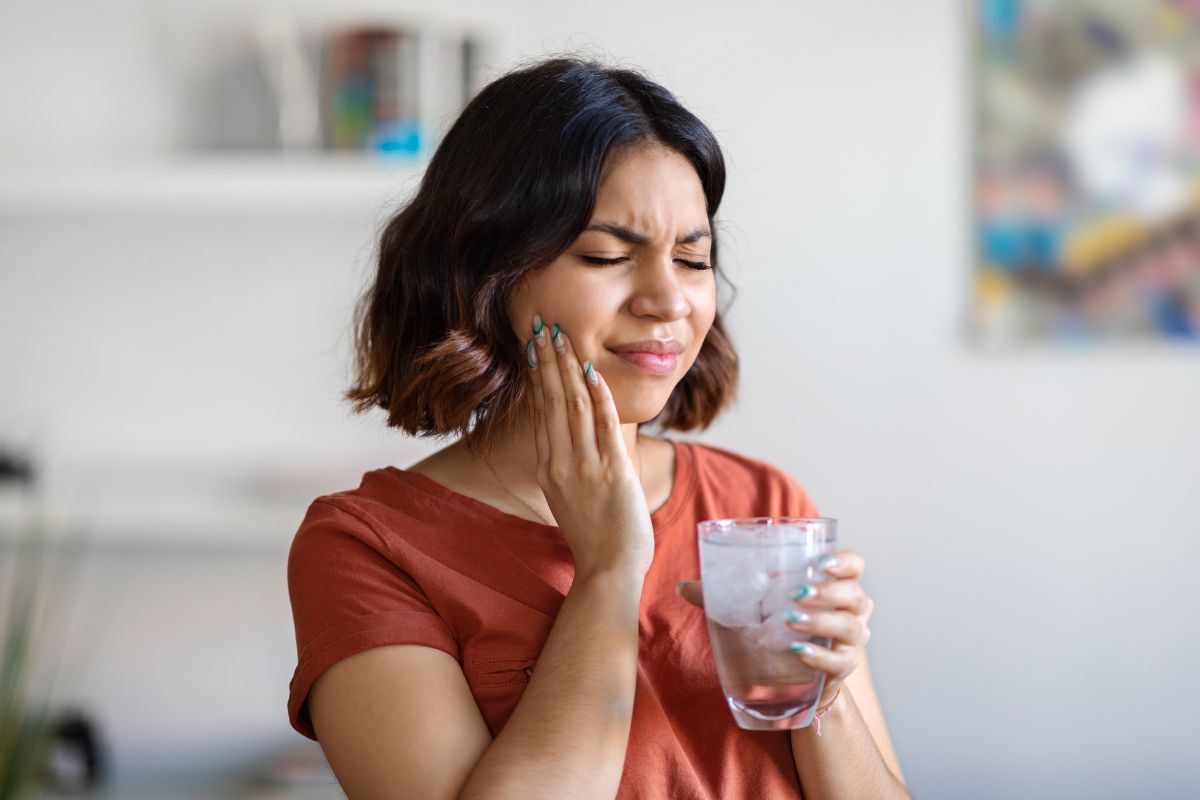
Most people do not think twice about chewing ice after finishing a cold drink. It may seem harmless, refreshing, or even satisfying. However, what feels like a simple habit can place significant stress on your teeth and lead to serious dental problems over time.
Many patients are surprised to learn that chewing ice is a common cause of cracked teeth, damaged restorations, and sudden tooth pain. In some situations, the damage can be severe enough to require immediate treatment.
If you experience sudden pain, a broken tooth, or swelling after biting down on ice, it may be time to contact an emergency dentist in Phoenix before the problem worsens.
Understanding the risks associated with chewing ice can help you protect your smile and recognize when a dental issue requires prompt attention.
Why Do People Chew Ice?
Ice chewing, sometimes called pagophagia, is more common than many people realize. Some people chew ice because they enjoy the texture, while others do it out of habit.
In certain cases, frequent ice chewing may be linked to nutritional deficiencies, particularly iron deficiency anemia. If you find yourself craving ice regularly, discussing it with your healthcare provider may be worthwhile.
Regardless of the reason, the impact on your teeth remains the same.
Is Chewing Ice Actually Bad for Your Teeth?
Yes. Dentists generally advise against chewing ice because of the amount of force involved.
Although tooth enamel is the strongest substance in the human body, it is not indestructible. Ice is hard, cold, and unforgiving. Repeatedly biting down on it can create microscopic fractures in the enamel. Over time, these small cracks may grow larger and lead to significant damage.
Chewing ice can contribute to:
- Chipped teeth
- Cracked teeth
- Fractured dental fillings
- Damaged crowns
- Increased tooth sensitivity
- Gum irritation
- Jaw discomfort
The combination of extreme cold and pressure can be particularly harmful to teeth that already have fillings or crowns, or that are weakened by decay.
What Happens When a Tooth Cracks?
A cracked tooth is not always obvious right away. Some cracks are small and painless at first. Others may cause immediate discomfort.
As the crack deepens, bacteria can enter the inner layers of the tooth and reach the pulp, where nerves and blood vessels are located. This can lead to infection, severe pain, and the need for more extensive treatment.
At our office, 7 North Dental often sees patients who did not realize a minor chip or crack had developed into a larger issue requiring immediate attention.
Common Dental Problems Caused by Chewing Ice
Chipped Teeth
A chip may seem minor, but it can create sharp edges that irritate your tongue and cheeks. Even small chips can weaken the structure of the tooth.
Cracked Teeth
Cracks can extend beneath the gumline and may not always be visible. These fractures can cause pain when biting or chewing.
Broken Dental Restorations
Fillings, crowns, veneers, and bonding materials are durable, but they are not designed to withstand repeated impacts from hard ice.
Tooth Sensitivity
The repeated exposure to extreme cold can irritate nerves within the tooth, causing discomfort when eating or drinking hot and cold foods.
Jaw Stress
Chewing hard substances places extra strain on the jaw joints and muscles, potentially contributing to soreness and discomfort.
When Does Ice-Related Damage Become a Dental Emergency?
Not every chipped tooth requires immediate treatment, but certain symptoms should never be ignored.
If you notice any of the following warning signs, you may be experiencing a dental emergency that requires professional evaluation.
Severe or Persistent Tooth Pain
Pain that does not improve can indicate nerve involvement, infection, or a deep fracture.
Visible Cracks or Broken Teeth
Even if discomfort is minimal, visible damage can worsen quickly without treatment.
Swelling Around the Tooth or Gums
Swelling often indicates infection and should be addressed promptly.
Bleeding That Does Not Stop
Persistent bleeding after dental trauma requires immediate attention.
Sensitivity That Suddenly Becomes Intense
Sharp pain when eating, drinking, or breathing in cold air may signal deeper tooth damage.
Loose Teeth
Adult teeth should never feel loose. Trauma from biting hard ice can damage supporting structures.
Facial Swelling or Fever
These symptoms may indicate a spreading infection and should be treated as a serious situation requiring emergency oral treatment.
What Should You Do If You Damage a Tooth While Chewing Ice?
Taking the right steps immediately after an injury can help protect your tooth and reduce complications.
Rinse Your Mouth
Use warm water to clean the area and remove debris.
Save Any Broken Pieces
If part of the tooth breaks off, keep the fragment and bring it to your appointment.
Apply a Cold Compress
A cold compress on the outside of the face can help reduce swelling.
Avoid Hard Foods
Stick to soft foods until the tooth has been evaluated.
Contact a Dentist Promptly
Seeking emergency dental care quickly can often prevent additional damage and improve treatment outcomes.
Can a Damaged Tooth Heal on Its Own?
Unlike bones, teeth cannot repair cracks or fractures naturally. A small chip may remain stable for some time, but damaged enamel does not regenerate. Waiting too long can allow bacteria to enter the tooth and cause more serious problems.
This is why prompt urgent oral care is important whenever you suspect a tooth has been damaged.
How Dentists Treat Ice-Related Tooth Injuries
Treatment depends on the severity of the damage.
Possible solutions include:
- Dental bonding for small chips
- Crowns for larger fractures
- Root canal treatment if the pulp is affected
- Replacement of damaged fillings or crowns
- Extraction in severe cases where the tooth cannot be restored
The sooner treatment begins, the more options are usually available to preserve the natural tooth.
How to Break the Habit of Chewing Ice
If you regularly chew ice, consider these strategies:
- Drink beverages without ice
- Use crushed ice alternatives less frequently
- Stay hydrated throughout the day
- Chew sugar-free gum instead
- Discuss persistent ice cravings with your physician
Small changes can help reduce the risk of future dental injuries.
Protect Your Smile Before a Minor Crack Becomes a Major Problem
Chewing ice may seem harmless, but it can lead to chipped teeth, fractures, damaged dental work, and painful complications. Recognizing the warning signs early can help prevent the need for more extensive treatment later.
If you notice sudden tooth pain, swelling, sensitivity, or visible tooth damage, do not wait for the symptoms to worsen. Contact 7 North Dental today to schedule an evaluation. Whether you need immediate treatment for a cracked tooth or guidance from our emergency dentist in Phoenix, our team is ready to provide the care you need to protect your smile.
Frequently Asked Questions
1. Can chewing ice really crack a healthy tooth?
Yes. Even healthy teeth can develop chips or cracks when exposed to repeated pressure from chewing hard ice.
2. How do I know if my cracked tooth is an emergency?
Severe pain, swelling, bleeding, sensitivity, or visible fractures are signs that you should seek prompt dental evaluation.
3. What should I do if part of my tooth breaks off?
Rinse your mouth, save the broken piece if possible, avoid chewing on that side, and schedule an appointment as soon as possible.
4. Can a small chip become a bigger problem later?
Yes. Small chips can weaken the tooth and allow bacteria to enter, increasing the risk of decay or infection.
5. Is tooth sensitivity after chewing ice normal?
Occasional sensitivity can occur, but persistent or worsening sensitivity may indicate enamel damage or an underlying dental issue that should be examined.