Visit 7 North Dental Today Or Call: 602-230-0811

The Lifespan Of Cosmetic Dental Treatments – A Phoenix Guide

A smile upgrade is not just about appearance anymore. For many people in Phoenix, it is tied to confidence during work presentations, wedding photos, LSU game weekends, community gatherings, and even simple everyday conversations. Yet one question comes up repeatedly before starting treatment. How long will the results of cosmetic dental work last?
The answer depends on more than the procedure itself. Lifestyle habits, food choices, humidity, oral care routines, and even stress levels all influence longevity. Some maintain stunning results for over a decade, while others notice staining or wear much sooner because of small daily habits they never considered.
Modern dentistry now offers solutions for both aesthetics and durability. When treatment is carefully planned by a cosmetic dentist in Phoenix, results can remain natural-looking and stable for years without appearing artificial or overdone.
What Determines How Long Cosmetic Dental Work Lasts?
No smile improvement procedure comes with a fixed expiration date. Longevity depends on how daily habits, oral health, and restoration materials work together over time.
Several factors influence how long results last:
- Oral hygiene habits: Consistent brushing and flossing help protect both natural teeth and restorations from plaque buildup and gum problems.
- Bite pressure and alignment: Uneven pressure from chewing, clenching, or grinding can slowly weaken veneers, bonding, and crowns.
- Material quality: Stronger materials, such as porcelain, generally last longer and resist stains better than softer materials.
- Diet and beverage choices: Coffee, wine, soda, and acidic drinks may gradually affect brightness and enamel health.
- Smoking and tobacco use: Tobacco exposure increases staining and may affect gum health around restorations.
- Saliva production: Saliva helps neutralize acids and naturally wash away bacteria. Dry climate exposure and dehydration may reduce this protection over time.
- Professional placement technique: Precise treatment planning and proper placement improve long term stability and appearance.
Do Cosmetic Dental Treatments Age Alongside Natural Teeth?
Yes, and this surprises many patients during consultations.
Even high-quality aesthetic work continues to age with the rest of the smile. Gum tissue slowly changes over time. Natural enamel wears gradually. Nearby teeth may darken with age, while restorations maintain their original shade longer. This does not mean treatment failed. It simply means the smile continues to evolve naturally with the facial structure and oral tissues. In fact, a well planned treatment by a cosmetic dentist in Phoenix focuses on harmony rather than creating an artificial ‘perfect’ appearance that may look disconnected years later.
How Long Do Popular Smile Procedures Usually Last?
Different smile improvement procedures come with different lifespans. Some focus on surface enhancement, while others improve shape, alignment, or overall symmetry. Understanding realistic timelines helps patients make more confident decisions.
1. Invisalign
Clear aligners can create long-lasting improvements in alignment, but retention matters afterward. Results may last for decades when retainers are worn consistently, and teeth remain properly maintained.
2. Cosmetic Bonding
Bonding generally lasts between three and seven years. The material can gradually wear, especially in patients who grind teeth or frequently bite hard foods and objects.
3. Veneers
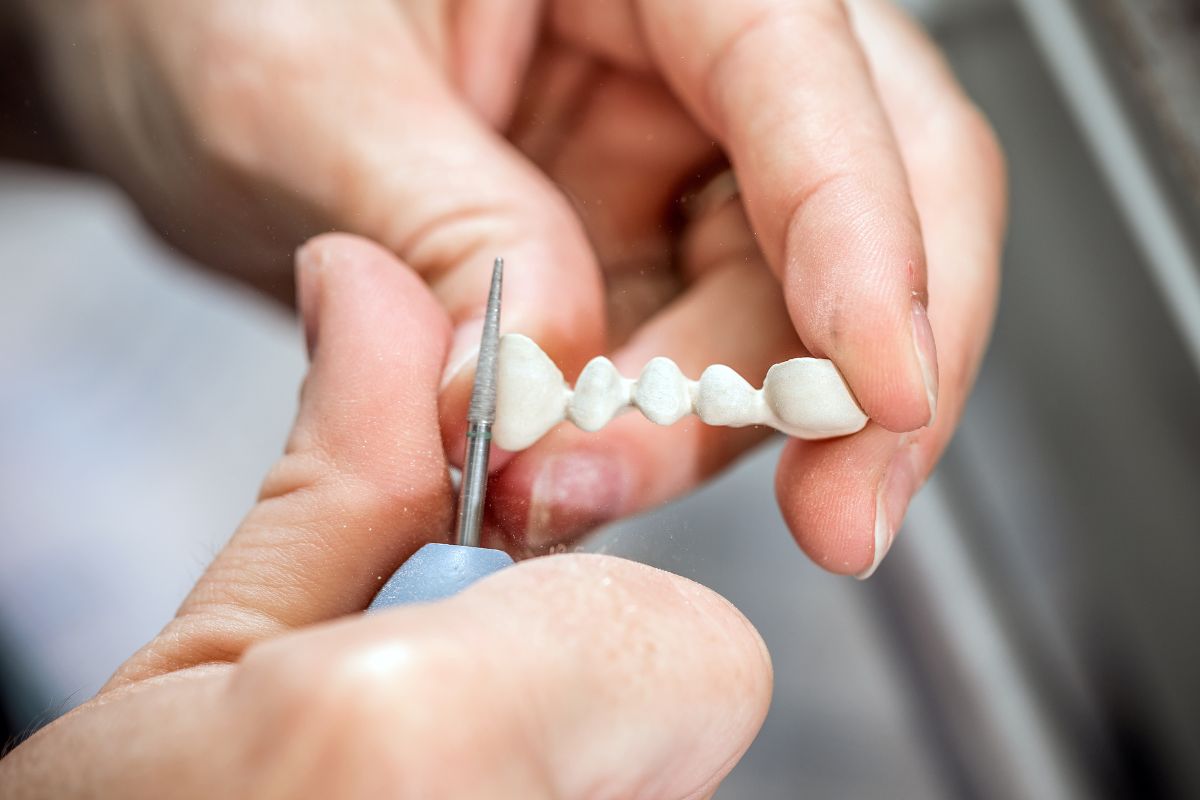
Porcelain veneers commonly last ten to fifteen years with proper care. The porcelain itself is highly durable, though natural aging and bite pressure eventually affect its longevity.
4. Teeth Whitening
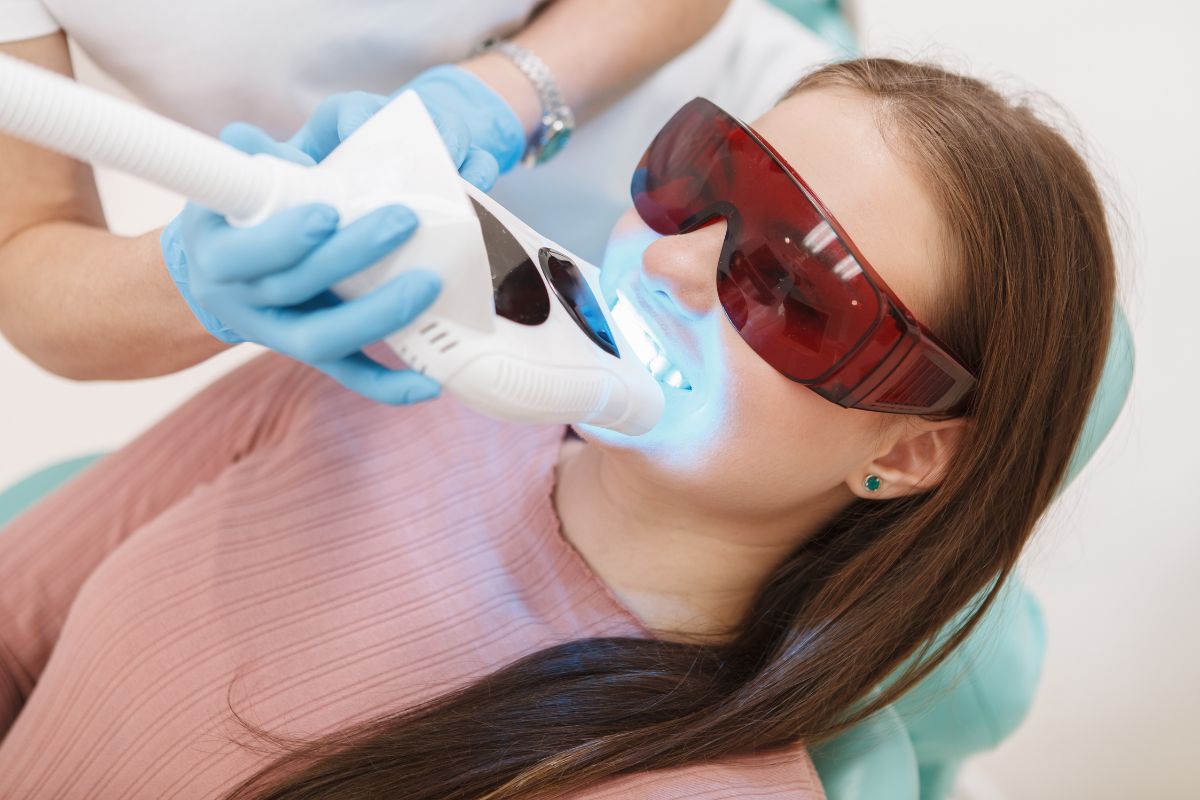
Professional whitening usually lasts between six months and two years. Daily habits like coffee, tea, red wine, and smoking heavily influence how long brightness remains noticeable.
Why Do Some Smile Improvement Procedures Outlast Others?
The answer comes down to structure and material strength.
Whitening works only on the enamel surface. Since enamel is exposed daily to food, beverages, and wear, staining naturally returns over time.
Veneers and crowns function differently. They cover or replace damaged portions of teeth, making them more durable. Porcelain materials resist discoloration much better than natural enamel.
However, even long lasting restorations still depend on healthy gums and surrounding teeth to remain stable over the years.
What Everyday Habits Quietly Shorten Aesthetic Smile Results?
Your daily habits are the prime cause. Most enhancements wear down gradually from repeated stress, staining, and exposure to enamel. Several common habits may shorten longevity:
- Coffee, tea, wine, and soda can gradually stain surfaces.
- Grinding and clenching place constant pressure on restorations.
- Chewing ice or hard objects may create tiny fractures.
- Skipping cleanings allows plaque to build up around restorations.
- Using teeth as tools increases unnecessary stress and wear.
Many adults grind their teeth during sleep without realizing it. Over time, that repeated pressure can significantly reduce the lifespan of veneers, bonding, and crowns.
Can Proper Maintenance Extend The Lifespan Of Smile Beautifications?
Absolutely. Maintenance often determines whether cosmetic work lasts five years or fifteen. Simple habits make a significant difference:
- Brush twice daily using fluoride toothpaste
- Floss consistently
- Wear a night guard if recommended
- Stay hydrated throughout the day
- Schedule routine professional cleanings
- Address bite discomfort early
- Avoid chewing hard objects
Studies suggest that patients following consistent maintenance routines can extend their treatment’s durability. Moreover, small preventive habits today often reduce the need for larger restorative work later.
When Should Cosmetic Dental Work Be Repaired Or Replaced?
Most cosmetic restorations show subtle warning signs before larger failure occurs. Common indicators include:
- Edge chipping
- Surface roughness
- Color changes
- Gum recession
- Bite discomfort
- Small fractures
- Sensitivity around restorations
Early evaluation matters because minor corrections are often far more conservative than full replacement. In many situations, polishing, rebonding, or a few refinements may restore appearance and function without replacing the entire restoration.
Long Lasting Cosmetic Dentistry Starts With Smart Planning
A confident smile should never feel temporary or uncertain. The best results come from careful planning, advanced techniques, and a team that understands how to create improvements that still look beautiful years later. At 7 North Dental in Phoenix, every smile enhancement is planned with long-term comfort, durability, and natural appearance in mind, so patients can feel confident far beyond the treatment chair.
Life in Phoenix moves fast. From outdoor weekends and social events to professional meetings and everyday conversations, your smile becomes part of how people remember you. That is why our goal is not simply to change teeth but to help patients feel more confident every single day. Whether improving alignment with Invisalign, refining shape through bonding, brightening teeth with whitening, or enhancing symmetry with veneers, every treatment plan is built for durability rather than quick fixes.
So, if existing dental work no longer feels comfortable, looks natural, or reflects the smile you want today, now is the right time to explore your options. Working with our trusted cosmetic dentist in Phoenix can help restore confidence and achieve results that look beautiful for years. Schedule your consultation today and take the next step toward a smile that feels truly complete.
Frequently Asked Questions (FAQs)
Q.1. How often do cosmetic dental treatments need maintenance?
Most treatments require occasional maintenance as teeth and gums naturally change over time. Regular cleanings and early adjustments often help restorations remain stable and attractive much longer.
Q.2. Which cosmetic dental treatment usually lasts the longest?
Porcelain based restorations like crowns and veneers generally last longer than surface treatments like whitening or bonding. Longevity depends heavily on bite pressure, oral hygiene, and daily habits.
Q.3. Can whitening results fade unevenly?
Teeth whitening may fade unevenly when certain teeth absorb stains faster than others. Enamel thickness, old restorations, and beverage habits often influence how evenly brightness lasts across the smile.
Q.4. What causes cosmetic dental work to wear out faster?
Grinding, dry mouth, acidic beverages, and poor oral hygiene commonly shorten the lifespan of restorations. Small daily habits often create gradual wear that becomes more noticeable over several years.
Q.5. Can old cosmetic dental work be refreshed without full replacement?
Minor discoloration, rough edges, or small chips can sometimes be corrected conservatively. Polishing, rebonding, or surface refinements may improve appearance without replacing the entire restoration.