Visit 7 North Dental Today Or Call: 602-230-0811

Can Your Body “Reject” a Dental Implant? Separating Clinical Reality from Rare Complications
The idea of getting a dental implant often comes with one major concern. Many patients worry that their body might “reject” the implant, similar to how organ transplants can be rejected.
It is a valid concern. Patients want to know if the procedure is safe, predictable, and worth the investment.
Questions often include:
– Can the body reject a dental implant?
– What are the chances of failure?
– What happens if something goes wrong?
Patients searching for a dentist near me in Phoenix are not just looking for treatment. They are looking for reassurance.
Understanding the difference between rejection and actual implant complications can help you make a confident and informed decision.
Can the Body Reject a Dental Implant?
The short answer is no.
A dental implant is not rejected by the immune system in the same way that an organ transplant might be.
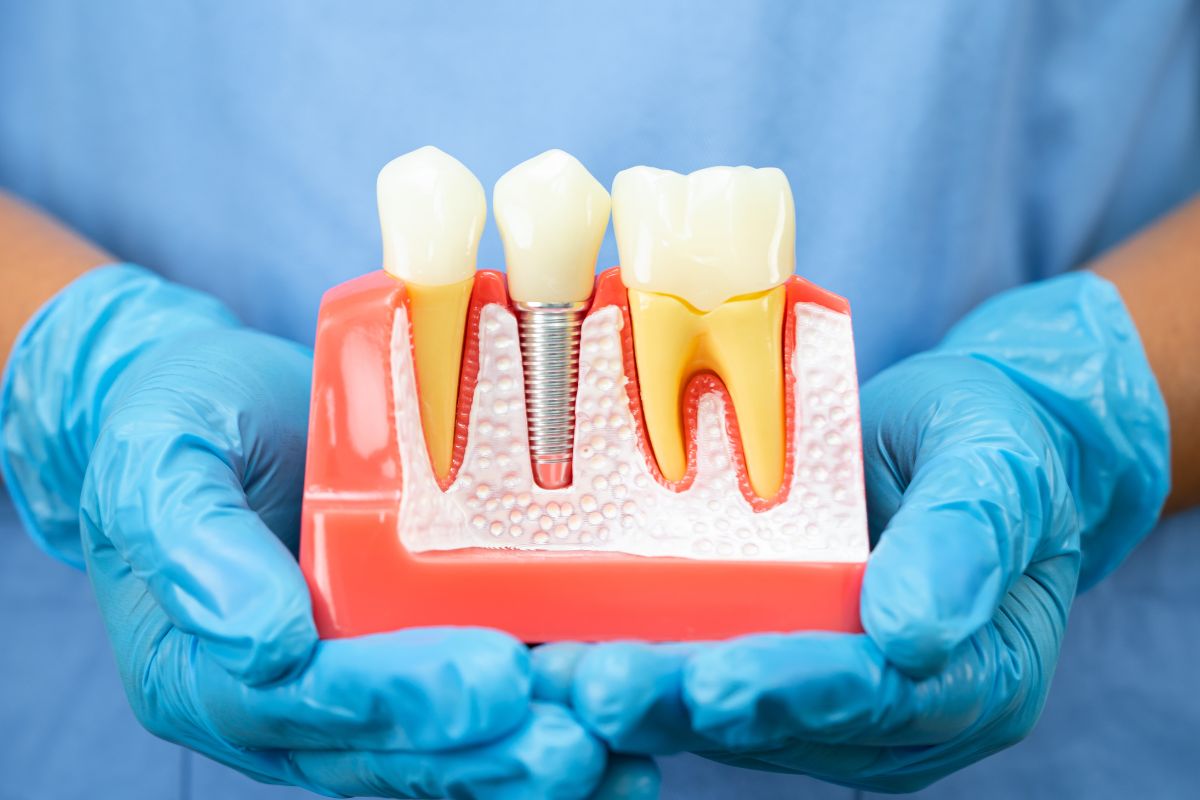
Dental implants are typically made from titanium, a material that is highly biocompatible. This means the body accepts it and allows it to integrate with the bone.
Instead of rejection, the process that occurs is called osseointegration. This is when the jawbone grows around the implant and secures it in place.
When this process is successful, the implant becomes stable and functions like a natural tooth.
Implant Failure vs Rejection: What’s the Difference?
The term “rejection” is often used incorrectly.
What patients are usually referring to is implant failure.
Implant failure occurs when the implant does not properly integrate with the bone or loses stability over time.
This is very different from rejection.
- Rejection involves an immune response
- Failure involves mechanical or biological factors
A skilled dentist explains this distinction clearly so patients understand what to expect.
Why Dental Implants Sometimes Fail
Although dental implants have a high success rate, complications can occur in certain cases.
Common reasons include:
Poor Bone Quality
The implant needs strong bone to anchor properly. If the bone is weak or insufficient, stability may be compromised.
Infection
A condition similar to gum disease can develop around the implant, affecting its support.
Smoking
Smoking reduces blood flow and slows healing, increasing the risk of complications.
Improper Placement
Accurate positioning is critical. This is why choosing experienced dentists is essential.
Lack of Aftercare
Poor oral hygiene can impact long-term success.
These factors highlight the importance of careful planning and proper maintenance.
How Common Is Implant Failure?
Dental implants are one of the most successful procedures in modern dentistry.
Success rates are typically above 90 percent when placed by experienced professionals.
This means that complications are relatively rare.
Patients searching for a dentist near me often find reassurance in knowing that implant teeth are a reliable and long-term solution.
Signs of Implant Problems You Should Not Ignore
While complications are uncommon, it is important to recognize early signs.
These may include:
- Persistent pain around the implant
- Swelling or inflammation
- Mobility of the implant
- Difficulty chewing
If you notice any of these symptoms, it is important to consult a dentist promptly.
Early intervention can prevent further complications.
How Dentists Prevent Implant Complications
A qualified dentist takes several steps to ensure the success of your implant tooth.
Thorough Evaluation
Bone quality, gum health, and overall oral condition are assessed before treatment.
Advanced Imaging
Technology is used to plan precise placement.
Personalized Treatment Planning
Each patient receives a plan tailored to their specific needs.
Ongoing Monitoring
Regular follow-ups ensure proper healing and long-term stability.
Patients who choose experienced dentists benefit from a higher level of care and reduced risk.
What Happens If an Implant Fails?
In the rare event of implant failure, there are solutions.
The process typically involves:
- Removing the implant
- Allowing the area to heal
- Evaluating bone condition
- Replacing the implant if appropriate
Failure does not mean the end of treatment. It simply means adjustments are needed.
A skilled dentist near me will guide you through the next steps.
Who May Be at Higher Risk?
Certain factors can increase the likelihood of complications.
These include:
- Smoking
- Uncontrolled diabetes
- Poor oral hygiene
- Existing gum disease
Patients with these risk factors can still be candidates for dental implants, but additional planning and care may be required.
A consultation with a dentist helps identify and manage these risks.
Why Dental Implants Are Still a Safe and Reliable Option
Despite concerns, dental implants remain one of the most predictable and effective solutions for tooth replacement.
They offer:
- Long-term durability
- Natural appearance
- Improved chewing function
- Preservation of the jawbone
When properly planned and maintained, implant teeth can last for many years.
Patients who work with experienced dentists often experience excellent outcomes.
Addressing Common Patient Concerns
“Will my body reject the implant?”
No. The body does not reject implants in the way it rejects organs.
“What if it fails?”
Failure is rare, and solutions are available if it occurs.
“Is the procedure safe?”
Yes. Dental implants are widely used and supported by extensive research.
“Will it feel natural?”
A properly placed implant tooth feels and functions like a natural tooth.
Understanding these points helps reduce anxiety and build confidence.
The Importance of Choosing the Right Dentist
The success of your implant depends heavily on the provider you choose.
A qualified dentist near me ensures:
- Accurate diagnosis
- Proper planning
- Safe and effective treatment
- Long-term follow-up care
Experience and attention to detail make a significant difference in outcomes.
Is Dental Implant a Viable Option For You?
Concerns about implant rejection are common, but they are based on misunderstanding rather than clinical reality.
Dental implants are designed to work with your body, not against it. With proper planning and care, they offer a safe and reliable solution for replacing missing teeth.
At 7 North Dental, every patient receives personalized care focused on safety, precision, and long-term success. From initial consultation to final restoration, each step is guided by expertise and attention to detail.
If you are considering dental implants or searching for a trusted dentist near me, now is the time to take action.
Call us at tel:6022300811 to schedule your consultation with 7 North Dental today and move forward with confidence toward a healthier, stronger, and more natural-looking smile.