Visit 7 North Dental Today Or Call: 602-230-0811

Why Bone Health Is the Foundation of Successful Dental Implants
When considering tooth replacement, most patients focus on how the final result will look. A natural-looking smile, the ability to chew comfortably, and long-term durability are often the main priorities.
However, there is a critical factor that determines whether a dental implant will truly succeed: Bone health.
A dental implant does not simply sit on the surface like a traditional restoration. It integrates with the jawbone and becomes part of your oral structure. Without a strong and healthy foundation, even the most advanced implant cannot perform as intended.
Patients searching for a dentist near me in Phoenix often ask whether they can delay treatment or proceed without additional procedures. The answer depends on one essential factor. The condition of the jawbone.
Understanding why bone health matters can help you make informed decisions and avoid complications in the future.
What Is a Dental Implant?
A dental implant is a modern solution for replacing missing teeth. It is designed to function like a natural tooth, both in appearance and performance.
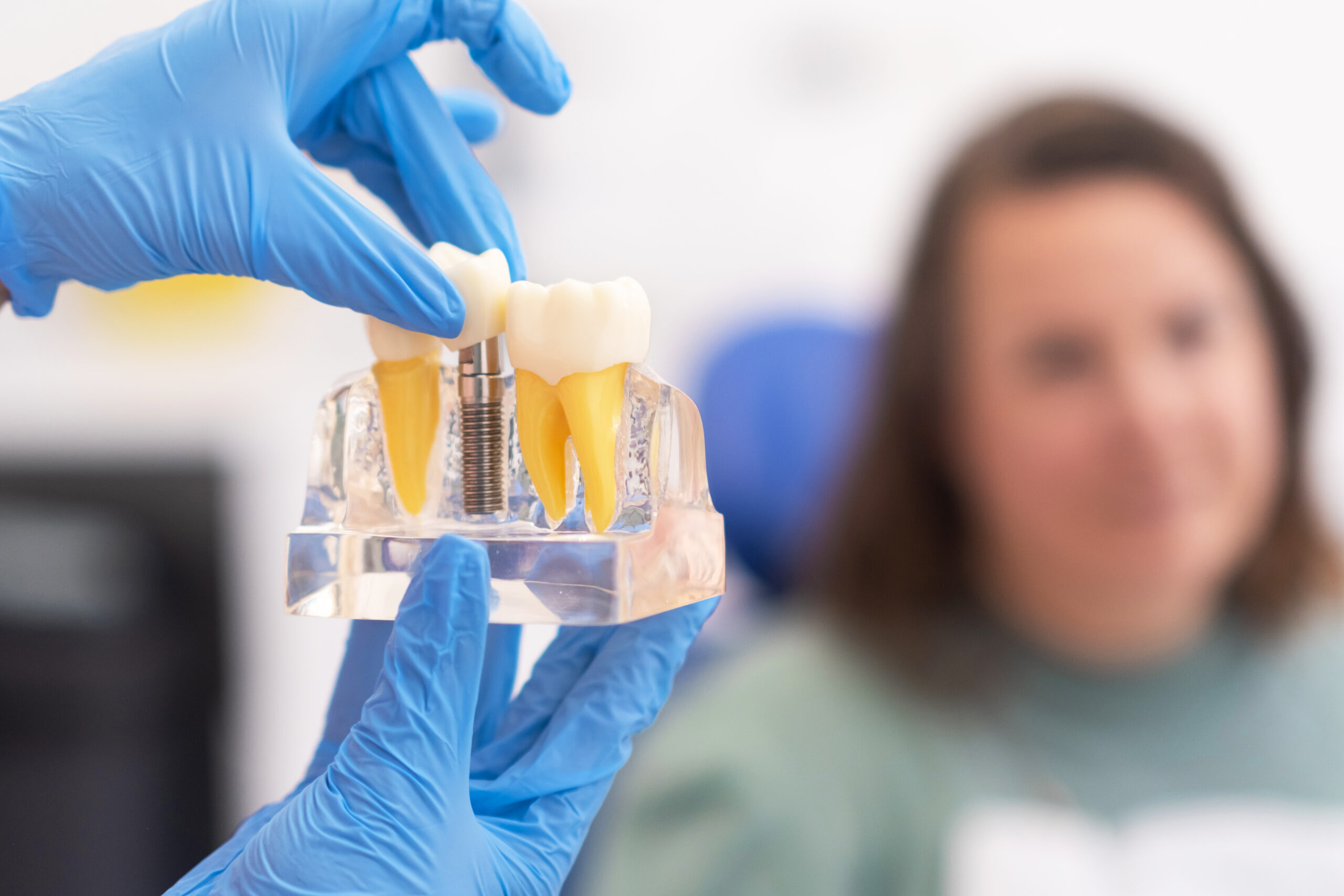
A complete implant consists of:
- A titanium post that replaces the root
- An abutment that connects the post to the crown
- A crown that restores the visible portion of the tooth
This structure allows implanted teeth to feel stable and natural.
Unlike other options, implants rely entirely on the jawbone for support. This is why bone quality is so important.
A qualified dentist evaluates this foundation before recommending dental implants.
Why Bone Health Matters for Implant Success
The success of a dental implant depends on a process called osseointegration. This is when the bone grows around the implant and secures it in place.
For this process to work effectively:
- The bone must be dense enough to support the implant
- The bone must be healthy and free from infection
- There must be sufficient volume to anchor the implant
If these conditions are not met, the implant may not stabilize properly.
Patients searching for a dentist near me often learn that bone quality plays a larger role than they expected.
What Happens to Your Jawbone After Tooth Loss
To understand why bone health matters, it is important to know what happens after a tooth is lost.
Teeth stimulate the jawbone through everyday activities such as chewing. When a tooth is removed or lost, that stimulation disappears.
As a result:
- The bone begins to shrink
- Density decreases over time
- The jaw may lose shape and structure
This process is known as bone resorption.
Bone loss can begin within months and continue gradually if the missing tooth is not replaced.
Patients who delay treatment often face more complex challenges when considering implant tooth placement later.
How Bone Density Affects Implant Stability
Bone density refers to the strength and compactness of the jawbone.
High Bone Density
- Provides strong support for the implant
- Improves stability
- Increases long-term success
Low Bone Density
- Reduces stability
- Increases the risk of implant failure
- May require additional procedures
A skilled dentist evaluates bone density through imaging and clinical assessment before recommending treatment.
Why Timing Matters More Than You Think
Timing is one of the most important factors in implant success.
When treatment is done early:
- Bone loss can be minimized
- The implant has a stronger foundation
- The procedure is often simpler
When treatment is delayed:
- Bone continues to deteriorate
- Additional procedures may be required
- Treatment becomes more complex
Patients searching for dentists in Phoenix often benefit from early evaluation to preserve bone health.
What Is Bone Grafting and When Is It Needed?
Bone grafting is a procedure used to rebuild or strengthen the jawbone.
It involves placing bone material in areas where bone has been lost.
This helps:
- Restore bone volume
- Create a stable base for implants
- Improve long-term outcomes
While the idea of an additional procedure may feel overwhelming, bone grafting is a common and effective part of implant dentistry.
A qualified dentist near me will recommend this step only when necessary to ensure the success of your dental implants.
Can You Get Dental Implants Without Enough Bone?
In some cases, implants can be placed without additional procedures. However, this depends on the condition of the bone.
If bone loss is significant:
- The implant may not integrate properly
- Stability may be compromised
- Long-term success may be reduced
This is why careful planning is essential.
A knowledgeable dentist will determine whether preparation is needed before placing dental implants.
Signs You May Be Experiencing Bone Loss
Bone loss is not always immediately noticeable, but certain signs may indicate changes in the jaw.
These include:
- A sunken appearance in the face
- Difficulty with dentures
- Changes in bite alignment
- Visible shrinkage of the jawline
If you notice any of these signs, it is important to consult a dentist near you for evaluation.
Benefits of Early Implant Treatment
Taking action early offers several advantages.
Preserves Bone Structure
Replacing a missing tooth helps maintain bone density.
Simplifies Treatment
Early intervention often reduces the need for additional procedures.
Improves Aesthetic Results
Maintaining bone supports natural facial structure.
Enhances Stability
Strong bone leads to better implant performance.
Patients who act early often experience smoother treatment and more predictable outcomes.
Addressing Common Patient Concerns
“Can I wait before getting an implant?”
Waiting increases the risk of bone loss and may complicate treatment.
“Do I really need a bone graft?”
If bone loss has occurred, grafting may be necessary to ensure stability.
“Is implant treatment safe?”
When performed by experienced dentists, implant procedures are safe and effective.
“Will the implant feel natural?”
Yes. Properly placed implants function like natural teeth.
Understanding these concerns helps patients feel more confident in their decisions.
The Role of Your Dentist in Implant Success
A qualified dentist plays a critical role in every stage of implant treatment.
This includes:
- Evaluating bone health
- Planning treatment
- Performing procedures
- Monitoring healing
Choosing the right provider ensures that your treatment is tailored to your needs.
Patients searching for a dentist near me benefit from selecting a provider who prioritizes long-term success.
Build a Strong Foundation for Your Smile With 7 North Dental
A dental implant is not just about replacing a missing tooth. It is about rebuilding a foundation that supports long-term oral health.
Bone health determines whether an implant will succeed and how long it will last.
Ignoring bone loss can lead to complications, while addressing it early creates the best possible outcome.
At 7 North Dental, every patient receives personalized care focused on both immediate results and long-term stability. From initial evaluation to final restoration, each step is designed to ensure that your implant tooth is supported by a strong and healthy foundation.
If you are considering dental implants or searching for a trusted dentist near me, now is the time to take action.
Call us at tel:6022300811 to schedule your consultation with 7 North Dental today and build a foundation for a healthier, stronger, and more confident smile.