Visit 7 North Dental Today Or Call: 602-230-0811

How Often Should I See a Dentist?
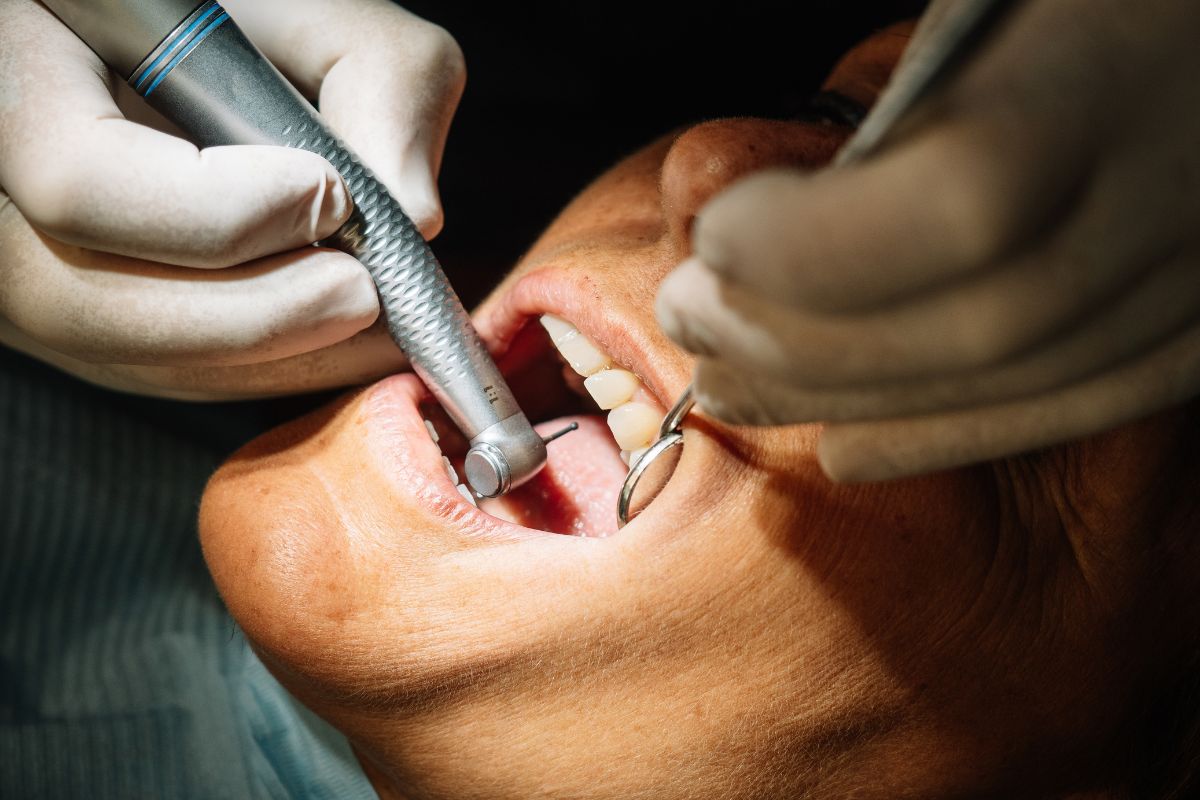
Most healthy adults should see a dentist every six months for a professional exam and cleaning. However, people with gum disease, frequent cavities, dry mouth, diabetes, or ongoing dental work may need visits every three to four months. Your dentist will recommend a personalized schedule based on your oral health history and risk factors.
Meet Your Dentist

Dr. Chadwick Brady believes dentistry is first and foremost about caring for people. While his strong scientific background guides his clinical precision, it’s his compassion and genuine connection with patients that truly define his approach. He takes time to listen, understand concerns, and create a comfortable, stress-free experience for every individual and family he serves.
Why Regular Dental Visits Matter
Routine visits to dentists are not just about keeping teeth clean; they are about protecting long-term health.
Professional exams help:
- Prevent cavities before they become painful or expensive
- Detect early signs of gum disease (gingivitis and periodontitis)
- Screen for oral cancer and abnormal tissue changes
- Maintain crowns, fillings, implants, and other restorations
- Remove hardened plaque (tartar) that brushing cannot eliminate
Tooth decay and gum disease often develop quietly. Many patients who search for a “dentist near me” do so only after pain begins. Unfortunately, pain usually signals a problem that has progressed.
Preventive visits allow dental teams to catch concerns early, when treatment is simpler, faster, and more affordable. Research consistently shows that patients who maintain regular preventive care experience fewer dental emergencies and lower lifetime dental costs.
Seeing a dentist routinely is a proactive health decision, not just a cosmetic one.
The Standard Recommendation: Every Six Months
The commonly recommended “every six months” schedule is widely supported across the dental profession. This baseline interval works well for many low-risk adults and children who:
- Maintain good daily oral hygiene
- Have no active gum disease
- Have few or no cavities
- Do not have complex dental restorations
The six-month interval allows dentists to monitor subtle changes in gum health, enamel strength, and bite alignment. It also keeps plaque and tartar from accumulating to damaging levels.
That said, six months is a guideline, not a rule in stone. Oral health is highly individual. Some patients may safely extend visits slightly longer, while others benefit significantly from more frequent cleanings.
A one-size-fits-all approach does not serve patients well. Personalized care is the gold standard in modern dentistry.
Who Needs More Frequent Visits?
Certain health and lifestyle factors increase the risk of dental disease. These patients often benefit from cleanings every three to four months rather than twice a year.
Below is a general guide:
| Condition | Typical Interval | Why |
|---|---|---|
| Active gum disease (periodontitis) | Every 3–4 months | Prevent bacteria from re-establishing and protect bone support |
| Heavy tartar buildup | Every 3–4 months | Faster plaque mineralization requires more frequent removal |
| Smoking or tobacco use | Every 3–4 months | Increased gum disease risk and delayed healing |
| Immunocompromised conditions | Every 3–4 months | Higher infection risk |
| History of frequent cavities | Every 4–6 months | Monitor enamel breakdown closely |
| Dry mouth (xerostomia) | Every 4–6 months | Saliva reduction increases cavity risk |
| Orthodontic treatment (braces/aligners) | Every 4–6 months | More plaque retention areas |
| Excellent oral hygiene, low risk | Every 6–12 months | Stable oral health and minimal buildup |
Patients with diabetes, heart conditions, or autoimmune disorders often require closer monitoring. Additionally, those with multiple crowns, bridges, or dental implants benefit from frequent professional maintenance.
If you are unsure about your risk level, scheduling an exam is the safest first step. A comprehensive evaluation allows a dentist to determine the ideal interval for your specific needs.
What Happens at a Routine Dental Visit?
A preventive appointment is more thorough than many people realize. During a standard visit, dentists and hygienists typically perform:
Comprehensive Exam
- Check teeth for cavities or fractures
- Evaluate gum pockets and inflammation
- Assess bite alignment
- Inspect existing restorations
Professional Cleaning (Prophylaxis)
- Remove plaque and hardened tartar
- Polish enamel surfaces
- Reduce stain buildup
Oral Cancer Screening
- Examine lips, tongue, cheeks, and throat tissues
- Identify abnormal lesions early
Digital X-Rays (When Needed)
- Detect decay between teeth
- Monitor bone levels
- Evaluate root health
Fluoride Treatment (If Recommended)
- Strengthen enamel
- Reduce cavity risk
Personalized Hygiene Coaching
- Brushing technique review
- Flossing adjustments
- Product recommendations tailored to your needs
Patients often underestimate how much preventive care protects overall wellness. Regular visits help preserve natural teeth for decades.
A Practical Schedule Decision Guide
If you are wondering how often to schedule your next visit, consider these simple decision points:
- Do you have bleeding gums? → Schedule sooner.
- Have you had a cavity in the last year? → Consider 4–6 months.
- Are you managing diabetes or immune conditions? → Discuss 3–4 months.
- Do you wear braces or aligners? → More frequent monitoring may help.
- Have you been over six months already? → It is time to book.
Waiting for pain is never recommended. Even if you feel fine, preventive care protects against hidden issues.
If you need to find a dentist, prioritize practices that emphasize preventive care, individualized treatment planning, and clear communication.
Cost & Insurance Expectations
Preventive dental visits are generally the most affordable type of dental care.
Most insurance plans cover:
- Two exams per year
- Two professional cleanings per year
- Routine X-rays at scheduled intervals
Co-pays vary depending on whether a provider is in-network or out-of-network. Preventive visits are typically far less expensive than restorative treatments such as crowns or root canals.
Delaying visits often increases long-term costs. A small cavity is far less expensive than advanced decay requiring complex procedures.
If you are searching for a dentist near me, ask about:
- Insurance acceptance
- Flexible payment plans
- Membership savings programs
- Transparent pricing policies
Financial clarity is part of quality patient care.
Practical Tips for Maintaining Your Schedule
Staying consistent with dental visits can be challenging. Consider these helpful strategies:
- Schedule your next appointment before leaving the office
- Set calendar reminders 5–6 months ahead
- Pair dental visits with another recurring health task
- Choose morning appointments to reduce cancellations
- Book for family members together
If you move or change providers, do not delay care. Take time to find a dentist who aligns with your expectations for comfort, communication, and preventive focus.
Consistency builds healthier habits and healthier smiles.
Ready to Schedule Your Next Checkup?
Regular visits to a trusted dentist are one of the simplest ways to protect your health and confidence. Preventive care today helps avoid complex treatment tomorrow.
If you are looking for comprehensive, patient-focused care, schedule your next checkup with the team at 7 North Dental. Whether you need routine maintenance or a personalized care plan, their experienced professionals are committed to long-term oral health.
Call us at 928-484-4948 to book your appointment today and stay ahead of dental problems before they start.