Visit 7 North Dental Today Or Call: 602-230-0811

Aesthetic Alignment: Cosmetic Dentistry’s Approach to Crooked Teeth

Crooked teeth. The term alone can conjure feelings of self-consciousness, a reluctance to smile fully, and perhaps even a touch of frustration. While traditional orthodontics like braces and clear aligners are the go-to solutions for achieving perfectly aligned teeth, many wonder if cosmetic dentistry can offer a quicker, less involved route to a more aesthetically pleasing smile, even with crookedness.
Like many things in dentistry, the answer isn’t a simple yes or no. Cosmetic dentistry can address the appearance of crooked teeth in various ways, often providing significant improvements in the overall look of your smile. However, it’s crucial to understand that cosmetic procedures primarily focus on enhancing the appearance of teeth rather than fundamentally altering their underlying position within the jawbone.
Think of it this way: Orthodontics aims to move the furniture (your teeth) within the room (your mouth) to create better spacing and alignment. On the other hand, cosmetic dentistry focuses on redecorating the existing furniture to make the room look more appealing, even if the furniture isn’t perfectly placed.
Cosmetic Dentistry’s Arsenal Against Crookedness:
Here are some ways cosmetic dentistry can address the aesthetic concerns associated with crooked teeth:
1. Porcelain Veneers: The Illusion of Straightness
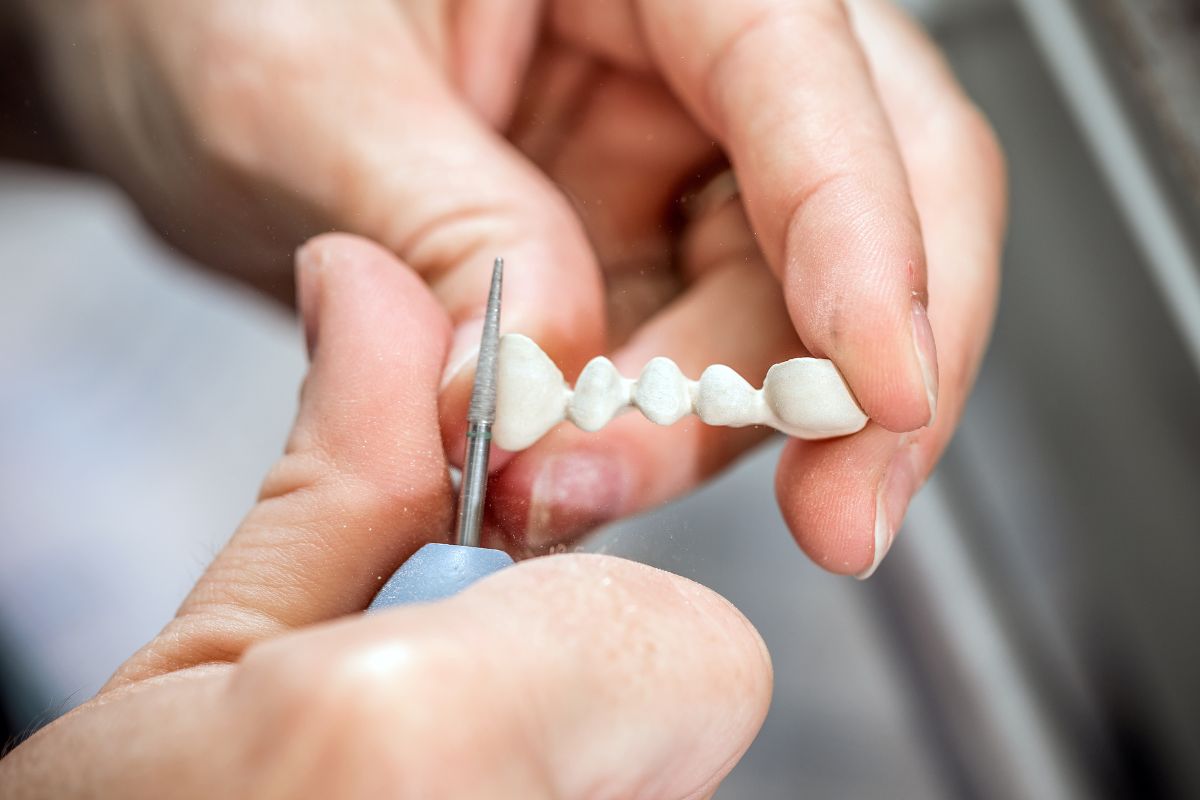
Veneers are thin, custom-made shells of tooth-colored porcelain bonded to the front surfaces of your teeth. They are a versatile cosmetic solution that can mask imperfections, including mildly to moderately crooked teeth.
- How they help: By carefully designing and placing veneers, dentists can create the illusion of a straighter, more uniform smile. They can correct minor rotations, close small gaps caused by misalignment, and even make slightly overlapping teeth appear more aligned. The veneers’ shape, size, and color can be customized to create a harmonious and aesthetically pleasing result.
- Considerations: Veneers require the removal of a thin layer of your natural tooth enamel to ensure proper bonding, making the procedure irreversible. While durable, veneers can chip or crack under excessive force. They are also a more significant investment compared to some other cosmetic options.
2. Dental Bonding: A More Conservative Approach
Dental bonding involves applying a tooth-colored resin material to the surface of your teeth and then shaping and hardening it with a special light. It’s a more conservative and often less expensive alternative to veneers, suitable for addressing minor crookedness, chips, cracks, and gaps.
- How it helps: Similar to veneers, bonding can reshape slightly misaligned teeth, making them appear straighter. It can also fill gaps caused by crookedness and create a more even tooth surface.
- Considerations: Bonding is less durable than porcelain veneers and more susceptible to staining, chipping, and wear. It’s best suited for minor cosmetic enhancements and may not be the ideal solution for significantly crooked teeth.
3. Dental Crowns: Reshaping Severely Compromised Teeth
Dental crowns are tooth-shaped caps that completely cover a damaged or misshapen tooth. While primarily used for restoring strength and function, crowns can also improve the appearance of severely crooked or malformed teeth.
- How they help: If a crooked tooth is significantly damaged, decayed, or misshapen, a crown can provide a new, aesthetically pleasing, and properly shaped surface. This can improve the overall alignment and uniformity of your smile.
- Considerations: Placing a crown requires more significant tooth preparation than veneers or bonding, involving the removal of a larger portion of the natural tooth structure.
Essential Distinctions: Cosmetic vs. Orthodontic Correction
It’s crucial to reiterate that cosmetic dentistry primarily addresses the appearance of crooked teeth. It doesn’t physically move the roots of your teeth or correct underlying bite issues. Orthodontic treatment, on the other hand, focuses on gradually shifting the teeth and their roots into proper alignment, addressing both aesthetic and functional concerns like bite problems.
When Might Cosmetic Dentistry Be a Suitable Option for Crooked Teeth?
Cosmetic dentistry might be a viable option for crooked teeth in the following scenarios:
- Minor Misalignment: If your teeth are only slightly crooked, rotated, or have small gaps, veneers or bonding can often significantly improve their appearance.
- Adults Seeking Faster Results: Cosmetic dentistry can offer a quicker route to a more aesthetically pleasing smile for adults who may be hesitant about the longer treatment times associated with traditional orthodontics.
- Combined Cosmetic Concerns: If you have other cosmetic issues alongside crookedness, such as staining, chipping, or uneven tooth size, veneers or bonding can address multiple concerns simultaneously.
- As a Complement to Orthodontics: In some cases, cosmetic dentistry might be used after orthodontic treatment to refine the final appearance of the smile, such as addressing minor shape or color discrepancies.
When Orthodontics is the Preferred Choice:
For more significant crookedness, bite problems (malocclusion), or when the goal is to achieve proper tooth alignment and improve overall oral function, orthodontics is the recommended treatment. This includes:
- Severely Crooked or Overlapping Teeth: Orthodontic appliances provide the necessary force to move teeth into their correct positions.
- Bite Issues (Overbite, Underbite, Crossbite): Orthodontics can correct these functional problems, which cosmetic dentistry cannot address.
- Children and Adolescents: Orthodontic treatment during growth and development can often achieve more significant and lasting results.
- Prioritizing Long-Term Alignment and Oral Health: Orthodontics aims for a stable and properly functioning bite, contributing to long-term oral health.
The Importance of a Comprehensive Consultation:
The best way to determine whether cosmetic dentistry can effectively address your crooked teeth is to schedule a consultation with a qualified cosmetic dentist. They will thoroughly examine your teeth, discuss your goals, and explain the available options, outlining each approach’s potential benefits and limitations.
In some cases, the dentist may recommend a consultation with an orthodontist to explore all possible solutions and ensure you choose the treatment that best meets your individual needs and desires.
Conclusion:
Cosmetic dentistry offers valuable solutions for improving the appearance of mildly to moderately crooked teeth through treatments like porcelain veneers and dental bonding. These procedures can create the illusion of a straighter smile, often with faster results than traditional orthodontics. However, it’s essential to understand that cosmetic dentistry focuses on aesthetics and does not fundamentally alter tooth position. For significant crookedness or bite problems, orthodontic treatment remains the gold standard. A comprehensive consultation with a dental professional is crucial to determine the most appropriate and effective path to achieving the smile you’ve always wanted.