Visit 7 North Dental Today Or Call: 602-230-0811

Ayurvedic Alternatives to Root Canal Treatment: What You Should Know
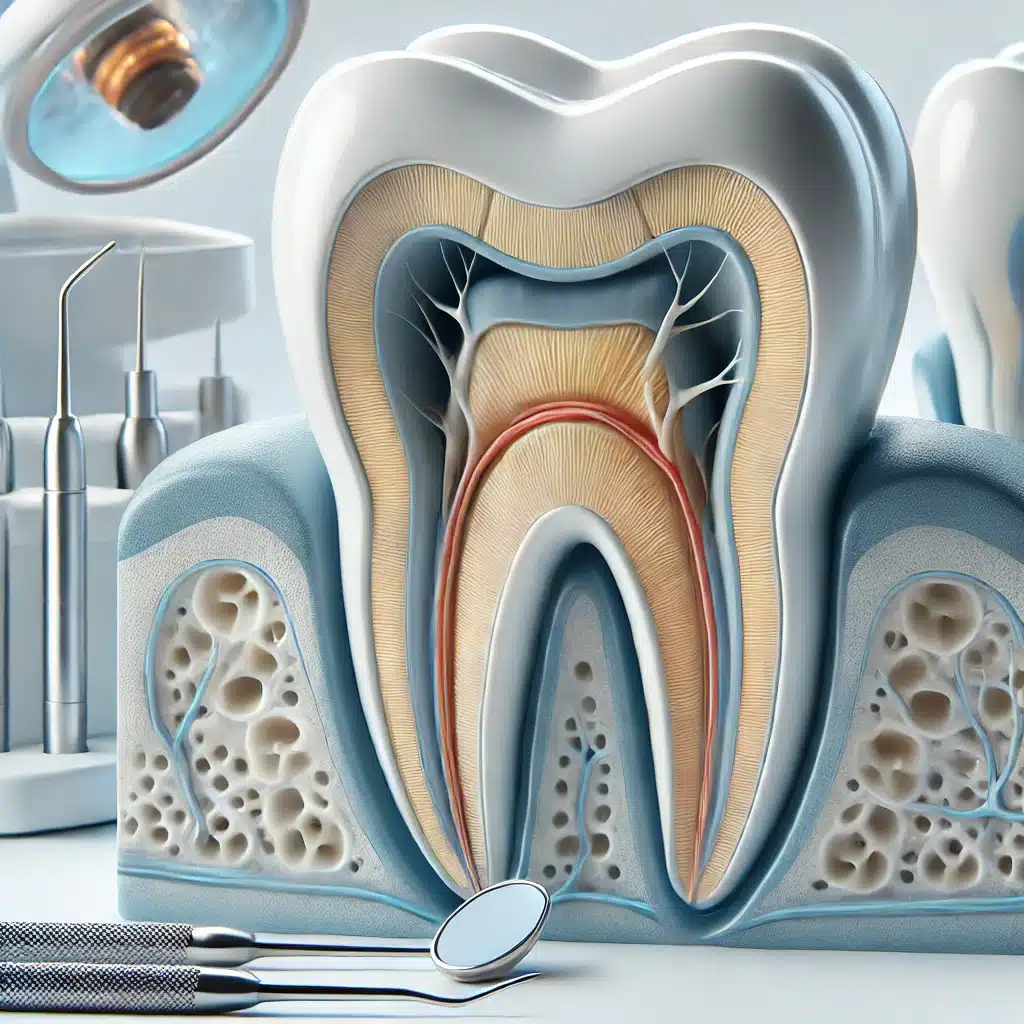
Your dentist recommended a root canal, but you are exploring other options. Now the question remains: are there any alternative treatments to root canal therapy?
A root canal procedure is one of the most established and effective dental treatments for saving a severely infected tooth. Also known as RCT dental treatment, it involves removing infected tissue from the inner pulp, disinfecting the area, and sealing the root canal of the tooth to prevent further infection. When performed on time, a root canal can relieve pain and preserve your natural tooth for years.
However, with growing interest in holistic and natural healing methods, many patients are now exploring Ayurvedic alternatives to root canal treatment. These remedies are often believed to help reduce inflammation, manage discomfort, or support oral health naturally. But can such approaches truly replace a root canal of a tooth, or do they only offer temporary relief?
In this blog, we’ll explore what Ayurveda can and cannot do for tooth infections, compare natural remedies with modern dental care, and help you understand when professional intervention is still the safest and most effective choice.
Is Ayurvedic Medicine Really a Substitute for Root Canal Treatment at The Dentist?
Ayurvedic medicine is a treatment based on holistic healing and natural remedies. Though it may have its advantages, like anti-inflammatory and general wellness, it does not possess the precise action to address the condition of severe infection in the teeth. In contrast, a root canal is a highly precise procedure that involves the exact removal of infected pulp and the cleaning and sealing of the tooth to avoid future complications. Ayurvedic treatments cannot go deep inside the tooth to remove the actual cause of the infection.
If you are considering root canal treatment in Phoenix, AZ, understanding why it is necessary becomes vital. The more time you spend delaying or avoiding it, the more severe the dental problem could become, potentially leading to more complex and costly treatments later on.
Science Behind the Treatment of a Root Canal: Demystifying Lies and Legends
Most people consider the root canal procedure as being complicated and painful; however, modern dental science has made the procedure very efficient and painless. An RCT dental treatment involves removing infected pulp, cleaning and disinfecting the inner area, and sealing the tooth to prevent future infections. The root canal is a treatment that directly addresses the source of infection, and the natural tooth is saved, while the bacteria responsible for the infection are destroyed and cannot spread to the other teeth.
On the other hand, though Ayurvedic treatments may provide natural pain relief and general oral health, they lack the clinical ability to penetrate deep within the tooth to remove infected tissue. If this is overlooked, an infection can worsen, leading to a risk of losing or extracting the tooth.
The Risks of Delaying Root Canal Treatment
Waiting too long for an infection in the tooth is risky because people wait for Ayurvedic or natural remedies. It can cause serious complications, which are as follows:
- Infection Spread: An untreated root infection will spread to the surrounding teeth and bone, which leads to severe dental complications.
- Aggravation of Condition: In most cases, infections of the teeth worsen the condition. Tooth pains become sharp, and patients develop swelling in the facial areas and rush to the emergency services.
- Treatment Cost Increases: As the time to seek treatment increases, the procedures may become more complicated and costlier to perform.
At 7 North Dental, Phoenix, AZ, a root canal directly attacks the tooth infection, leaving no room for dental issues to worsen.
More Expensive Treatment: A Better Option than the Conventional Treatments
Advanced root canal treatment is the least invasive, most reliable remedy for infections of the tooth pulp, while traditional remedies tend more to the management of the disease rather than curing in the long run. Also, root canal procedures done today with modern dental care can be very simple, as it usually takes a day to complete the operation, while applying different remedies in this case every day makes very little sense.
Advanced treatments are generally better alternatives for those people seeking comprehensive oral health to meet their pain-free smile over a reliance on Ayurveda or other natural replacements
Don’t Ignore the Signs of a Tooth Infection
If your tooth pain is constant, accompanied by swelling, or continues to worsen, it’s a sign that professional dental care is needed—and delaying treatment can put both your tooth and overall health at risk. While Ayurvedic remedies may help manage mild discomfort or support general oral wellness, they cannot eliminate deep-rooted tooth infections or replace the precision of modern dental treatment.
At 7 North Dental, our experienced Phoenix dentists focus on treating the root cause of infection with advanced, patient-focused root canal therapy. Using state-of-the-art technology and gentle techniques, we help relieve pain, stop infection from spreading, and preserve your natural tooth whenever possible.
Whether you’ve tried natural remedies or are unsure if a root canal is necessary, the right diagnosis makes all the difference. Don’t wait until the pain becomes unbearable. Schedule a consultation with 7 North Dental today and take the first step back toward a healthy, pain-free smile you can trust.
FAQs
Q. Are There Alternative Treatments for Root Canal Therapy?
A: Ayurvedic remedies like clove oil, turmeric, and neem may help reduce pain and inflammation temporarily, but they cannot remove infected pulp or stop the spread of a serious tooth infection. Root canal therapy is a proven, safe treatment that addresses the root cause and saves the natural tooth. Ayurveda can support overall oral health, but it should be used only as a complementary approach—not a replacement—for advanced dental care in severe infections.
Q. Isn’t it that Ayurveda can serve as an alternative replacement instead of the root canal?
A: Ayurvedic remedies can temporarily soothe the pain and inflammation, but they cannot remove infection deep in the tooth. In this case, a root canal remains the only sure treatment for advanced decay.
Q. Do the Ayurvedic herbs soothe dental pain?
A: Clove oil, turmeric, and neem are some of the most popular Ayurvedic herbs for their pain-relieving and anti-inflammatory attributes. However, they don’t alter the cause of infection.
Q. What can I do to avoid a root canal?
A: You can avoid the root canal by practicing preventive care, like visiting your dentist regularly, brushing your teeth, and flossing. But if you are experiencing symptoms of an infection, then you will have to get a root canal to ensure full treatment.
Q. Will a root canal hurt worse than using natural remedies?
A: With modern local anesthesia, a root canal procedure is no longer painful. In contrast, natural remedies do nothing more than mask pain, not alleviate it.
Q. Is there a natural way to heal a root canal?
A: No. There is no natural way to heal an infected tooth that requires a root canal. Natural remedies may ease pain temporarily, but only a root canal treatment can remove infection and save the tooth.
Q. How to repair a tooth cavity naturally?
A: Early enamel damage may be slowed with good oral hygiene and fluoride, but once a cavity forms, only professional dental treatment can fix it and prevent further decay.