Visit 7 North Dental Today Or Call: 602-230-0811

A Dentist’s Guide to Overcoming Dental Anxiety with Comfortable, Stress-Free Care
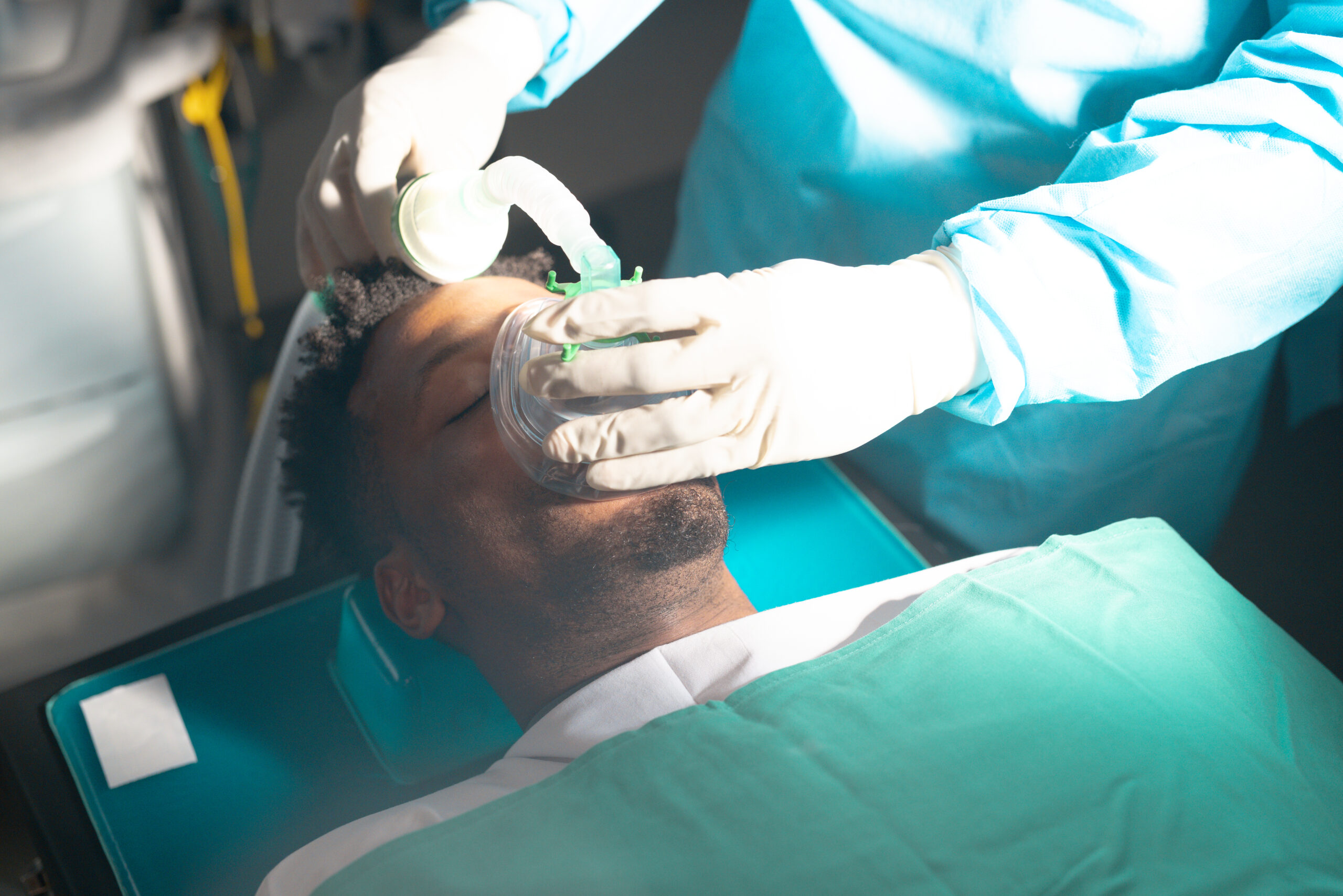
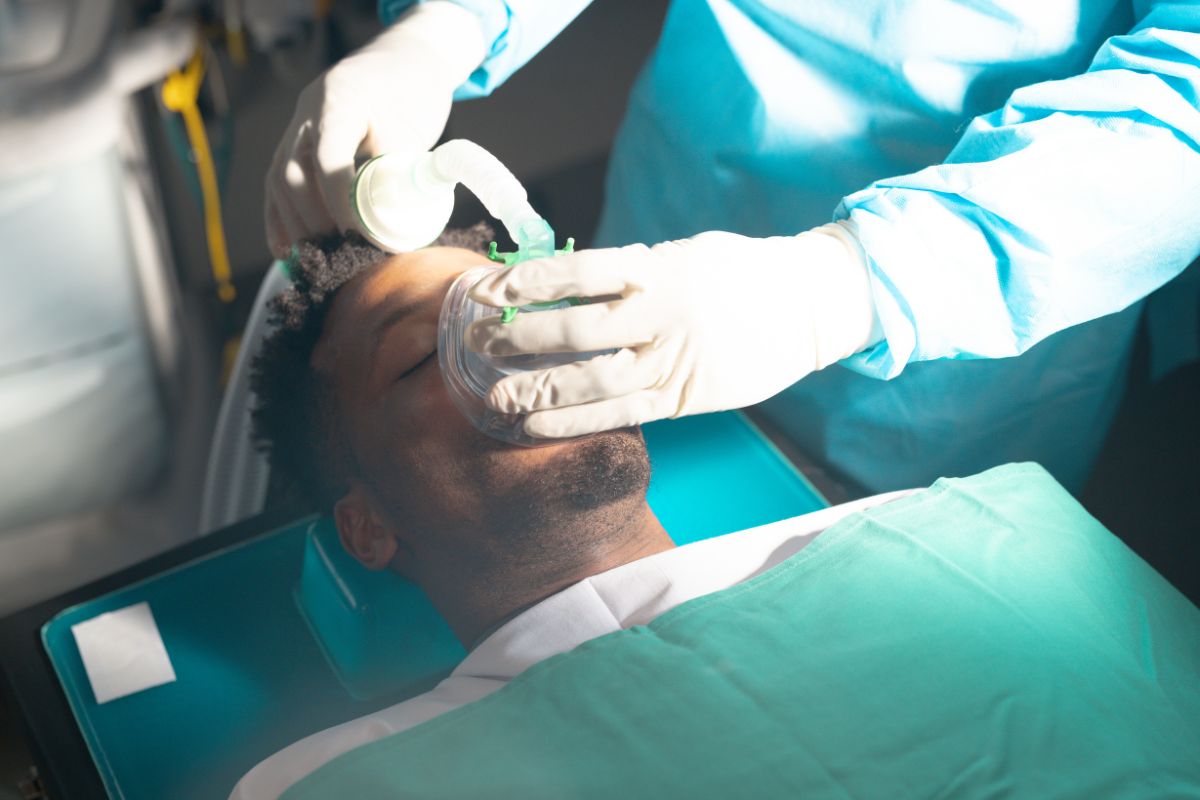
Delaying dental visits is more common than most people realize. Many individuals searching for a dentist near me often postpone appointments due to fear, discomfort, or past negative experiences. However, avoiding dental care can lead to more serious oral health problems over time, turning minor concerns into complex treatments.
From a professional standpoint, dentists consistently emphasize that oral health should never be compromised due to fear. Today’s advancements in sedation techniques and patient-centered care make it possible to receive treatment in a calm, comfortable, and supportive environment.
This guide outlines how a dentist approaches dental anxiety, the reasons behind it, and the solutions available to help patients regain confidence in their dental care.
Understanding Dental Anxiety and Dentophobia
Dental anxiety ranges from mild nervousness to severe fear, often referred to as dentophobia. Many patients avoid visiting a dentist entirely, even when experiencing pain or visible dental issues.
Common Causes of Dental Anxiety
| Cause | Explanation |
|---|---|
| Past negative experiences | Painful or uncomfortable past treatments |
| Fear of pain | Expectation of discomfort during procedures |
| Loss of control | Feeling vulnerable in the dental chair |
| Sensory triggers | Sounds, smells, or visuals associated with treatment |
| Fear of needles | Anxiety related to injections or anesthesia |
Why Dentists Address Anxiety Seriously
Experienced dentists understand that fear is real and valid. Ignoring it can lead to:
- Delayed diagnosis of dental problems
- Increased risk of cavities and gum disease
- More invasive treatments in the future
Modern dentistry focuses not just on treatment, but also on patient comfort and emotional well-being.
Why Avoiding the Dentist Can Harm Your Oral Health
Patients searching for a dentist near me often do so only when discomfort becomes unavoidable. Unfortunately, waiting too long can worsen oral health.
Risks of Delaying Dental Visits
- Small cavities are turning into root canal cases
- Gum inflammation progressing to periodontal disease
- Tooth sensitivity developing into chronic pain
- Increased treatment costs and complexity
Dentists consistently recommend early intervention to prevent complications and preserve natural teeth.
Common Dental Fears and How Dentists Help Overcome Them
Every patient experiences dental anxiety differently. Below are the most common fears and how modern dentists address them.
Fear 1: Pain During Treatment
Pain is one of the biggest reasons patients avoid the dentist. However, modern dentistry has significantly evolved.
How Dentists Ensure Comfort
- Use of advanced local anesthesia
- Availability of sedation dentistry options
- Minimally invasive treatment techniques
Sedation Options Explained
| Sedation Type | Description | Best For |
|---|---|---|
| Oral Sedation | Administered through the bloodstream | Mild to moderate anxiety |
| IV Sedation | Administered through bloodstream | Moderate to severe anxiety |
| Conscious Sedation | Relaxed but awake during treatment | General anxiety management |
These options allow patients to remain comfortable, relaxed, and pain-free throughout the procedure.
Fear 2: The Sound of Dental Instruments
The sound of drills and equipment can trigger anxiety for many patients.
Dentist-Recommended Solutions
- Listening to music or podcasts
- Using noise-canceling headphones
- Opting for conscious sedation to reduce awareness
A supportive dentist near me will always offer ways to make the environment less intimidating.
Fear 3: Needles and Injections
Fear of needles is extremely common and often prevents patients from seeking care.
How Dentists Address Needle Anxiety
- Use of numbing gels before injections
- Offering oral sedation to relax patients beforehand
- Providing IV sedation for deeper comfort
Many patients report minimal to no awareness of injections when sedation techniques are used effectively.
Fear 4: Medical Triggers (Blood, Smells, or Sensations)
Some individuals feel anxious due to visual or sensory triggers during dental procedures.
Dentist-Approved Approaches
- Sedation to reduce awareness
- Gentle communication throughout the procedure
- Creating a calm, controlled environment
Experienced dentists prioritize minimizing triggers while maintaining patient safety and comfort.
Sedation Dentistry: A Modern Solution for Anxiety-Free Care
Sedation dentistry has transformed the way patients experience dental care. It allows individuals to receive necessary treatment without fear or discomfort.
What Is Sedation Dentistry?
Sedation dentistry involves the use of medication to help patients relax during dental procedures. Unlike general anesthesia, most methods involve conscious sedation, meaning:
- Patients remain awake
- They can respond to instructions
- They feel calm and relaxed
Benefits of Sedation Dentistry
- Reduces anxiety and fear
- Minimizes discomfort and pain
- Makes longer procedures more manageable
- Helps patients with sensitive gag reflexes
- Encourages regular dental visits
A qualified dentist ensures that sedation is tailored to each patient’s medical history and comfort level.
Safety of Sedation Dentistry
One of the most common concerns patients have when searching for a dentist near me is whether sedation is safe.
How Dentists Ensure Safety
- Thorough medical history review
- Customized sedation plans
- Continuous monitoring of vital signs
- Use of clinically approved sedation medications
Key Safety Factors
| Safety Measure | Purpose |
|---|---|
| Vital sign monitoring | Tracks heart rate and oxygen levels |
| Controlled dosage | Ensures appropriate sedation level |
| Professional supervision | Maintains patient safety throughout |
With experienced dentists, sedation dentistry is both safe and highly effective.
What to Expect During a Sedation Dentistry Appointment
Understanding the process can help reduce anxiety.
Step-by-Step Overview
- Initial Consultation
- Discussion of fears and concerns
- Evaluation of oral health
- Selection of a suitable sedation option
- Before the Procedure
- Instructions based on sedation type
- Pre-medication if required
- During the Procedure
- Patient remains relaxed and comfortable
- Continuous monitoring by dental professionals
- After the Procedure
- Recovery period (varies by sedation type)
- Post-treatment care instructions
How Dentists Create a Comfortable Patient Experience
Beyond sedation, dentists focus on creating an environment that promotes trust and relaxation.
Key Elements of a Comfortable Dental Visit
- Friendly and empathetic staff
- Clear communication about procedures
- Patient-controlled pacing (breaks if needed)
- Clean and welcoming clinic environment
Patients searching for a dentist near me should prioritize clinics known for patient-centered care.
Who Can Benefit from Sedation Dentistry?
Sedation dentistry is not just for extreme cases, it benefits a wide range of patients.
Ideal Candidates
- Individuals with dental anxiety or fear
- Patients with low pain tolerance
- Those requiring multiple or complex procedures
- People with sensitive gag reflexes
- Patients who have avoided dental care for years
Long-Term Benefits of Overcoming Dental Anxiety
Facing dental fear can significantly improve both oral and overall health.
Benefits Highlighted by Dentists
- Early detection of dental issues
- Reduced need for invasive procedures
- Improved oral hygiene habits
- Enhanced confidence and quality of life
Taking the first step toward care often leads to lasting positive outcomes.
Practical Tips Dentists Recommend for Managing Anxiety
Even before considering sedation, patients can adopt simple strategies.
Quick Tips from Dentists
- Schedule morning appointments to reduce anticipation
- Practice deep breathing techniques
- Communicate fears openly with your dentist
- Bring a friend or family member for support
- Use distractions like music or podcasts
Choosing the Right Dentist for Anxiety-Free Care
Finding the right provider is essential for a positive experience.
What to Look for in a Dentist
| Factor | Why It Matters |
|---|---|
| Experience with sedation | Ensures safe and effective care |
| Patient reviews | Reflect real experiences |
| Range of services | Offers comprehensive treatment |
| Communication style | Builds trust and comfort |
| Modern technology | Enhances precision and comfort |
Searching for a reliable dentist near me should include evaluating these factors.
A Dentist’s Recommendation for Fear-Free Dental Care
Avoiding dental visits due to fear is more common than many realize but it does not have to continue. With advancements in sedation dentistry and a patient-focused approach, dentists are now better equipped than ever to provide comfortable, stress-free care.
Addressing dental anxiety is not just about easing fear, it is about protecting long-term oral health, preventing complications, and restoring confidence.
For individuals seeking a compassionate and experienced dentist near me, choosing a clinic that prioritizes comfort, safety, and personalized care is essential. Clinics like 7 North Dental are dedicated to helping patients overcome fear through advanced sedation options, modern technology, and a supportive environment. Call us to book an anxiety-free consultation.
With the right guidance from skilled dentists, dental visits can transform from a source of anxiety into a positive, empowering experience, ensuring a healthier smile for years to come.
FAQs
Q. What is dental anxiety?
A: Dental anxiety is the fear or stress associated with visiting a dentist, often caused by past experiences, pain concerns, or loss of control.
Q. What is sedation dentistry?
A: Sedation dentistry uses medication to help patients relax during procedures while remaining awake and comfortable.
Q. Is sedation dentistry safe?
A: Yes. Experienced dentists carefully monitor patients and use controlled doses, making sedation dentistry safe and effective.
Q. Who should consider sedation dentistry?
A: Patients with dental fear, low pain tolerance, sensitive gag reflex, or those needing lengthy treatments can benefit from sedation.
Q. Will I be asleep during sedation dentistry?
A: No. Most methods involve conscious sedation, meaning you stay awake but feel calm and relaxed.